
基于体素形态计量学的独居饲养 Wistar-Kyoto 大鼠作为抑郁动物模型的验证。
Validation of Wistar-Kyoto rats kept in solitary housing as an animal model for depression using voxel-based morphometry.
机构信息
Department of Psychiatry, Graduate School of Medical Science, Kyoto Prefectural University of Medicine, 465 Kajii-cho, Kamigyo-ku, Kyoto, 602-8566, Japan.
Kyoto Prefectural Rehabilitation Hospital for Mentally and Physically Disabled, Naka Ashihara, Johyo, Kyoto, 610-0113, Japan.
出版信息
Sci Rep. 2024 Feb 13;14(1):3601. doi: 10.1038/s41598-024-53103-2.
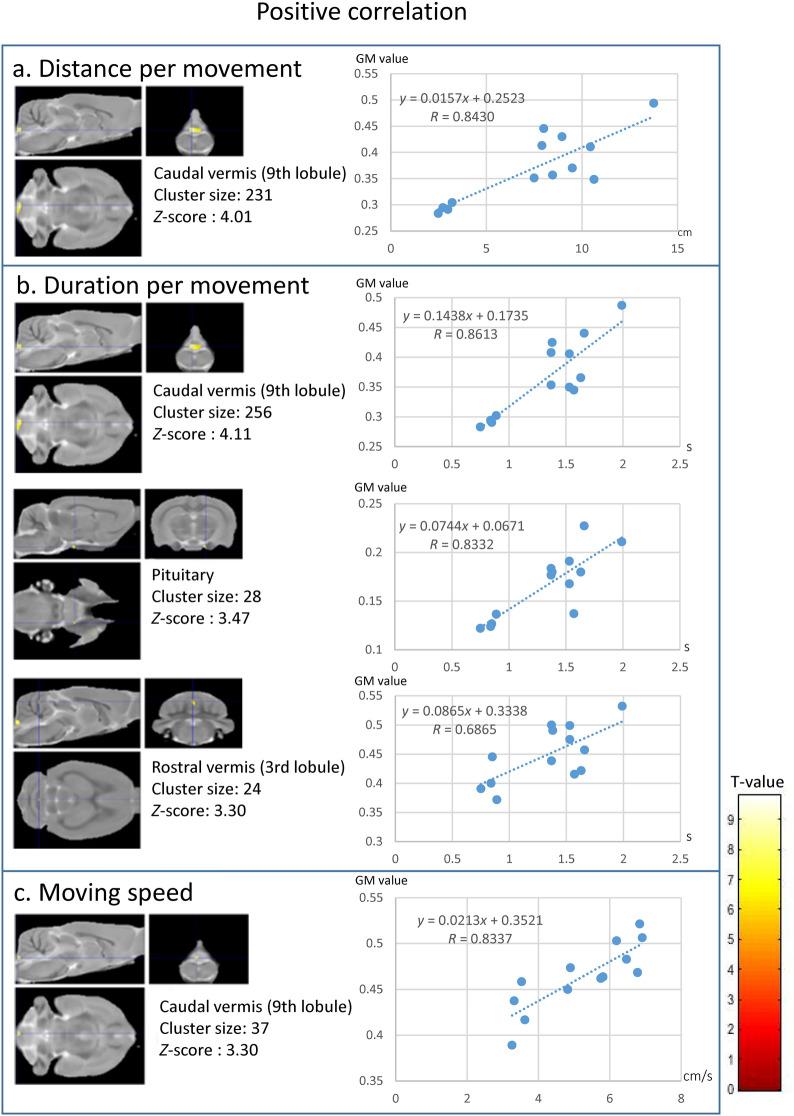
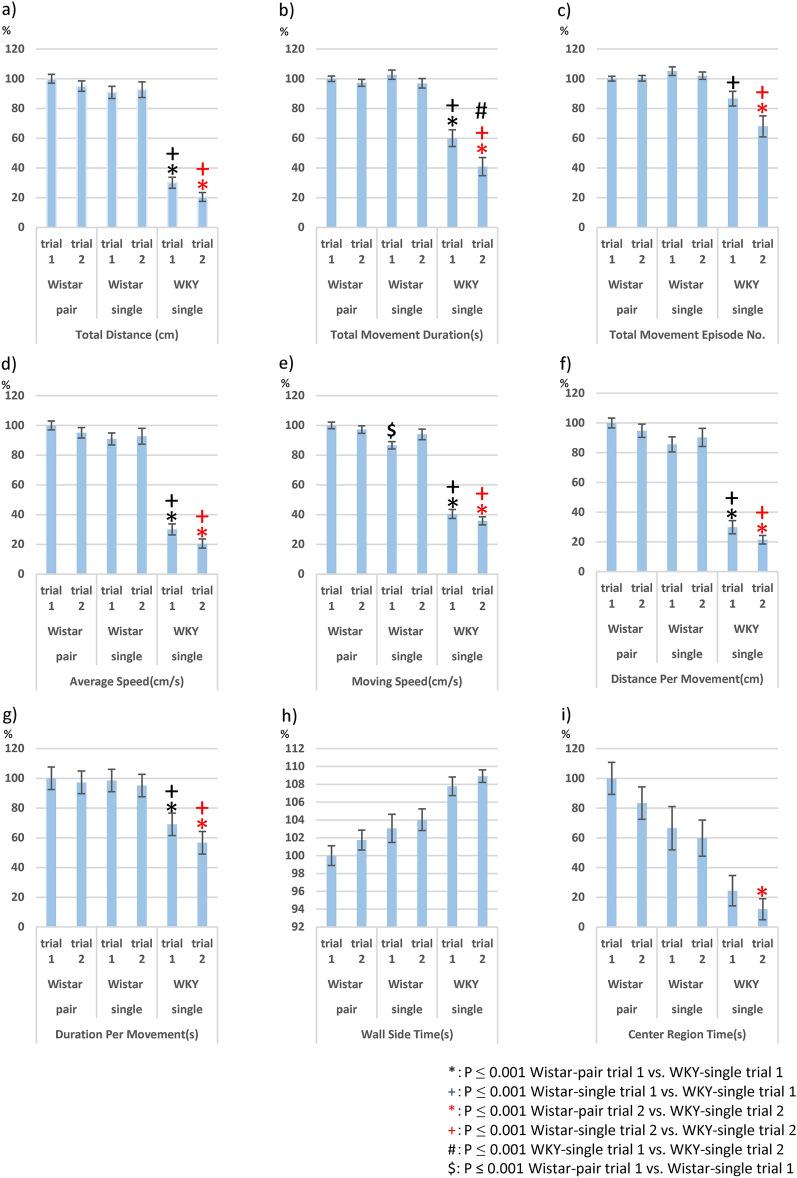
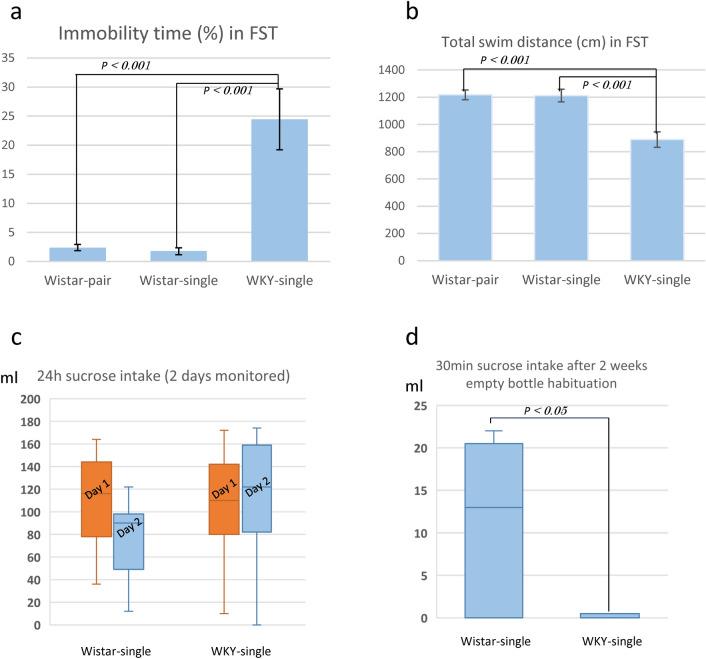
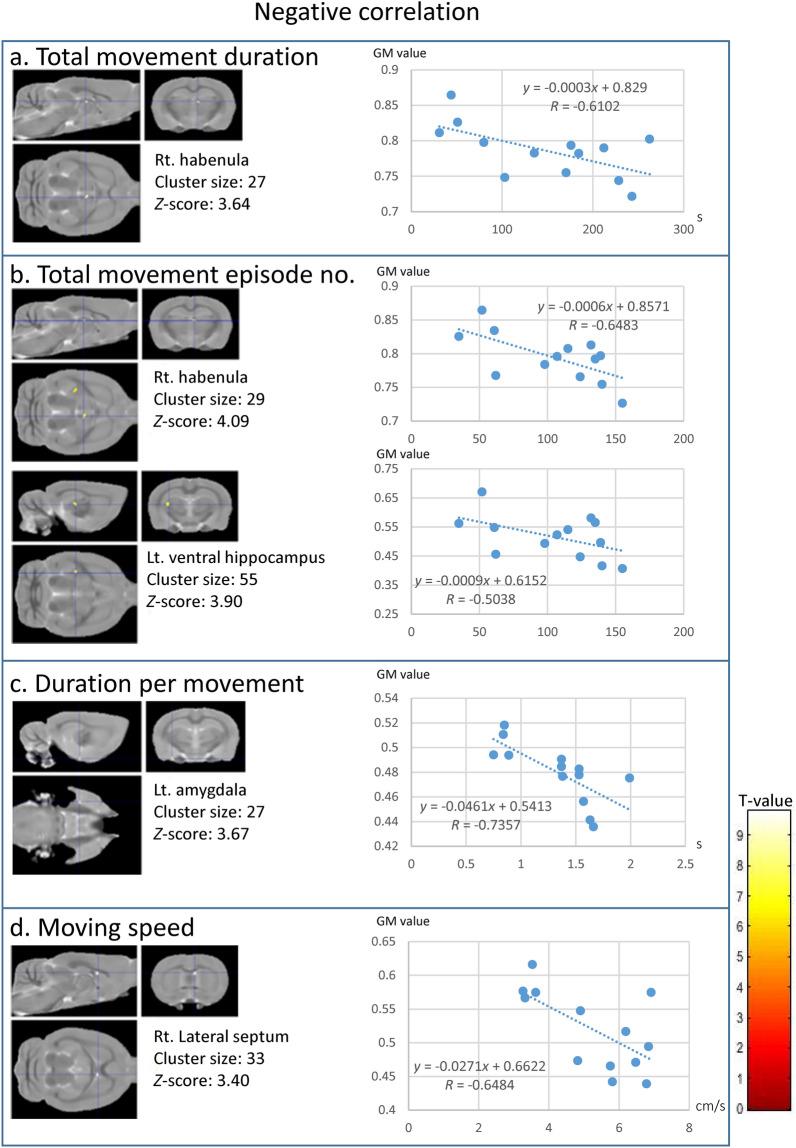
Major depressive disorder is a common psychiatric condition often resistant to medication. The Wistar-Kyoto (WKY) rat has been suggested as an animal model of depression; however, it is still challenging to translate results from animal models into humans. Solitary housing is a mild stress paradigm that can simulate the environment of depressive patients with limited social activity due to symptoms. We used voxel-based morphometry to associate the solitary-housed WKY (sWKY) rat model with data from previous human studies and validated our results with behavioural studies. As a result, atrophy in sWKY rats was detected in the ventral hippocampus, caudate putamen, lateral septum, cerebellar vermis, and cerebellar nuclei (p < 0.05, corrected for family-wise error rate). Locomotor behaviour was negatively correlated with habenula volume and positively correlated with atrophy of the cerebellar vermis. In addition, sWKY rats showed depletion of sucrose consumption not after reward habituation but without reward habituation. Although the application of sWKY rats in a study of anhedonia might be limited, we observed some similarities between the regions of brain atrophy in sWKY rats and humans with depression, supporting the translation of sWKY rat studies to humans.
重度抑郁症是一种常见的精神疾病,通常对药物治疗有抵抗力。Wistar-Kyoto(WKY)大鼠已被提议作为抑郁症的动物模型;然而,将动物模型的结果转化为人类仍然具有挑战性。独居是一种轻度应激范式,由于症状的限制,它可以模拟社交活动有限的抑郁患者的环境。我们使用体素形态计量学将独居的 WKY(sWKY)大鼠模型与之前的人类研究数据相关联,并通过行为研究验证了我们的结果。结果表明,sWKY 大鼠的腹侧海马体、尾状核、外侧隔核、小脑蚓部和小脑核(p < 0.05,经家族错误率校正)出现萎缩。运动行为与缰核体积呈负相关,与小脑蚓部萎缩呈正相关。此外,sWKY 大鼠在没有奖励习惯化的情况下而不是在奖励习惯化后表现出蔗糖消耗减少。尽管 sWKY 大鼠在快感缺失研究中的应用可能受到限制,但我们观察到 sWKY 大鼠脑萎缩区域与抑郁症人类之间存在一些相似之处,支持将 sWKY 大鼠研究转化为人类。

 Zotero 插件