
雾霾中气态成分和颗粒物的内分泌毒性综合评价
A comprehensive review on endocrine toxicity of gaseous components and particulate matter in smog.
机构信息
Department of Pharmacology, Faculty of Pharmaceutical Sciences, Government College University Faisalabad, Faisalabad, Pakistan.
Department of Pharmacy, The Women University Multan, Multan, Pakistan.
出版信息
Front Endocrinol (Lausanne). 2024 Jan 30;15:1294205. doi: 10.3389/fendo.2024.1294205. eCollection 2024.
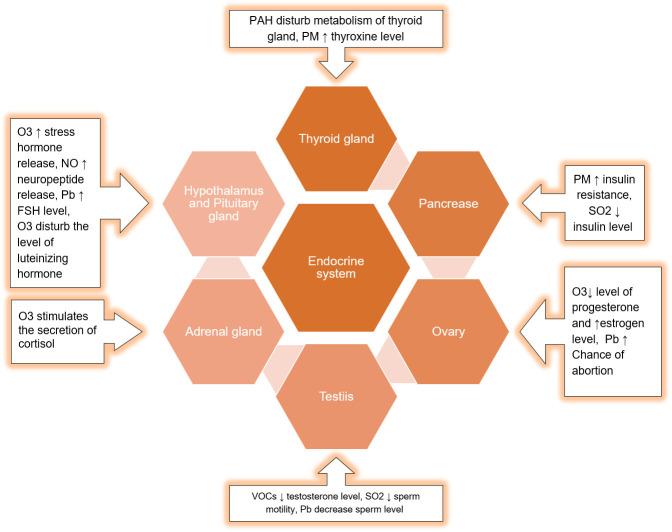
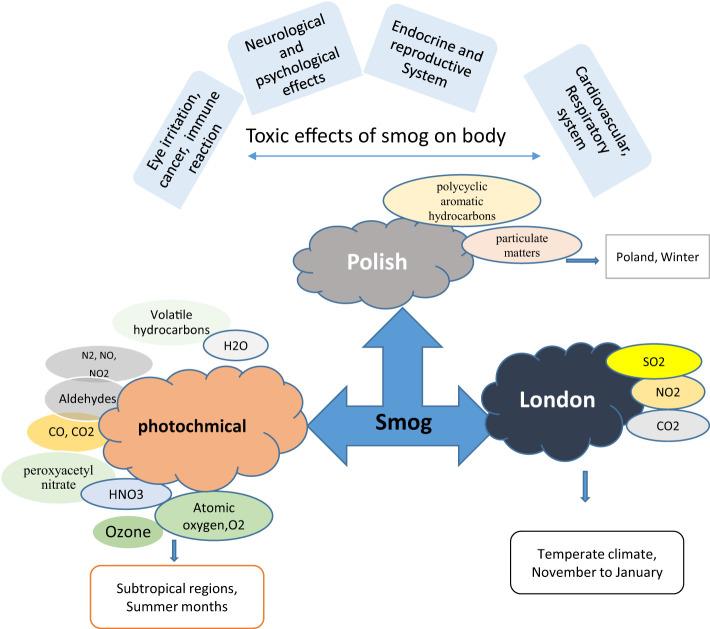
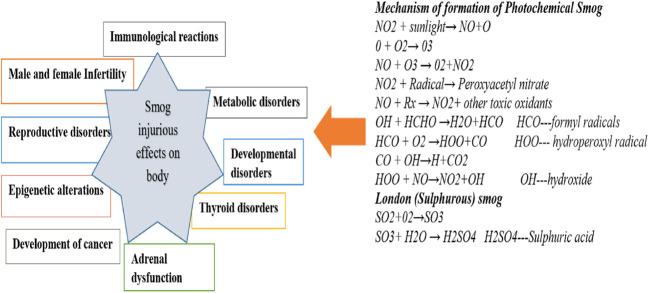
Smog is a form of extreme air pollution which comprises of gases such as ozone, sulfur dioxide, nitrogen and carbon oxides, and solid particles including particulate matter (PM and PM). Different types of smog include acidic, photochemical, and Polish. Smog and its constituents are hazardaous to human, animals, and plants. Smog leads to plethora of morbidities such as cancer, endocrine disruption, and respiratory and cardiovascular disorders. Smog components alter the activity of various hormones including thyroid, pituitary, gonads and adrenal hormones by altering regulatory genes, oxidation status and the hypothalamus-pituitary axis. Furthermore, these toxicants are responsible for the development of metabolic disorders, teratogenicity, insulin resistance, infertility, and carcinogenicity of endocrine glands. Avoiding fossil fuel, using renewable sources of energy, and limiting gaseous discharge from industries can be helpful to avoid endocrine disruption and other toxicities of smog. This review focuses on the toxic implications of smog and its constituents on endocrine system, their toxicodynamics and preventive measures to avoid hazardous health effects.
雾霾是一种极端空气污染形式,由臭氧、二氧化硫、氮氧化物和碳氧化物等气体以及包括颗粒物(PM 和 PM)在内的固体颗粒组成。不同类型的雾霾包括酸性、光化学和波兰型。雾霾及其成分对人类、动物和植物都有危害。雾霾会导致多种疾病,如癌症、内分泌紊乱以及呼吸道和心血管疾病。雾霾成分通过改变调节基因、氧化状态和下丘脑-垂体轴来改变各种激素(包括甲状腺、垂体、性腺和肾上腺激素)的活性。此外,这些有毒物质是导致代谢紊乱、致畸性、胰岛素抵抗、不孕和内分泌腺致癌的原因。避免使用化石燃料、使用可再生能源以及限制工业气体排放有助于避免内分泌紊乱和其他雾霾的毒性。本综述重点讨论了雾霾及其成分对内分泌系统的毒性影响、它们的毒代动力学以及预防有害健康影响的措施。

 Zotero 插件