
桥脑表达 NPS 神经元在睡眠调节中的多样作用。
Diverse roles of pontine NPS-expressing neurons in sleep regulation.
机构信息
Department of Neurology, University of California San Francisco, San Francisco, CA 94143.
Zhongshan Institute for Drug Discovery, Shanghai Institute of Materia Medica, Chinese Academy of Sciences, Zhongshan 528400, China.
出版信息
Proc Natl Acad Sci U S A. 2024 Feb 27;121(9):e2320276121. doi: 10.1073/pnas.2320276121. Epub 2024 Feb 21.
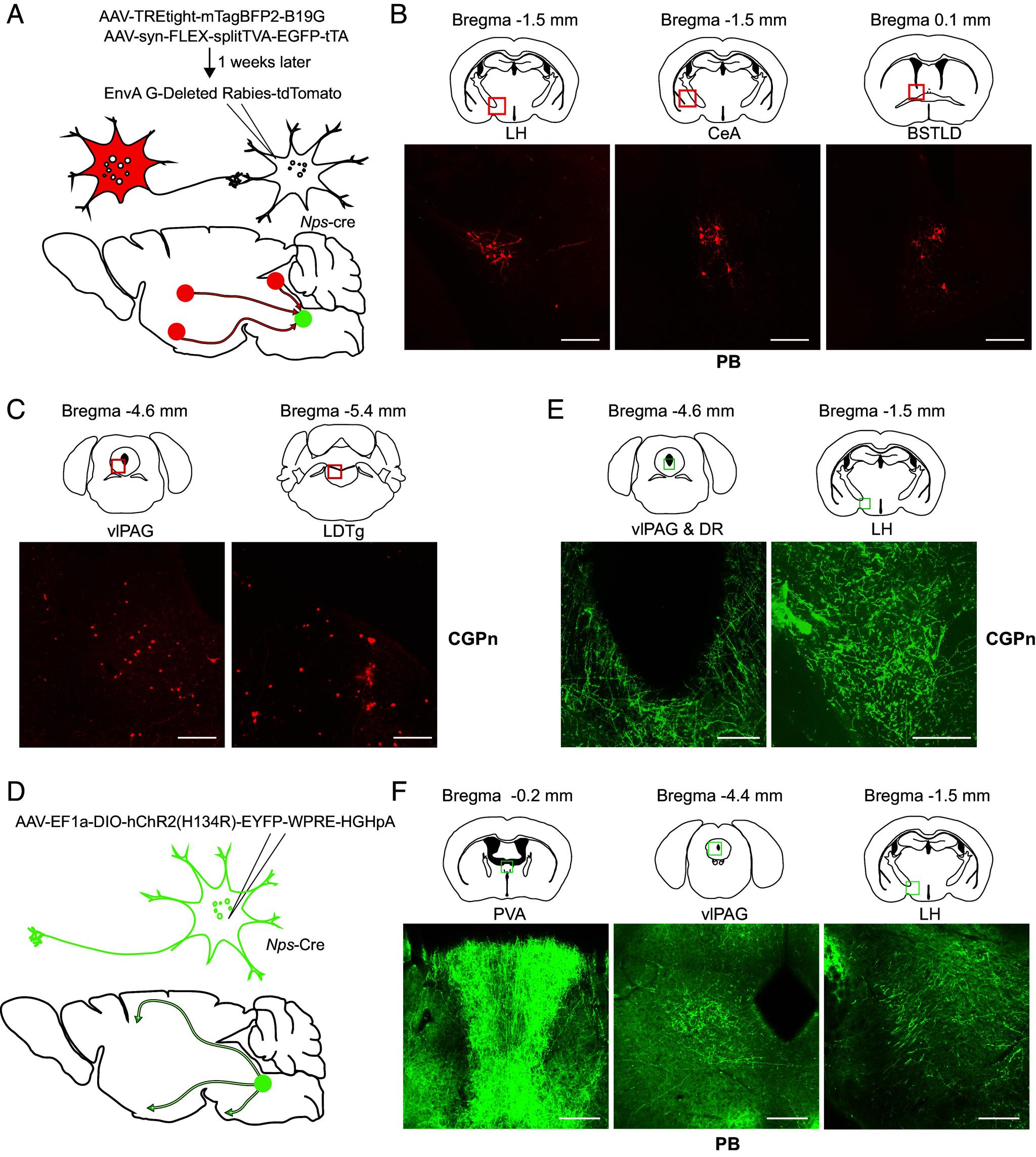
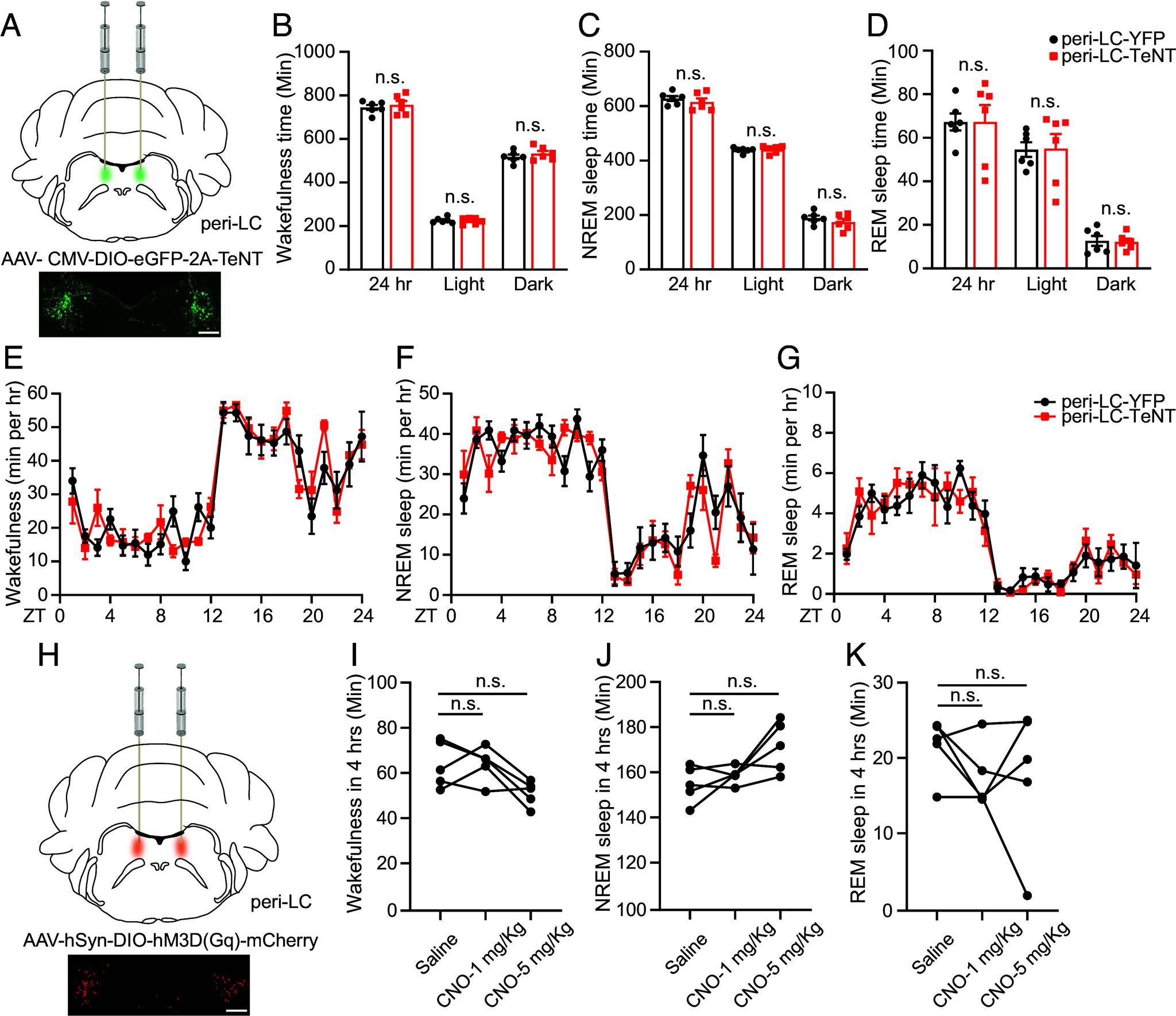
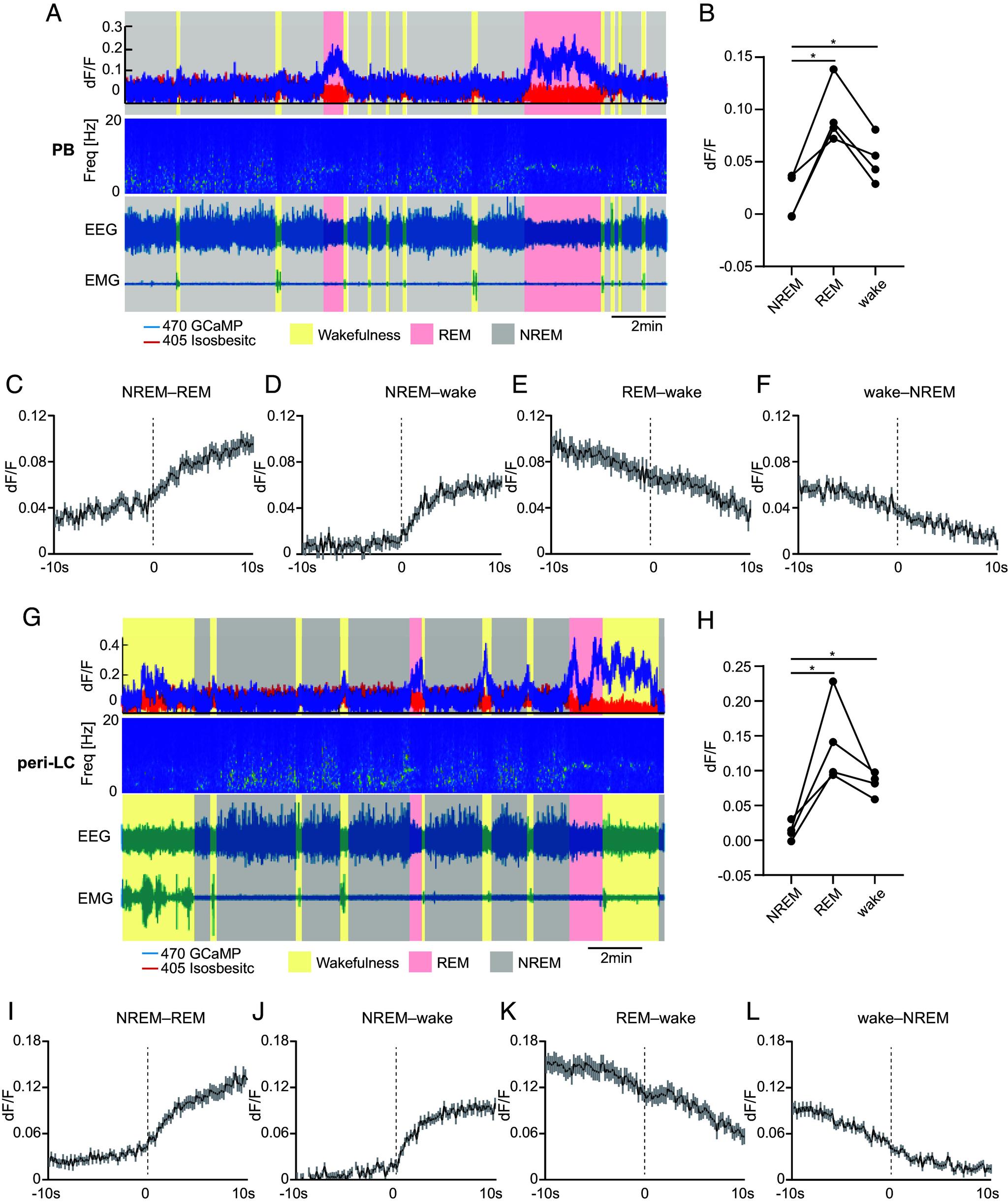
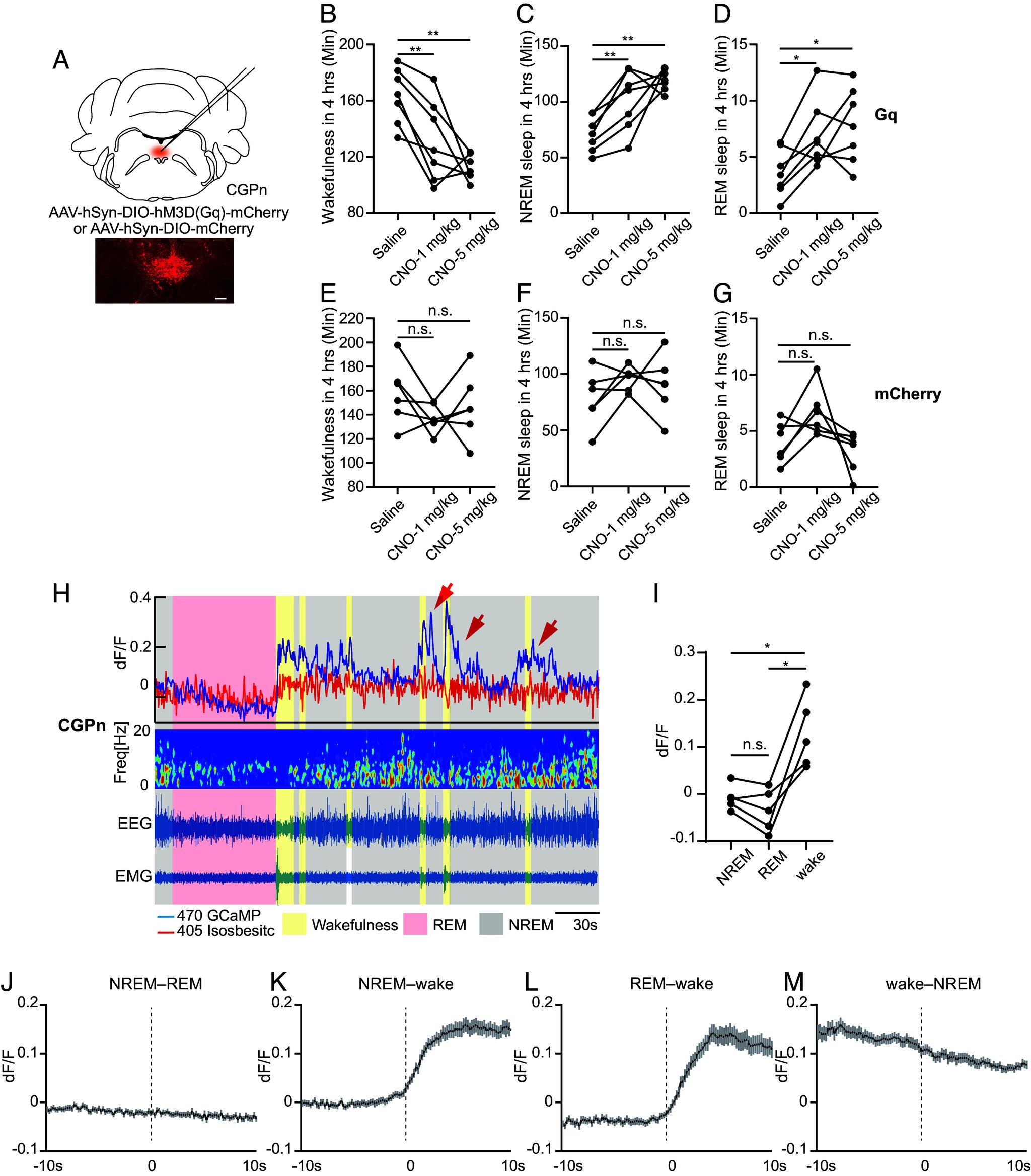
Neuropeptide S (NPS) was postulated to be a wake-promoting neuropeptide with unknown mechanism, and a mutation in its receptor (NPSR1) causes the short sleep duration trait in humans. We investigated the role of different NPS nuclei in sleep/wake regulation. Loss-of-function and chemogenetic studies revealed that NPS neurons in the parabrachial nucleus (PB) are wake-promoting, whereas peri-locus coeruleus (peri-LC) NPS neurons are not important for sleep/wake modulation. Further, we found that a NPS nucleus in the central gray of the pons (CGPn) strongly promotes sleep. Fiber photometry recordings showed that NPS neurons are wake-active in the CGPn and wake/REM-sleep active in the PB and peri-LC. Blocking NPS-NPSR1 signaling or knockdown of supported the function of the NPS-NPSR1 pathway in sleep/wake regulation. Together, these results reveal that NPS and NPS neurons play dichotomous roles in sleep/wake regulation at both the molecular and circuit levels.
神经肽 S(NPS)被假定为一种具有未知机制的促醒神经肽,其受体(NPSR1)的突变导致人类睡眠时间缩短。我们研究了不同 NPS 核在睡眠/觉醒调节中的作用。功能丧失和化学遗传学研究表明,臂旁核(PB)中的 NPS 神经元具有促醒作用,而蓝斑周围(peri-LC)的 NPS 神经元对睡眠/觉醒调节不重要。此外,我们发现桥脑中央灰色核(CGPn)中的一个 NPS 核强烈促进睡眠。光纤光度记录显示,CGPn 中的 NPS 神经元在觉醒时活跃,而 PB 和 peri-LC 中的 NPS 神经元在觉醒/快速眼动睡眠时活跃。阻断 NPS-NPSR1 信号或敲低支持 NPS-NPSR1 通路在睡眠/觉醒调节中的作用。总之,这些结果表明,NPS 和 NPS 神经元在分子和回路水平上对睡眠/觉醒调节起着双重作用。


 Zotero 插件