
牙髓组织来源的间充质基质细胞:免疫调节特性和临床潜能。
Mesenchymal Stromal Cells Derived from Dental Tissues: Immunomodulatory Properties and Clinical Potential.
机构信息
Mesenchymal Stem Cell Laboratory, Oncology Research Unit, Oncology Hospital, National Medical Center (IMSS), Mexico City 06720, Mexico.
Immunology and Stem Cells Laboratory, FES Zaragoza, National Autonomous University of Mexico (UNAM), Mexico City 09230, Mexico.
出版信息
Int J Mol Sci. 2024 Feb 6;25(4):1986. doi: 10.3390/ijms25041986.
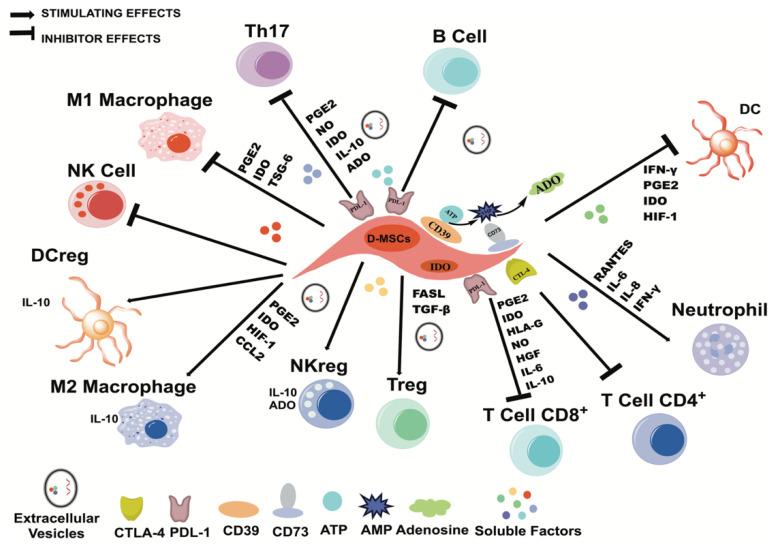
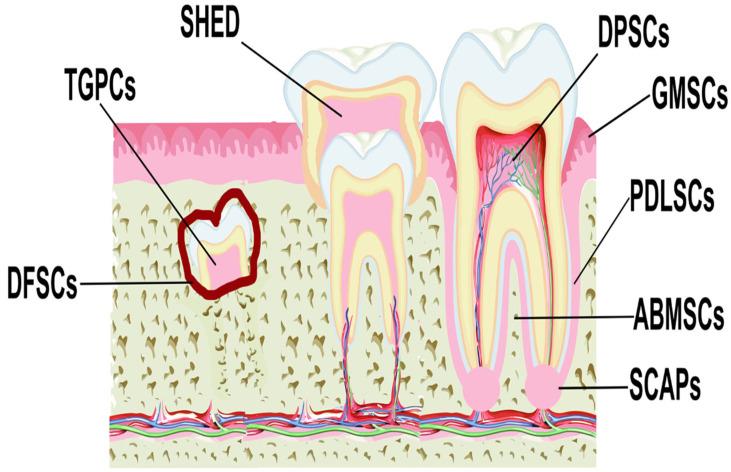
Mesenchymal stem/stromal cells (MSCs) are multipotent cells located in different areas of the human body. The oral cavity is considered a potential source of MSCs because they have been identified in several dental tissues (D-MSCs). Clinical trials in which cells from these sources were used have shown that they are effective and safe as treatments for tissue regeneration. Importantly, immunoregulatory capacity has been observed in all of these populations; however, this function may vary among the different types of MSCs. Since this property is of clinical interest for cell therapy protocols, it is relevant to analyze the differences in immunoregulatory capacity, as well as the mechanisms used by each type of MSC. Interestingly, D-MSCs are the most suitable source for regenerating mineralized tissues in the oral region. Furthermore, the clinical potential of D-MSCs is supported due to their adequate capacity for proliferation, migration, and differentiation. There is also evidence for their potential application in protocols against autoimmune diseases and other inflammatory conditions due to their immunosuppressive capacity. Therefore, in this review, the immunoregulatory mechanisms identified at the preclinical level in combination with the different types of MSCs found in dental tissues are described, in addition to a description of the clinical trials in which MSCs from these sources have been applied.
间充质干细胞(MSCs)是位于人体不同部位的多能细胞。口腔被认为是 MSCs 的潜在来源,因为已经在几种牙齿组织(D-MSCs)中鉴定出了它们的存在。使用这些来源的细胞进行的临床试验表明,它们作为组织再生的治疗方法是有效且安全的。重要的是,所有这些群体都表现出免疫调节能力;然而,这种功能可能在不同类型的 MSCs 之间有所不同。由于这种特性对细胞治疗方案具有临床意义,因此分析免疫调节能力的差异以及每种 MSC 所使用的机制是很重要的。有趣的是,D-MSCs 是口腔区域再生矿化组织的最佳来源。此外,由于其增殖、迁移和分化的能力适当,D-MSCs 的临床潜力得到了支持。由于其免疫抑制能力,也有证据表明它们可能适用于针对自身免疫性疾病和其他炎症性疾病的方案。因此,在这篇综述中,除了描述这些来源的 MSCs 已应用于临床试验的情况外,还描述了在临床前水平上确定的与牙齿组织中发现的不同类型的 MSCs 相关的免疫调节机制。
 Zotero 插件