
一种使用确定性 2 箱模型估算室内喷雾过程释放的物质的空气浓度的通用方法。
A generic approach to estimate airborne concentrations of substances released by indoor spray processes using a deterministic 2-box model.
机构信息
Fraunhofer Institute for Toxicology and Experimental Medicine (ITEM), Hannover, Germany.
Unit 4.I.4 Exposure Assessment, Exposure Science, Division 4 Hazardous Substances and Biological Agents, Federal Institute for Occupational Safety and Health (BAuA), Dortmund, Germany.
出版信息
Front Public Health. 2024 Feb 9;12:1329096. doi: 10.3389/fpubh.2024.1329096. eCollection 2024.
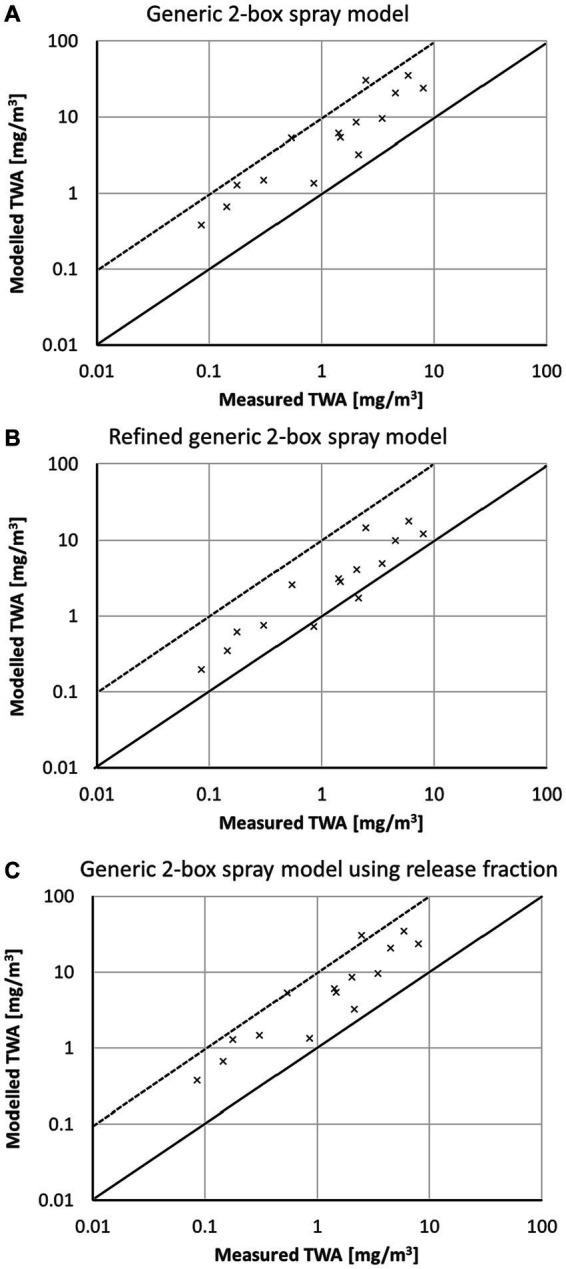
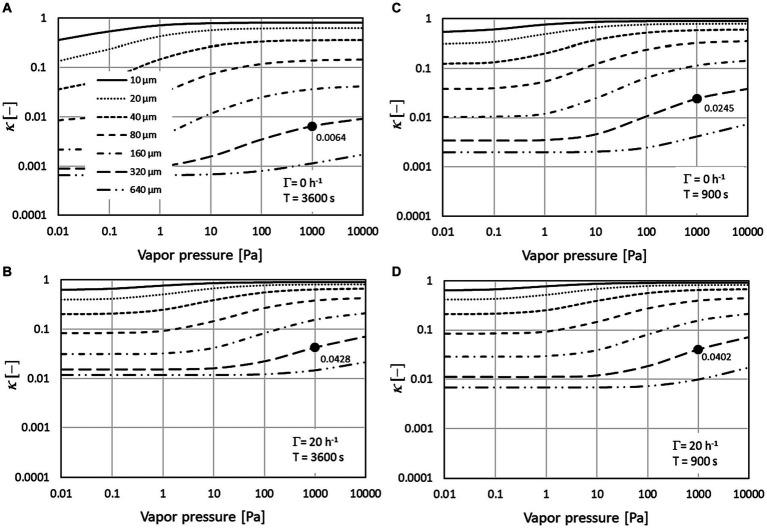
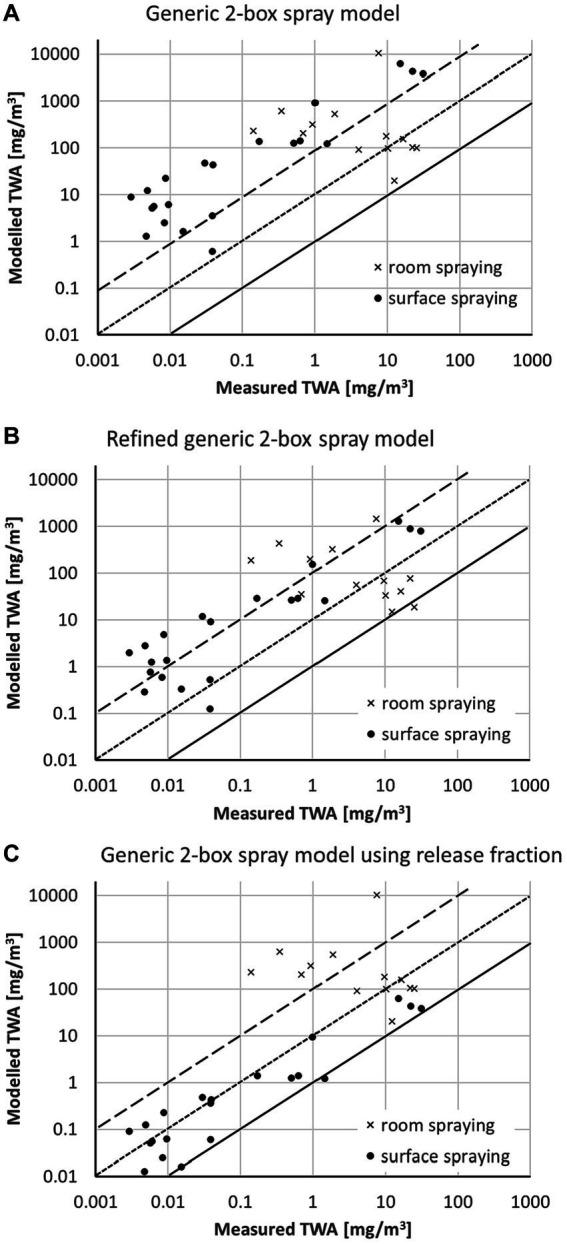
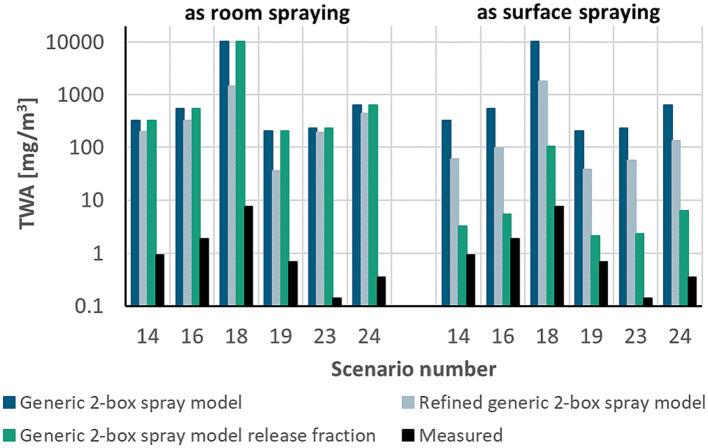
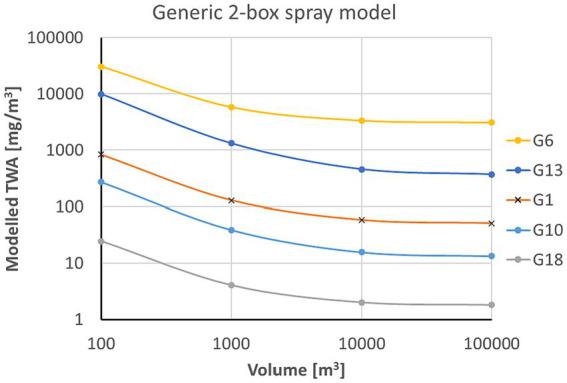
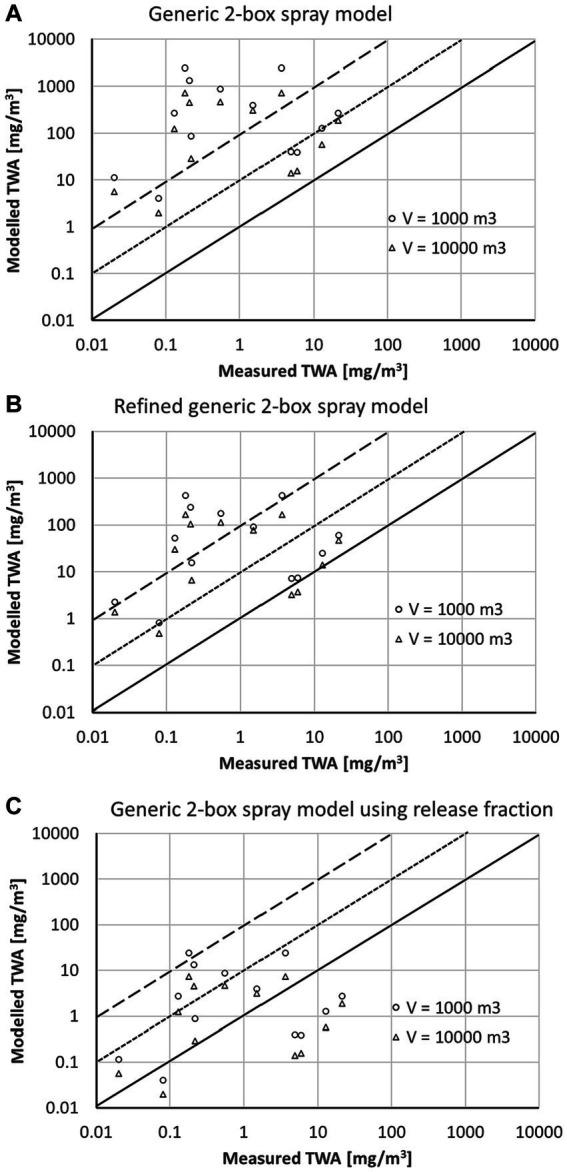
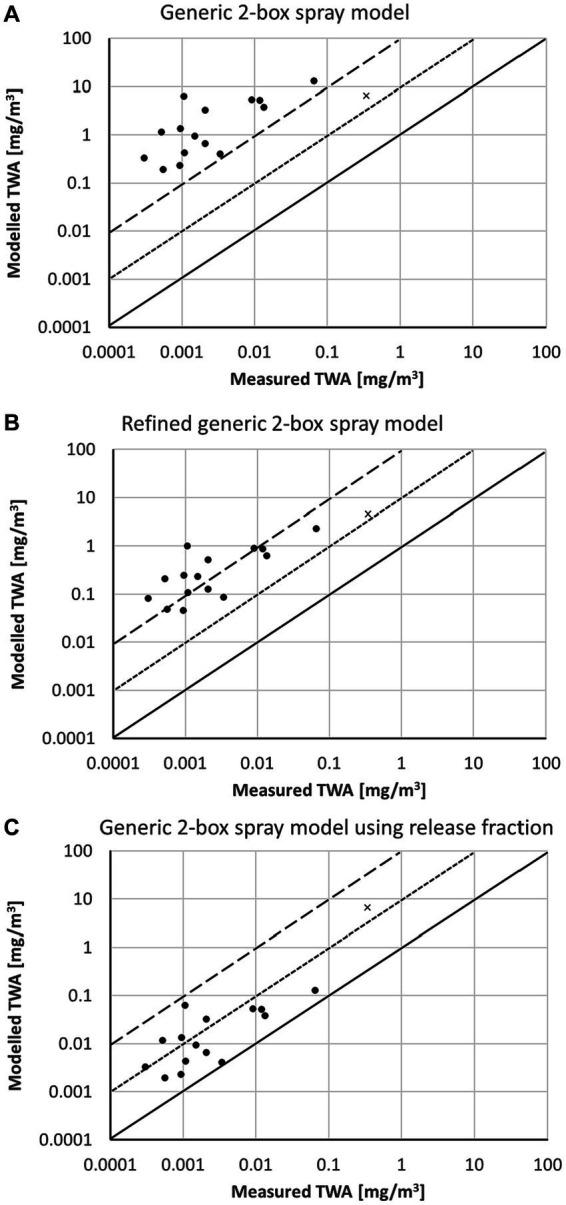
Sprays are used both in workplace and consumer settings. Although spraying has advantages, such as uniform distribution of substances on surfaces in a highly efficient manner, it is often associated with a high inhalation burden. For an adequate risk assessment, this exposure has to be reliably quantified. Exposure models of varying complexity are available, which are applicable to spray applications. However, a need for improvement has been identified. In this contribution, a simple 2-box approach is suggested for the assessment of the time-weighted averaged exposure concentration (TWA) using a minimum of input data. At the moment, the model is restricted to binary spray liquids composed of a non-volatile fraction and volatile solvents. The model output can be refined by introducing correction factors based on the classification and categorization of two key parameters, the droplet size class and the vapor pressure class of the solvent, or by using a data set of experimentally determined airborne release fractions related to the used spray equipment. A comparison of model results with measured data collected at real workplaces showed that this simple model based on readily available input parameters is very useful for screening purposes. The generic 2-box spray model without refinement overestimates the measurements of the considered scenarios in approximately 50% of the cases by more than a factor of 100. The generic 2-box model performs better for room spraying than for surface spraying, as the airborne fraction in the latter case is clearly overestimated. This conservatism of the prediction was significantly reduced when correction factors or experimentally determined airborne release fractions were used in addition to the generic input parameters. The resulting predictions still overestimate the exposure (ratio tool estimate to measured TWA > 10) or they are accurate (ratio 0.5-10). If the available information on boundary conditions (application type, equipment) does not justify the usage of airborne release fraction, room spraying should be used resulting in the highest exposure estimate. The model scope may be extended to (semi)volatile substances. However, acceptance may be compromised by the limited availability of measured data for this group of substances and thus may have limited potency to evaluate the model prediction.
喷雾器既用于工作场所,也用于消费环境。尽管喷雾具有将物质均匀分布在表面上的高效优势,但它通常与高吸入负担有关。为了进行充分的风险评估,必须可靠地量化这种暴露。现已有各种复杂程度的暴露模型适用于喷雾应用。然而,已经确定需要改进。在本研究中,建议采用一种简单的两箱方法来评估使用最少输入数据的时间加权平均暴露浓度(TWA)。目前,该模型仅限于由非挥发性部分和挥发性溶剂组成的二元喷雾液体。可以通过引入基于液滴尺寸分类和溶剂蒸气压分类的两个关键参数的修正因子,或使用与所使用的喷雾设备相关的实验确定的空气释放分数数据集来改进模型输出。将模型结果与在实际工作场所收集的测量数据进行比较表明,这种基于现成输入参数的简单模型对于筛选目的非常有用。在考虑的情况下,未经改进的通用两箱喷雾模型的测量值约有 50%的情况高估了 100 倍以上。对于房间喷雾,通用两箱模型的性能优于表面喷雾,因为在后一种情况下,空气传播部分明显被高估。当除了通用输入参数外还使用修正因子或实验确定的空气释放分数时,预测的这种保守性显著降低。由此产生的预测仍然高估了暴露量(工具估计值与测量的 TWA 的比值>10),或者是准确的(比值为 0.5-10)。如果有关边界条件(应用类型、设备)的可用信息不允许使用空气释放分数,则应使用房间喷雾,这将导致最高的暴露估计值。该模型的范围可能会扩展到(半)挥发性物质。然而,由于该物质组的测量数据有限,因此可能会影响其可接受性,从而可能限制评估模型预测的能力。

 Zotero 插件