
关于胡克(Hook F.)的传统用途、营养重要性、生药学特征、植物化学物质及药理学的综述
A review on the traditional uses, nutritive importance, pharmacognostic features, phytochemicals, and pharmacology of Hook F.
作者信息
Mohammed Firdous Sayeed, Babu Dinesh, Irfan Zainab, Fayed Marwa A A
机构信息
Department of Pharmacology, Calcutta Institute of Pharmaceutical Technology and Allied Health Sciences, Uluberia, Howrah, West Bengal, India.
Faculty of Pharmacy and Pharmaceutical Sciences, Katz Group Centre for Pharmacy and Health Research, University of Alberta, Alberta, Canada.
出版信息
PeerJ. 2024 Feb 27;12:e16928. doi: 10.7717/peerj.16928. eCollection 2024.
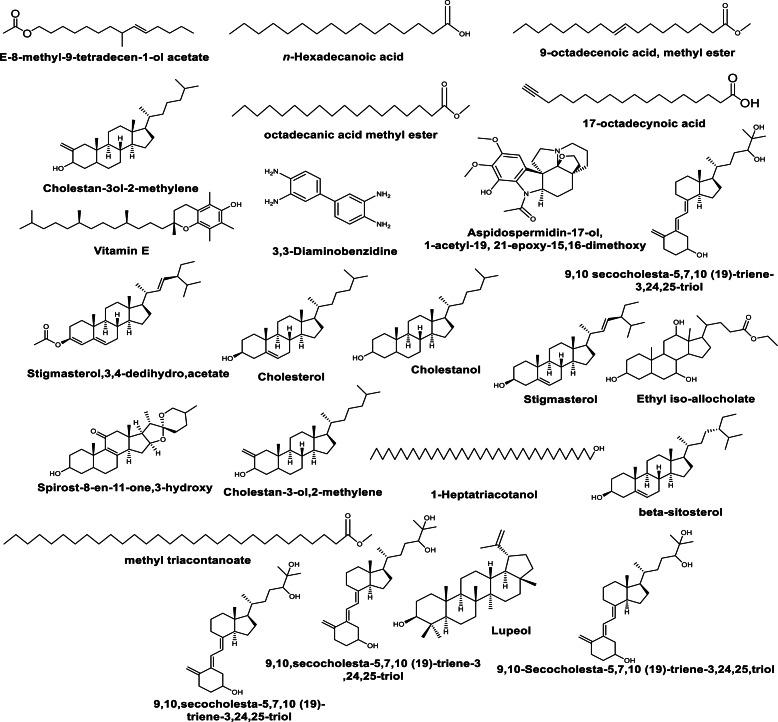
Hook F. (MC), belonging to the family Cucurbitaceae, is a plant with several biological activities. This detailed, comprehensive review gathers and presents all the information related to the geographical distribution, morphology, therapeutic uses, nutritional values, pharmacognostic characters, phytochemicals, and pharmacological activities of MC. The available literature showed that MC fruits are utilized as a stimulant, tonic, laxative, stomachic, and to combat inflammatory disorders. The fruits are used to treat spleen and liver diseases and are applied in folk medicine to induce abortion and treat diabetes mellitus. The phytochemical screening studies report that MC fruits contain tannins, alkaloids, phenols, proteins, amino acids, vitamin C, carbohydrates, -carotenes, palmitic acid, oleic acid, stearic acid, α-eleostearic acid, and γ-linolenic acid. The fruits also contain calcium, sodium, iron, potassium, copper, manganese, zinc, and phosphorus. Notably, momordicosides are cucurbitacin triterpenoids reported in the fruits of MC. Diverse pharmacological activities of MC, such as analgesic, anti-inflammatory, antioxidant, hepatoprotective, nephroprotective, antidiabetic, cardioprotective, antidepressant, anticonvulsant, anticancer, antiangiogenic, antifertility, antiulcer, antimicrobial, antidiarrheal and anthelmintic, have been reported by many investigators. methanolic extract is safe up to 2,000 mg/kg. Furthermore, no symptoms of toxicity were found. These pharmacological activities are mechanistically interpreted and described in this review. Additionally, the microscopic, powder and physiochemical characteristics of MC tubers are also highlighted. In summary, possesses remarkable medicinal values, which warrant further detailed studies to exploit its potential benefits therapeutically.
胡芦巴(MC)属于葫芦科,是一种具有多种生物活性的植物。这篇详细、全面的综述收集并呈现了与MC的地理分布、形态、治疗用途、营养价值、生药学特征、植物化学物质和药理活性相关的所有信息。现有文献表明,MC果实被用作兴奋剂、滋补剂、泻药、健胃剂,并用于对抗炎症性疾病。果实可用于治疗脾脏和肝脏疾病,在民间医学中还用于引产和治疗糖尿病。植物化学筛选研究报告称,MC果实含有单宁、生物碱、酚类、蛋白质、氨基酸、维生素C、碳水化合物、β-胡萝卜素、棕榈酸、油酸、硬脂酸、α-亚麻酸和γ-亚麻酸。果实还含有钙、钠、铁、钾、铜、锰、锌和磷。值得注意的是,苦瓜苷是在MC果实中报道的葫芦素三萜类化合物。许多研究人员报道了MC的多种药理活性,如镇痛、抗炎、抗氧化、保肝、护肾、抗糖尿病、心脏保护、抗抑郁、抗惊厥、抗癌、抗血管生成、抗生育、抗溃疡、抗菌、止泻和驱虫。甲醇提取物在高达2000mg/kg的剂量下是安全的。此外,未发现毒性症状。本综述对这些药理活性进行了机制性解释和描述。此外,还突出了MC块茎的微观、粉末和理化特征。总之,MC具有显著的药用价值,值得进一步详细研究以开发其治疗潜力。



 Zotero 插件