
对具有天然耐受性和防御行为差异的非洲化蜂群进行表型和遗传特征分析。
Phenotypic and genetic characterization of Africanized colonies with natural tolerance to and contrasting defensive behavior.
作者信息
Bianchi Eliana Mariel, Ferrari Carolina, Aguirre Natalia C, Filippi Carla V, Vera Pablo A, Puebla Andrea Fabiana, Gennari Gerardo P, Rodríguez Graciela A, Scannapieco Alejandra Carla, Acuña Cintia V, Lanzavecchia Silvia B
机构信息
Área Animal, Instituto de Investigación Animal del Chaco-Semiárido (IIACS) - Instituto Nacional de Tecnología Agropecuaria (INTA), Santa Rosa de Leales, Tucumán, Argentina.
Escuela de Ciencias Agrarias, Naturales y Ambientales (ECANA), Universidad Nacional del Noroeste de Buenos Aires (UNNOBA), Pergamino, Buenos Aires, Argentina.
出版信息
Front Insect Sci. 2023 Aug 31;3:1175760. doi: 10.3389/finsc.2023.1175760. eCollection 2023.
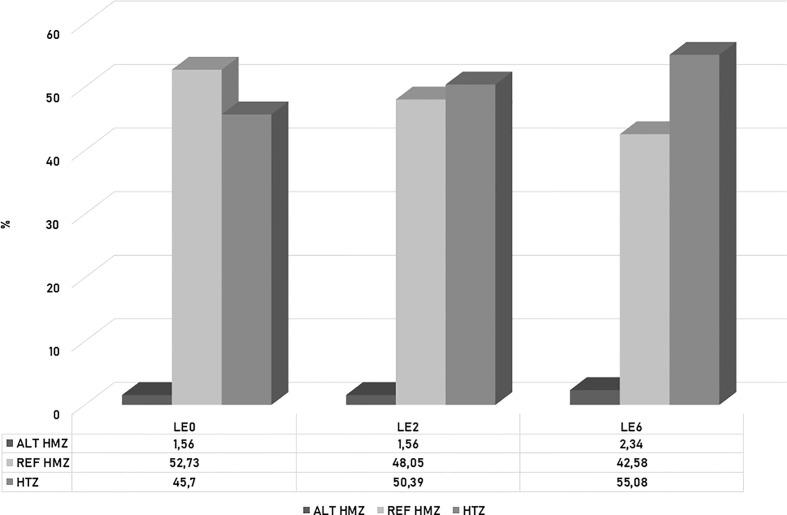
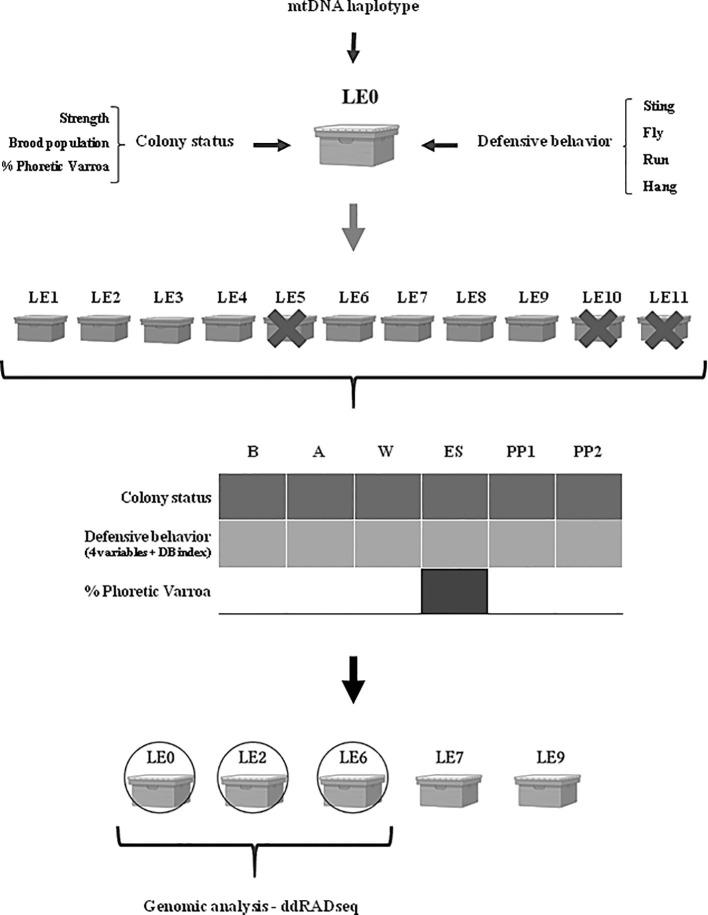
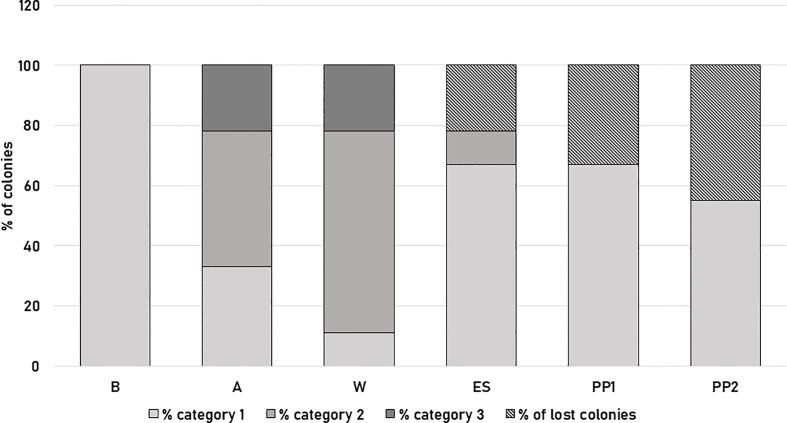
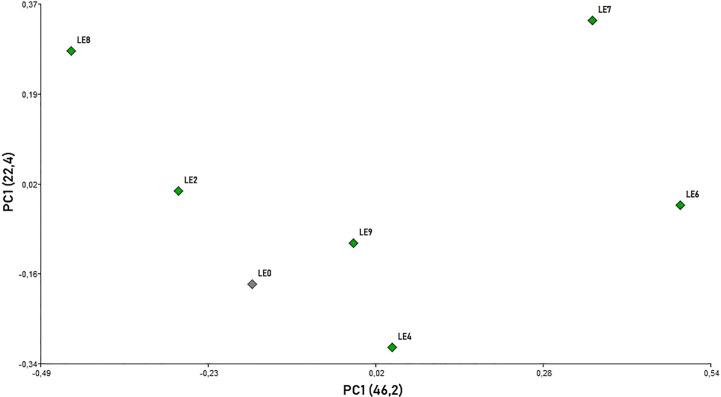
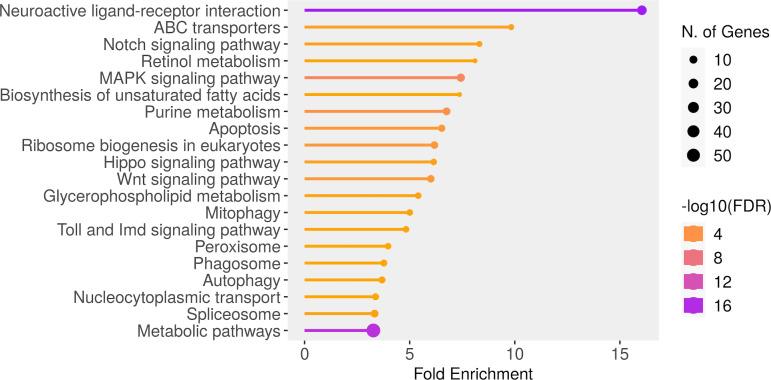
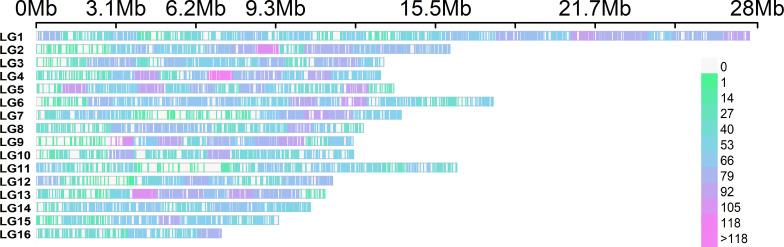
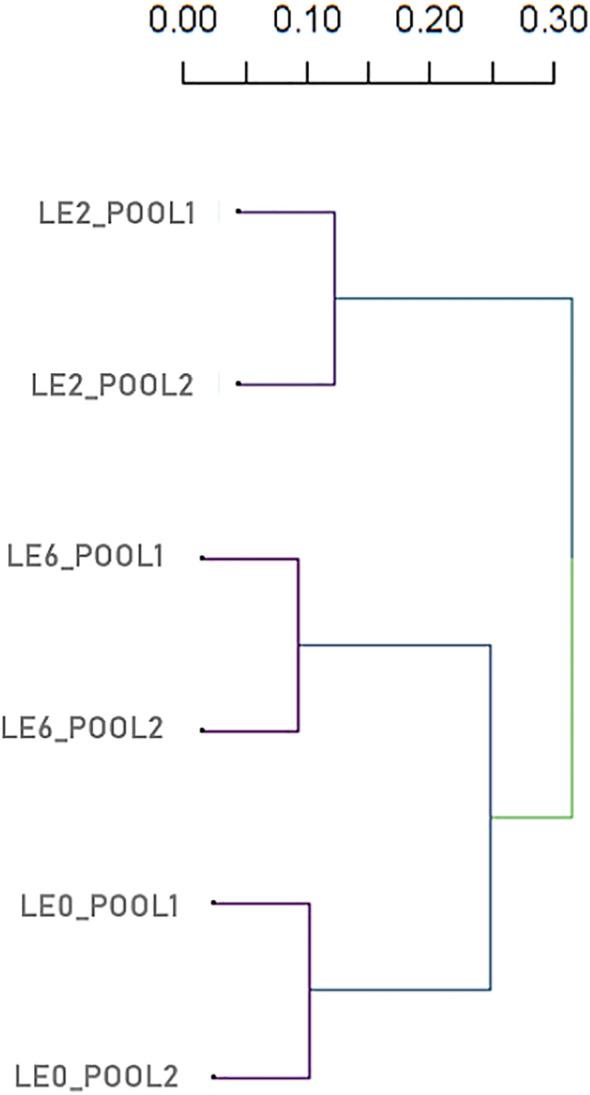
Africanized colonies with promising characteristics for beekeeping have been detected in northern Argentina (subtropical climate) and are considered of interest for breeding programs. Integral evaluation of this feral material revealed high colony strength and resistance/tolerance to brood diseases. However, these Africanized honeybees (AHB) also showed variable negative behavioral traits for beekeeping, such as defensiveness, tendency to swarm and avoidance behavior. We developed a protocol for the selection of AHB stocks based on defensive behavior and characterized contrasting colonies for this trait using NGS technologies. For this purpose, population and behavioral parameters were surveyed throughout a beekeeping season in nine daughter colonies obtained from a mother colony (A1 mitochondrial haplotype) with valuable characteristics (tolerance to the mite , high colony strength and low defensiveness). A Defensive Behavior Index was developed and tested in the colonies under study. Mother and two daughter colonies displaying contrasting defensive behavior were analyzed by ddRADseq. High-quality DNA samples were obtained from 16 workers of each colony. Six pooled samples, including two replicates of each of the three colonies, were processed. A total of 12,971 SNPs were detected against the reference genome of , 142 of which showed significant differences between colonies. We detected SNPs in coding regions, lncRNA, miRNA, rRNA, tRNA, among others. From the original data set, we also identified 647 SNPs located in protein-coding regions, 128 of which are related to 21 genes previously associated with defensive behavior, such as and , and , and , and members of the 5-HT family. We discuss the obtained results by considering the influence of polyandry and paternal lineages on the defensive behavior in AHB and provide baseline information to use this innovative molecular approach, ddRADseq, to assist in the selection and evaluation of honey bee stocks showing low defensive behavior for commercial uses.
在阿根廷北部(亚热带气候)已发现具有良好养蜂特性的非洲化蜂群,并被认为对育种计划具有重要意义。对这种野生蜂群的综合评估显示,其蜂群强壮,对幼虫疾病具有抗性/耐受性。然而,这些非洲化蜜蜂(AHB)在养蜂方面也表现出各种负面行为特征,如防御性、分蜂倾向和回避行为。我们制定了一套基于防御行为选择AHB蜂群的方案,并使用NGS技术对该性状的对比蜂群进行了特征分析。为此,在一个养蜂季节中,对从一个具有宝贵特性(耐螨、蜂群强壮且防御性低)的母蜂群(A1线粒体单倍型)获得的9个分蜂群的种群和行为参数进行了调查。我们开发了一种防御行为指数,并在研究的蜂群中进行了测试。通过ddRADseq分析了表现出对比防御行为的母蜂群和两个分蜂群。从每个蜂群的16只工蜂中获得了高质量的DNA样本。处理了6个混合样本,包括三个蜂群中每个蜂群的两个重复样本。与 的参考基因组相比,共检测到12971个单核苷酸多态性(SNP),其中142个在蜂群之间表现出显著差异。我们在编码区、长链非编码RNA(lncRNA)、微小RNA(miRNA)、核糖体RNA(rRNA)、转运RNA(tRNA)等区域检测到了SNP。从原始数据集中,我们还鉴定出位于蛋白质编码区的647个SNP,其中128个与先前与防御行为相关的21个基因有关,如 和 、 和 、 和 ,以及血清素(5-HT)家族的成员。我们通过考虑多雄授精和父系谱系对AHB防御行为的影响来讨论所得结果,并提供基线信息,以利用这种创新的分子方法——ddRADseq,协助选择和评估表现出低防御行为的商业用蜜蜂种群。

 Zotero 插件