
微藻蛋白作为新型食品中的可持续成分:最新进展与挑战
Microalgae Proteins as Sustainable Ingredients in Novel Foods: Recent Developments and Challenges.
作者信息
Mosibo Ornella Kongi, Ferrentino Giovanna, Udenigwe Chibuike C
机构信息
School of Nutrition Sciences, Faculty of Health Sciences, University of Ottawa, Ottawa, ON K1N 9A7, Canada.
Faculty of Agriculture, Environmental and Food Sciences, Free University of Bozen-Bolzano, Piazza Università 5, 39100 Bolzano, Italy.
出版信息
Foods. 2024 Feb 28;13(5):733. doi: 10.3390/foods13050733.
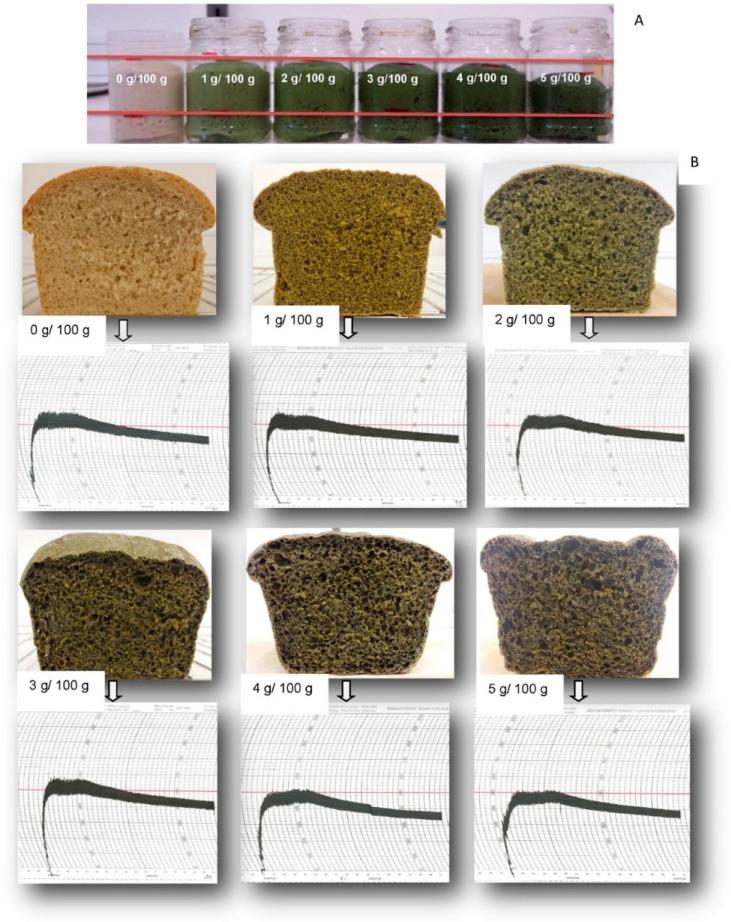
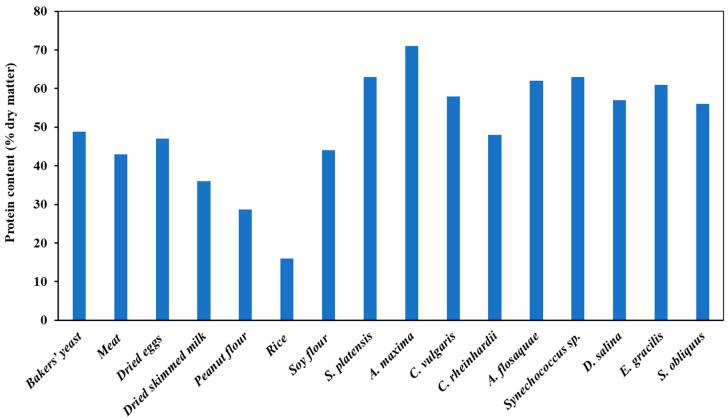
Microalgae are receiving increased attention in the food sector as a sustainable ingredient due to their high protein content and nutritional value. They contain up to 70% proteins with the presence of all 20 essential amino acids, thus fulfilling human dietary requirements. Microalgae are considered sustainable and environmentally friendly compared to traditional protein sources as they require less land and a reduced amount of water for cultivation. Although microalgae's potential in nutritional quality and functional properties is well documented, no reviews have considered an in-depth analysis of the pros and cons of their addition to foods. The present work discusses recent findings on microalgae with respect to their protein content and nutritional quality, placing a special focus on formulated food products containing microalgae proteins. Several challenges are encountered in the production, processing, and commercialization of foods containing microalgae proteins. Solutions presented in recent studies highlight the future research and directions necessary to provide solutions for consumer acceptability of microalgae proteins and derived products.
微藻作为一种可持续的成分,因其高蛋白含量和营养价值,在食品领域正受到越来越多的关注。它们含有高达70%的蛋白质,且包含所有20种必需氨基酸,从而满足人体饮食需求。与传统蛋白质来源相比,微藻被认为具有可持续性且对环境友好,因为它们种植所需的土地更少,用水量也更少。尽管微藻在营养品质和功能特性方面的潜力已有充分记录,但尚无综述对其添加到食品中的利弊进行深入分析。本研究讨论了微藻在蛋白质含量和营养品质方面的最新研究结果,特别关注含有微藻蛋白的配方食品。含有微藻蛋白的食品在生产、加工和商业化过程中面临若干挑战。近期研究提出的解决方案突出了为微藻蛋白及衍生产品的消费者接受度提供解决方案所需的未来研究及方向。

 Zotero 插件