
人乳头瘤病毒阳性口咽鳞状细胞癌与免疫系统:发病机制、免疫治疗及未来展望
Human Papilloma Virus Positive Oropharyngeal Squamous Cell Carcinoma and the Immune System: Pathogenesis, Immunotherapy and Future Perspectives.
作者信息
Khoo A, Boyer M, Jafri Z, Makeham T, Pham T, Khachigian L M, Floros P, Dowling E, Fedder K, Shonka D, Garneau J, O'Meara C H
机构信息
Department of Otolaryngology, Head & Neck Surgery, Canberra Health Services, Canberra, ACT 2601, Australia.
Chris O'Brien Lifehouse, Camperdown, NSW 2050, Australia.
出版信息
Int J Mol Sci. 2024 Feb 28;25(5):2798. doi: 10.3390/ijms25052798.
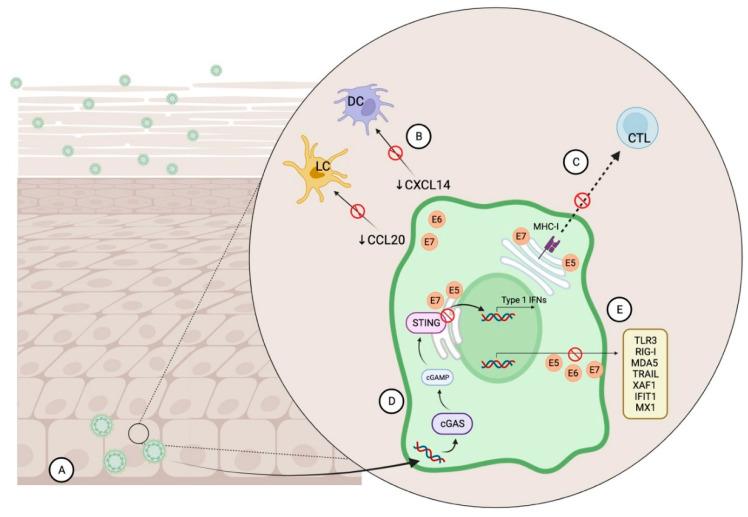
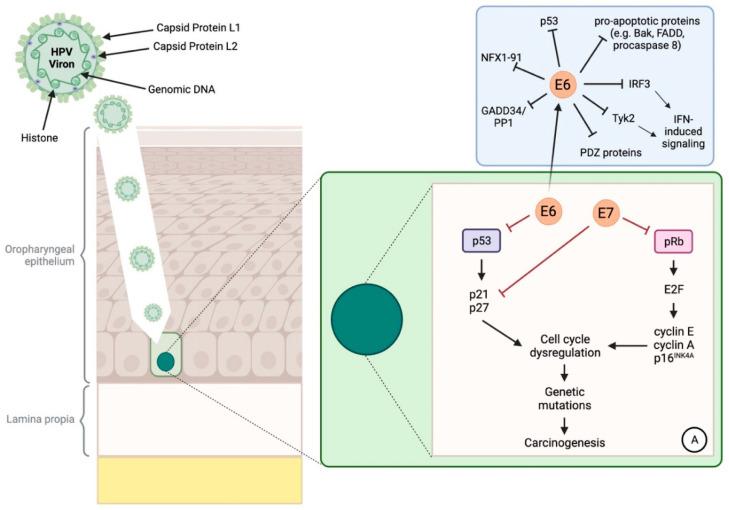
Oropharyngeal squamous cell carcinoma (OPSCC), a subset of head and neck squamous cell carcinoma (HNSCC), involves the palatine tonsils, soft palate, base of tongue, and uvula, with the ability to spread to adjacent subsites. Personalized treatment strategies for Human Papillomavirus-associated squamous cell carcinoma of the oropharynx (HPVOPSCC) are yet to be established. In this article, we summarise our current understanding of the pathogenesis of HPVOPSCC, the intrinsic role of the immune system, current ICI clinical trials, and the potential role of small molecule immunotherapy in HPVOPSCC.
口咽鳞状细胞癌(OPSCC)是头颈部鳞状细胞癌(HNSCC)的一个子集,累及腭扁桃体、软腭、舌根和悬雍垂,具有扩散至相邻亚部位的能力。人乳头瘤病毒相关口咽鳞状细胞癌(HPVOPSCC)的个性化治疗策略尚未确立。在本文中,我们总结了目前对HPVOPSCC发病机制、免疫系统的内在作用、当前的免疫检查点抑制剂(ICI)临床试验以及小分子免疫疗法在HPVOPSCC中的潜在作用的理解。

 Zotero 插件