
细胞外金属硫蛋白作为1型糖尿病早期进展中的治疗靶点。
Extracellular metallothionein as a therapeutic target in the early progression of type 1 diabetes.
作者信息
Melchiorre Clare K, Lynes Matthew D, Bhandari Sadikshya, Su Sheng-Chiang, Potts Christian M, Thees Amy V, Norris Carol E, Liaw Lucy, Tseng Yu-Hua, Lynes Michael A
机构信息
Department of Molecular and Cell Biology, University of Connecticut, Storrs, CT, USA.
Center for Molecular Medicine, MaineHealth Institute for Research, Scarborough, ME, USA.
出版信息
Cell Stress Chaperones. 2024 Apr;29(2):312-325. doi: 10.1016/j.cstres.2024.03.005. Epub 2024 Mar 13.
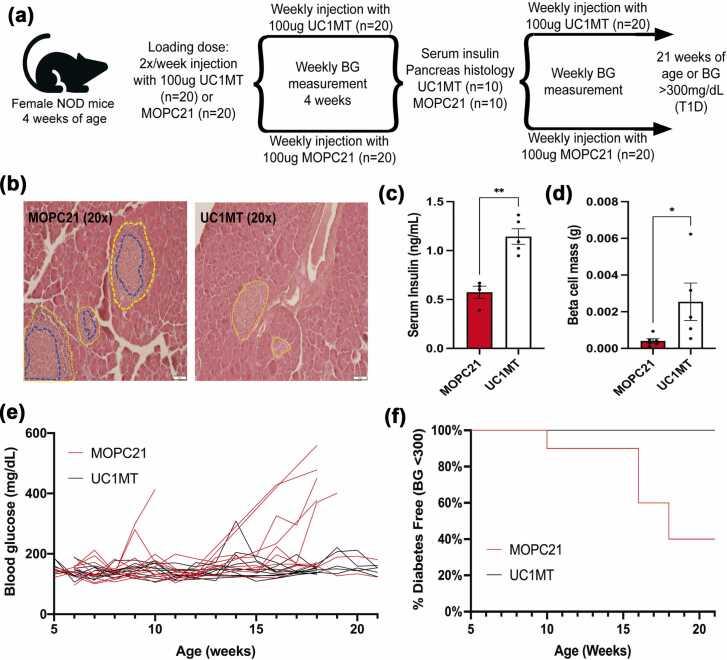
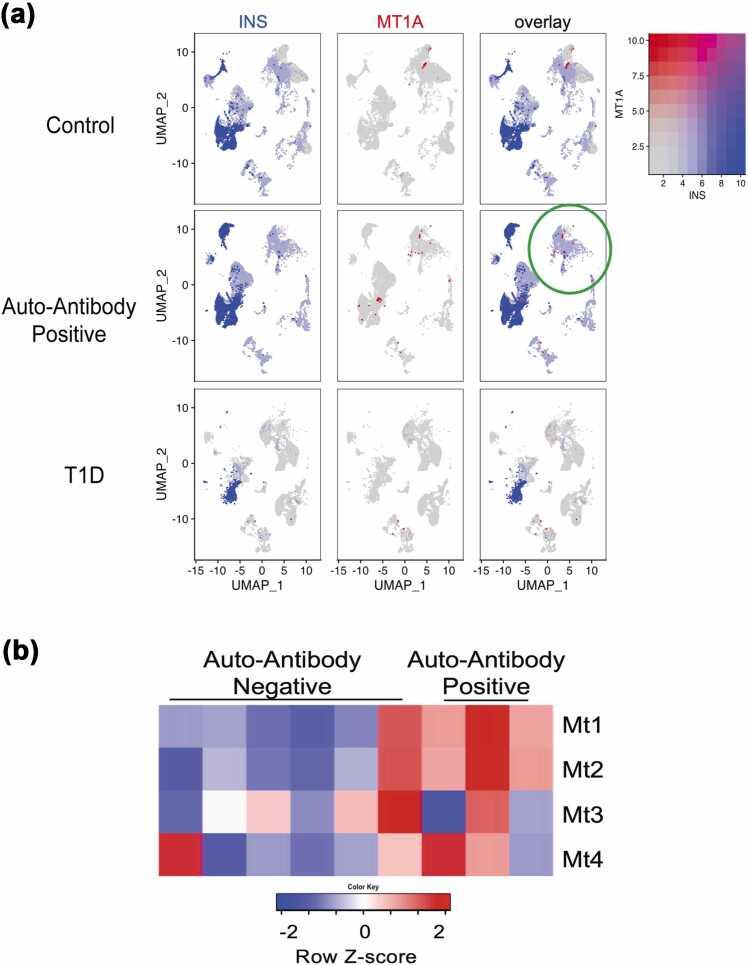
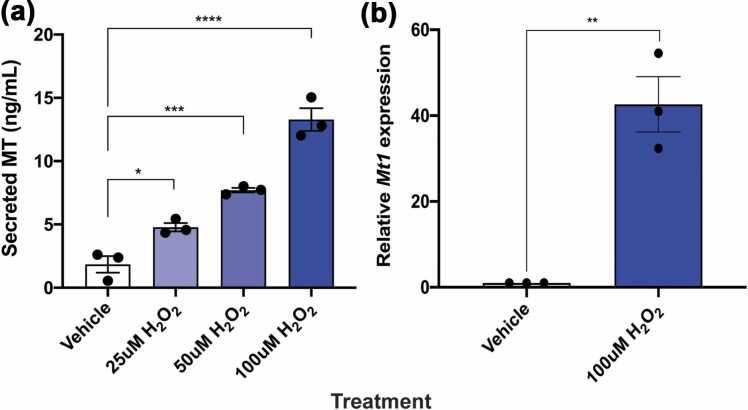
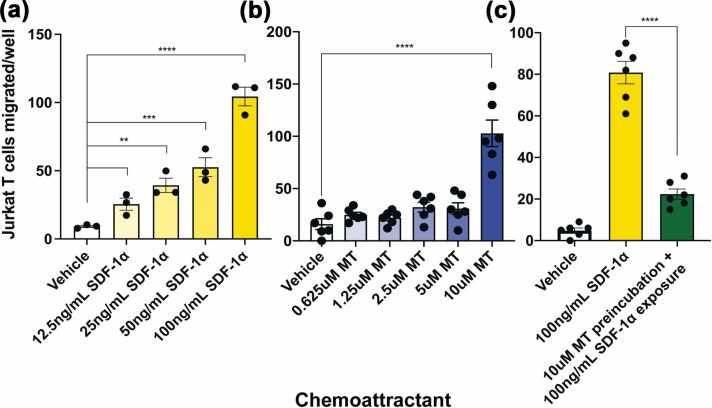
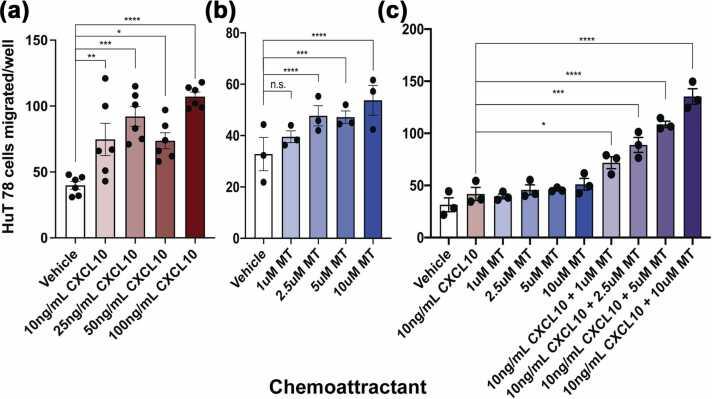
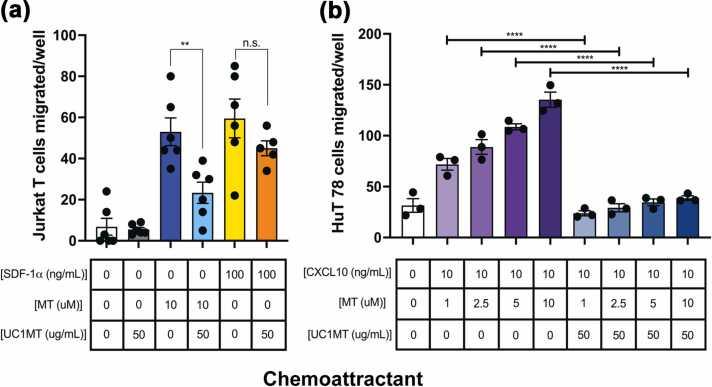
Type 1 diabetes (T1D) is characterized by lymphocyte infiltration into the pancreatic islets of Langerhans, leading to the destruction of insulin-producing beta cells and uncontrolled hyperglycemia. In the nonobese diabetic (NOD) murine model of T1D, the onset of this infiltration starts several weeks before glucose dysregulation and overt diabetes. Recruitment of immune cells to the islets is mediated by several chemotactic cytokines, including CXCL10, while other cytokines, including SDF-1α, can confer protective effects. Global gene expression studies of the pancreas from prediabetic NOD mice and single-cell sequence analysis of human islets from prediabetic, autoantibody-positive patients showed an increased expression of metallothionein (MT), a small molecular weight, cysteine-rich metal-binding stress response protein. We have shown that beta cells can release MT into the extracellular environment, which can subsequently enhance the chemotactic response of Th1 cells to CXCL10 and interfere with the chemotactic response of Th2 cells to SDF-1α. These effects can be blocked in vitro with a monoclonal anti-MT antibody, clone UC1MT. When administered to NOD mice before the onset of diabetes, UC1MT significantly reduces the development of T1D. Manipulation of extracellular MT may be an important approach to preserving beta cell function and preventing the development of T1D.
1型糖尿病(T1D)的特征是淋巴细胞浸润到胰岛,导致产生胰岛素的β细胞被破坏以及血糖不受控制地升高。在T1D的非肥胖糖尿病(NOD)小鼠模型中,这种浸润在血糖失调和明显糖尿病出现前几周就开始了。免疫细胞向胰岛的募集由几种趋化细胞因子介导,包括CXCL10,而其他细胞因子,如SDF-1α,可发挥保护作用。对糖尿病前期NOD小鼠胰腺的全基因组表达研究以及对糖尿病前期自身抗体阳性患者的人胰岛进行单细胞序列分析显示,金属硫蛋白(MT)表达增加,MT是一种分子量小、富含半胱氨酸的金属结合应激反应蛋白。我们已经表明,β细胞可以将MT释放到细胞外环境中,随后可增强Th1细胞对CXCL10的趋化反应,并干扰Th2细胞对SDF-1α的趋化反应。这些效应在体外可用单克隆抗MT抗体克隆UC1MT阻断。在糖尿病发病前给予NOD小鼠UC1MT,可显著减少T1D的发生。调节细胞外MT可能是保护β细胞功能和预防T1D发生的重要方法。

 Zotero 插件