
从急性创伤性脑损伤到慢性创伤性脑损伤,通过开发和评估在线心理教育平台改善心理社会适应:一项混合方法研究方案。
IMproving psYchosocial adjustment to Traumatic Brain Injury from acute to chronic injury through development and evaluation of the online psychoeducation platform: protocol for a mixed-methods study.
机构信息
Brightwater Research Centre, Brightwater Care Group, Inglewood, Western Australia, Australia
Brightwater Research Centre, Brightwater Care Group, Inglewood, Western Australia, Australia.
出版信息
BMJ Open. 2024 Mar 19;14(3):e080030. doi: 10.1136/bmjopen-2023-080030.
INTRODUCTION
This protocol describes the study which aims to: (1) develop an online psychoeducation platform for people with traumatic brain injury (TBI), their family members/caregivers, and healthcare staff to improve psychosocial adjustment to TBI across different phases of injury (acute, postacute, and chronic), and (2) undertake an evaluation of efficacy, acceptability, and feasibility.
METHODS AND ANALYSIS
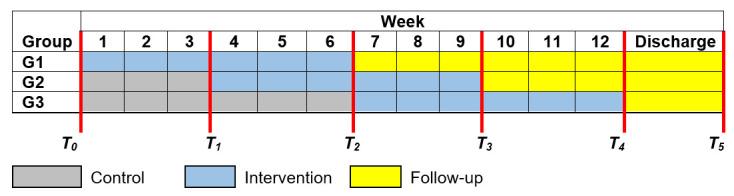
A three-stage mixed-methods research design will be used. The study will be undertaken across four postacute community-based neurorehabilitation and disability support services in Western Australia. Stage 1 (interviews and surveys) will use consumer-driven qualitative methodology to: (1) understand the recovery experiences and psychosocial challenges of people with TBI over key stages (acute, postacute, and chronic), and (2) identify required areas of psychosocial support to inform the psychoeducation platform development. Stage 2 (development) will use a Delphi expert consensus method to: (1) determine the final psychoeducation modules, and (2) perform acceptance testing of the platform. Finally, stage 3 (evaluation) will be a randomised stepped-wedge trial to evaluate efficacy, acceptability, and feasibility. Outcomes will be measured at baseline, postintervention, follow-up, and at final discharge from services. Change in outcomes will be analysed using multilevel mixed-effects modelling. Follow-up surveys will be conducted to evaluate acceptability and feasibility.
ETHICS AND DISSEMINATION
Ethics approval was granted by North Metropolitan Health Service Mental Health Research Ethics and Governance Office (RGS0000005877). Study findings will be relevant to clinicians, researchers, and organisations who are seeking a cost-effective solution to deliver ongoing psychoeducation and support to individuals with TBI across the recovery journey.
TRIAL REGISTRATION NUMBER
ACTRN12623000990628.
简介
本方案旨在:(1) 为创伤性脑损伤(TBI)患者、其家属/照顾者以及医护人员开发一个在线心理教育平台,以改善创伤性脑损伤各阶段(急性期、恢复期和慢性期)的社会心理适应;(2) 评估其疗效、可接受性和可行性。
方法和分析
将采用三阶段混合方法设计。该研究将在西澳大利亚州的 4 个急性期社区神经康复和残疾支持服务机构中进行。第 1 阶段(访谈和调查)将采用以消费者为导向的定性方法:(1) 了解 TBI 患者在关键阶段(急性期、恢复期和慢性期)的康复经历和社会心理挑战;(2) 确定心理社会支持的必要领域,为心理教育平台的开发提供信息。第 2 阶段(开发)将采用德尔菲专家共识方法:(1) 确定最终的心理教育模块;(2) 对平台进行接受度测试。最后,第 3 阶段(评估)将是一项随机阶梯式试验,以评估疗效、可接受性和可行性。结果将在基线、干预后、随访和最终从服务中出院时进行测量。使用多层次混合效应模型分析结果的变化。将进行随访调查以评估可接受性和可行性。
伦理和传播
已获得北都市卫生服务心理健康研究伦理和治理办公室(RGS0000005877)的伦理批准。研究结果将与正在寻求一种具有成本效益的解决方案的临床医生、研究人员和组织相关,以在康复过程中为 TBI 患者提供持续的心理教育和支持。
试验注册号
ACTRN12623000990628。

 Zotero 插件