
关于减轻医用植入物上生物膜相关感染的抗菌策略的综述。
A review on antimicrobial strategies in mitigating biofilm-associated infections on medical implants.
作者信息
Kadirvelu Lohita, Sivaramalingam Sowmiya Sri, Jothivel Deepsikha, Chithiraiselvan Dhivia Dharshika, Karaiyagowder Govindarajan Deenadayalan, Kandaswamy Kumaravel
机构信息
Research Center for Excellence in Microscopy, Department of Biotechnology, Kumaraguru College of Technology, Coimbatore, 641049, Tamil Nadu, India.
出版信息
Curr Res Microb Sci. 2024 Mar 7;6:100231. doi: 10.1016/j.crmicr.2024.100231. eCollection 2024.
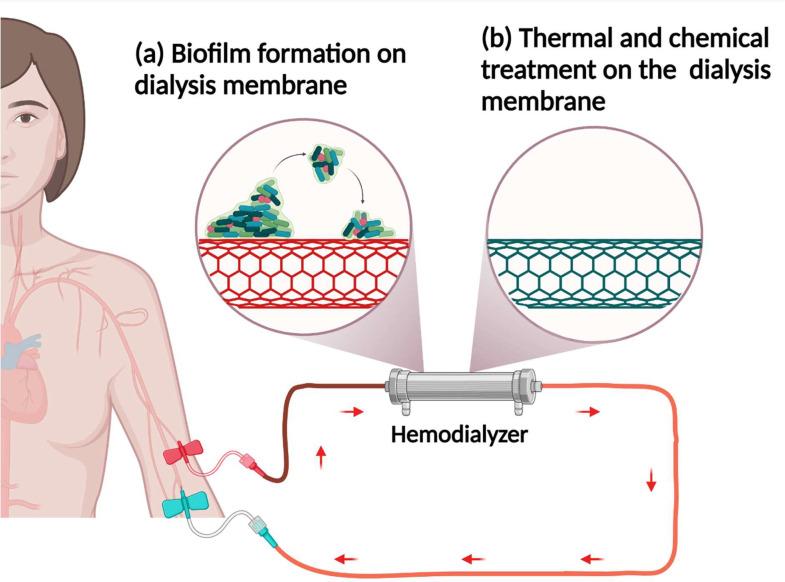
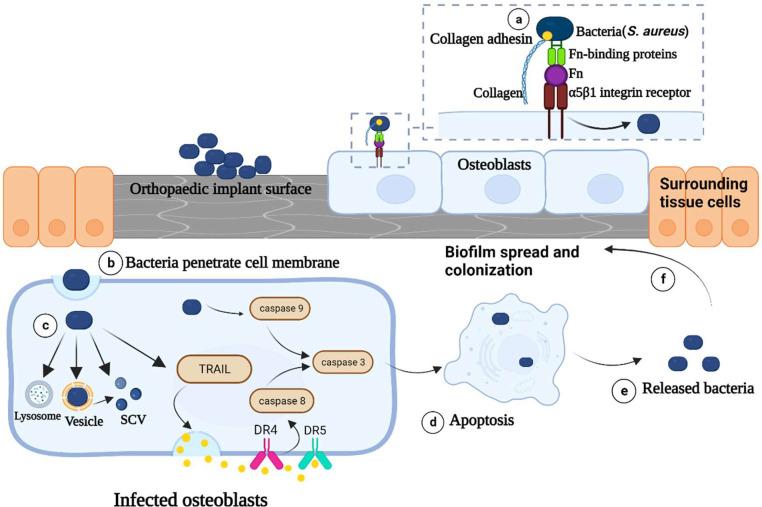
Biomedical implants are crucial in providing support and functionality to patients with missing or defective body parts. However, implants carry an inherent risk of bacterial infections that are biofilm-associated and lead to significant complications. These infections often result in implant failure, requiring replacement by surgical restoration. Given these complications, it is crucial to study the biofilm formation mechanism on various biomedical implants that will help prevent implant failures. Therefore, this comprehensive review explores various types of implants (e.g., dental implant, orthopedic implant, tracheal stent, breast implant, central venous catheter, cochlear implant, urinary catheter, intraocular lens, and heart valve) and medical devices (hemodialyzer and pacemaker) in use. In addition, the mechanism of biofilm formation on those implants, and their pathogenesis were discussed. Furthermore, this article critically reviews various approaches in combating implant-associated infections, with a special emphasis on novel non-antibiotic alternatives to mitigate biofilm infections.
生物医学植入物对于为身体部分缺失或有缺陷的患者提供支撑和功能至关重要。然而,植入物存在与生物膜相关的细菌感染固有风险,并会导致严重并发症。这些感染常常导致植入物失效,需要通过手术修复进行更换。鉴于这些并发症,研究各种生物医学植入物上的生物膜形成机制对于预防植入物失效至关重要。因此,本综述探讨了各种正在使用的植入物(如牙科植入物、骨科植入物、气管支架、乳房植入物、中心静脉导管、人工耳蜗、导尿管、人工晶状体和心脏瓣膜)以及医疗设备(血液透析器和起搏器)。此外,还讨论了这些植入物上生物膜的形成机制及其发病机制。此外,本文批判性地回顾了对抗植入物相关感染的各种方法,特别强调了减轻生物膜感染的新型非抗生素替代方法。




 Zotero 插件