
SARS-CoV-2 木瓜蛋白酶样蛋白酶的去泛素化活性不会影响病毒在体内的复制或先天免疫反应。
Deubiquitinating activity of SARS-CoV-2 papain-like protease does not influence virus replication or innate immune responses in vivo.
机构信息
Molecular Virology Laboratory, Leiden University Center of Infectious Diseases (LU-CID), Leiden University Medical Center, Leiden, Netherlands.
Department of Cell and Chemical Biology, Division of Chemical Biology and Drug Discovery, Leiden University Medical Centre, Leiden, The Netherlands.
出版信息
PLoS Pathog. 2024 Mar 25;20(3):e1012100. doi: 10.1371/journal.ppat.1012100. eCollection 2024 Mar.
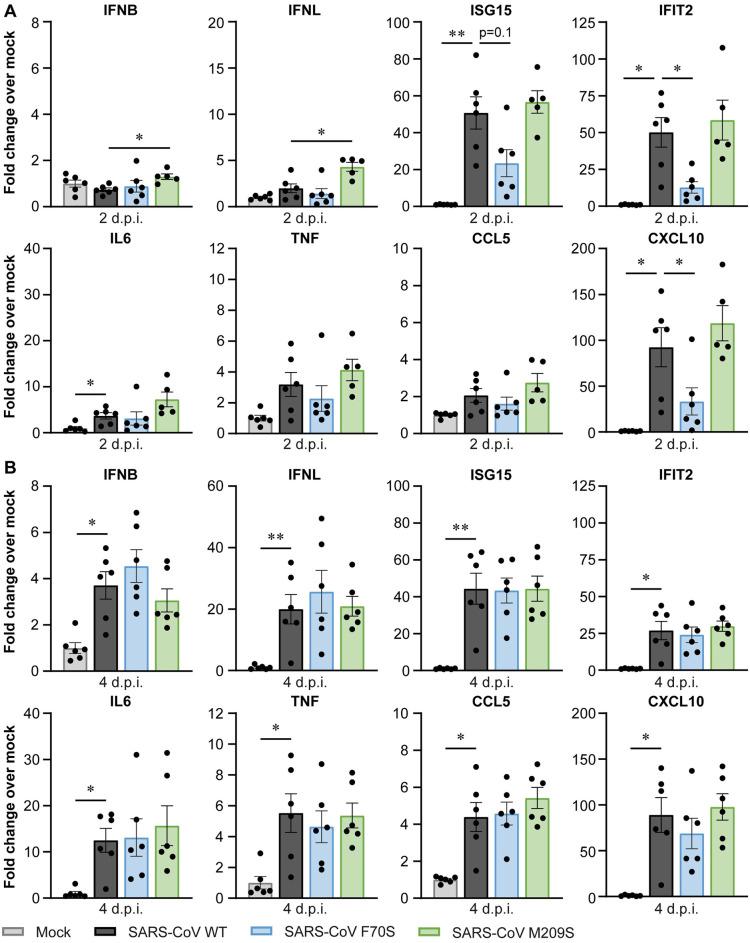
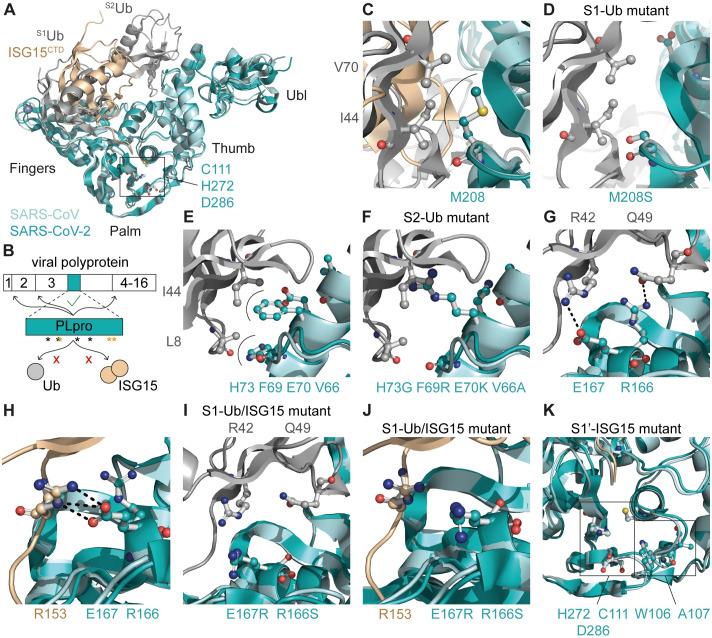
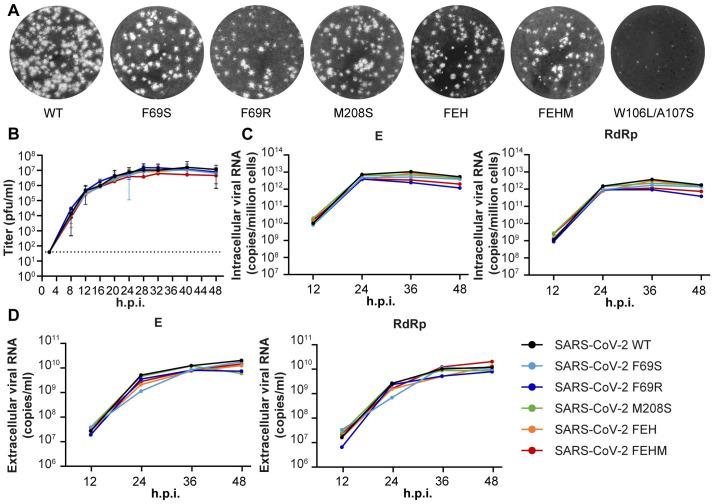
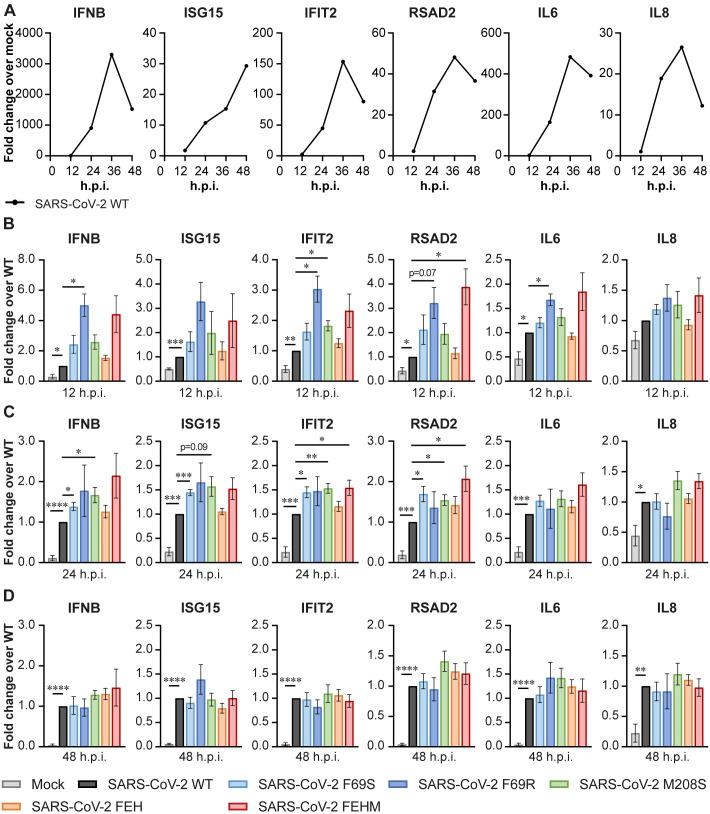
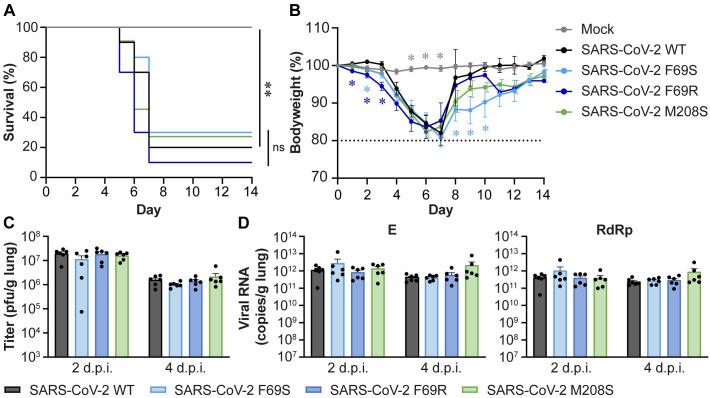
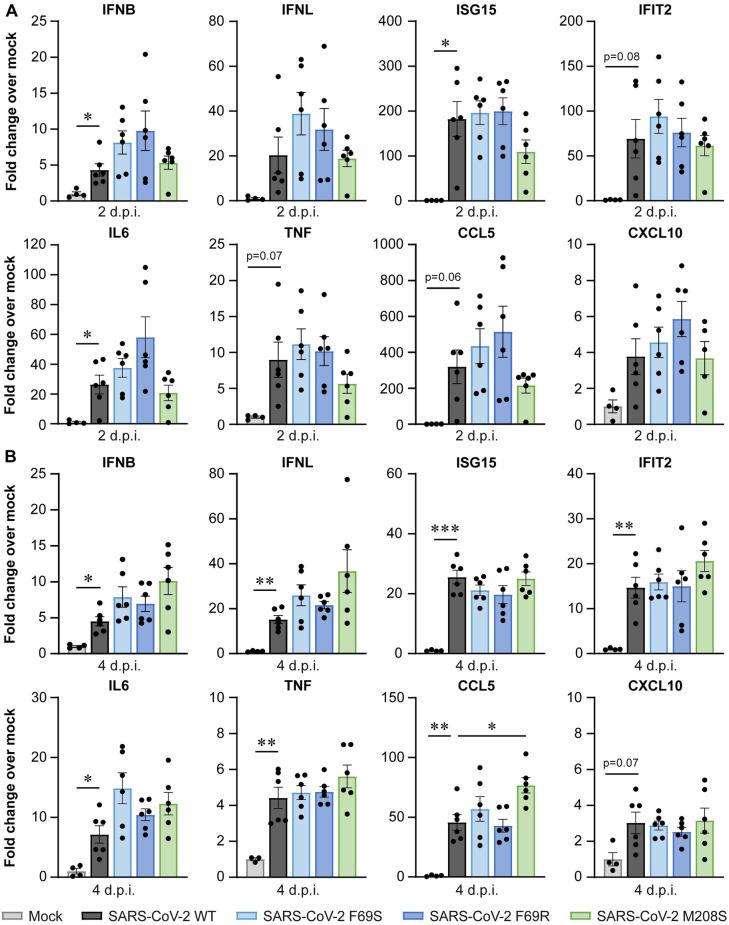
The coronavirus papain-like protease (PLpro) is crucial for viral replicase polyprotein processing. Additionally, PLpro can subvert host defense mechanisms by its deubiquitinating (DUB) and deISGylating activities. To elucidate the role of these activities during SARS-CoV-2 infection, we introduced mutations that disrupt binding of PLpro to ubiquitin or ISG15. We identified several mutations that strongly reduced DUB activity of PLpro, without affecting viral polyprotein processing. In contrast, mutations that abrogated deISGylating activity also hampered viral polyprotein processing and when introduced into the virus these mutants were not viable. SARS-CoV-2 mutants exhibiting reduced DUB activity elicited a stronger interferon response in human lung cells. In a mouse model of severe disease, disruption of PLpro DUB activity did not affect lethality, virus replication, or innate immune responses in the lungs. This suggests that the DUB activity of SARS-CoV-2 PLpro is dispensable for virus replication and does not affect innate immune responses in vivo. Interestingly, the DUB mutant of SARS-CoV replicated to slightly lower titers in mice and elicited a diminished immune response early in infection, although lethality was unaffected. We previously showed that a MERS-CoV mutant deficient in DUB and deISGylating activity was strongly attenuated in mice. Here, we demonstrate that the role of PLpro DUB activity during infection can vary considerably between highly pathogenic coronaviruses. Therefore, careful considerations should be taken when developing pan-coronavirus antiviral strategies targeting PLpro.
冠状病毒木瓜蛋白酶样蛋白酶(PLpro)对于病毒复制酶多蛋白的加工至关重要。此外,PLpro 可以通过去泛素化(DUB)和去 ISGylating 活性来颠覆宿主防御机制。为了阐明这些活性在 SARS-CoV-2 感染过程中的作用,我们引入了破坏 PLpro 与泛素或 ISG15 结合的突变。我们鉴定了几种突变,这些突变强烈降低了 PLpro 的 DUB 活性,而不影响病毒多蛋白的加工。相比之下,破坏去 ISGylating 活性的突变也阻碍了病毒多蛋白的加工,当这些突变引入病毒时,它们是不可存活的。表现出降低的 DUB 活性的 SARS-CoV-2 突变体在人肺细胞中引发了更强的干扰素反应。在严重疾病的小鼠模型中,PLpro DUB 活性的破坏不影响肺中的致死率、病毒复制或先天免疫反应。这表明 SARS-CoV-2 PLpro 的 DUB 活性对于病毒复制是可有可无的,并且不会影响体内的先天免疫反应。有趣的是,DUB 突变的 SARS-CoV 在小鼠中的复制滴度略低,并在感染早期引发减弱的免疫反应,尽管致死率不受影响。我们之前表明,缺乏 DUB 和去 ISGylating 活性的 MERS-CoV 突变体在小鼠中强烈减弱。在这里,我们证明了 PLpro DUB 活性在感染过程中的作用在高致病性冠状病毒之间可能有很大的差异。因此,在开发针对 PLpro 的泛冠状病毒抗病毒策略时,应谨慎考虑。


 Zotero 插件