
计算鼻科学:揭示计算机模拟与体内鼻气流评估之间的差异以增强临床决策支持
Computational Rhinology: Unraveling Discrepancies between In Silico and In Vivo Nasal Airflow Assessments for Enhanced Clinical Decision Support.
作者信息
Johnsen Sverre Gullikstad
机构信息
SINTEF, NO-7465 Trondheim, Norway.
出版信息
Bioengineering (Basel). 2024 Feb 28;11(3):239. doi: 10.3390/bioengineering11030239.
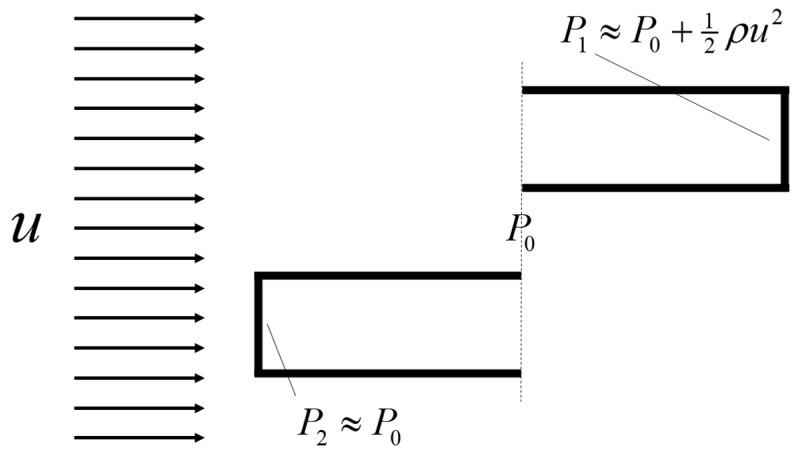
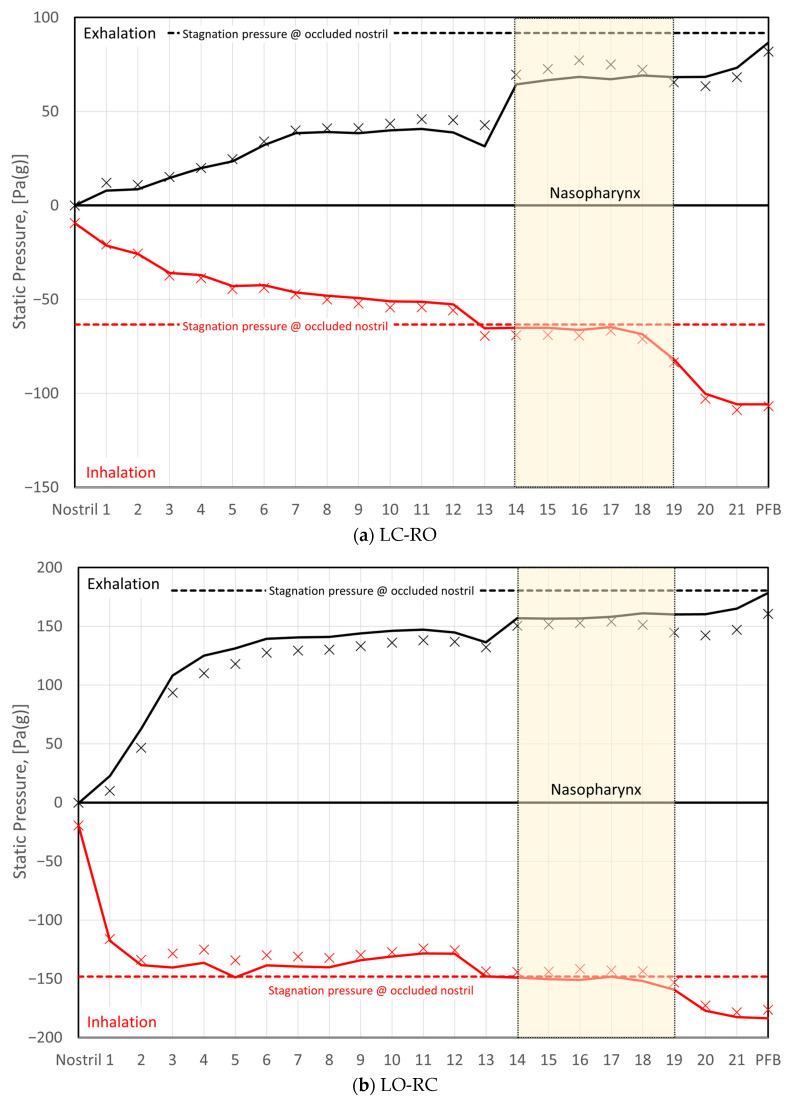
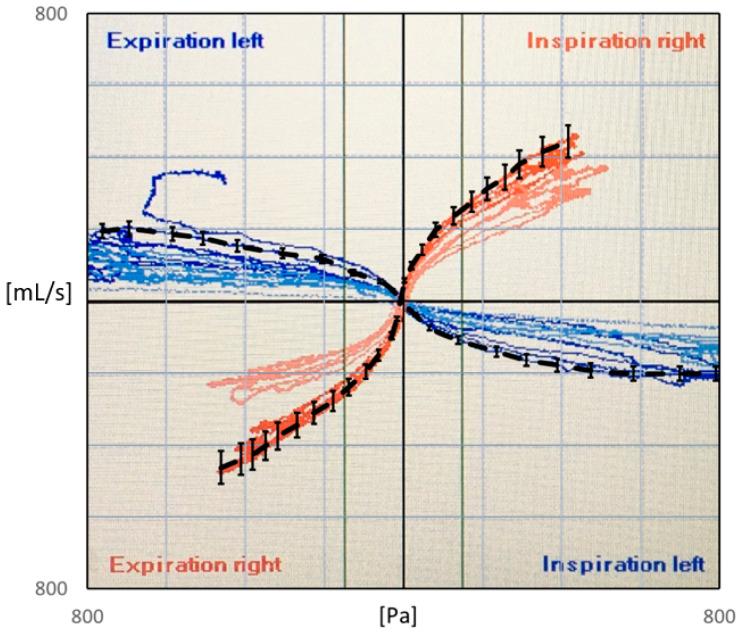
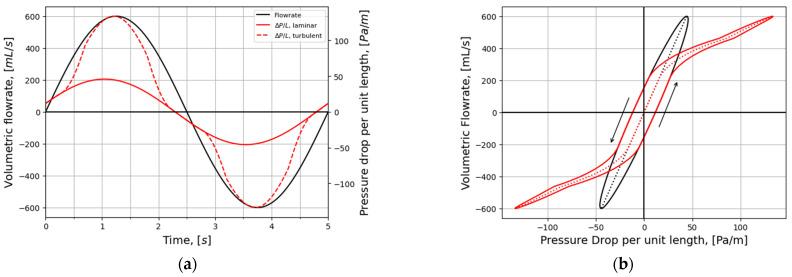
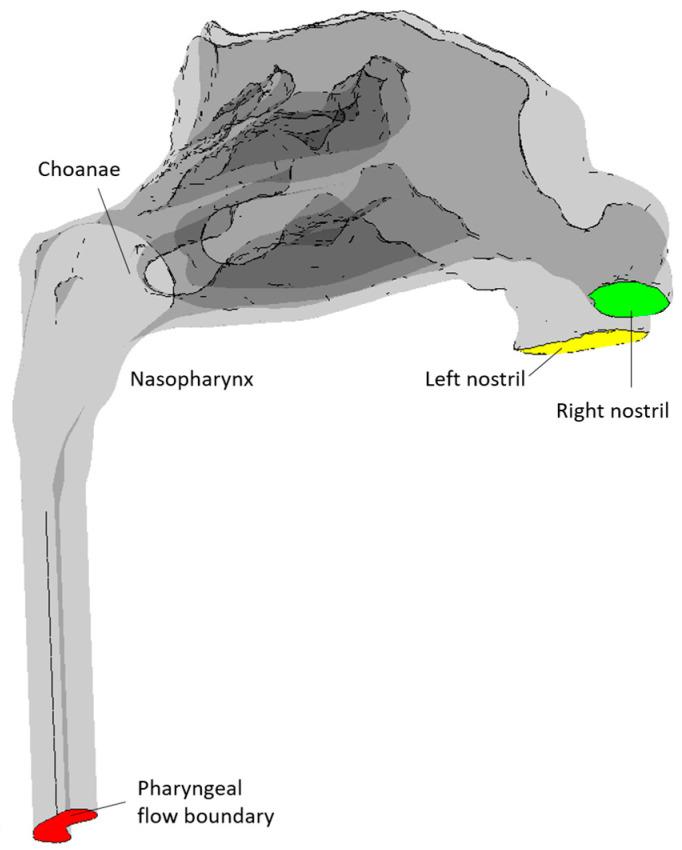
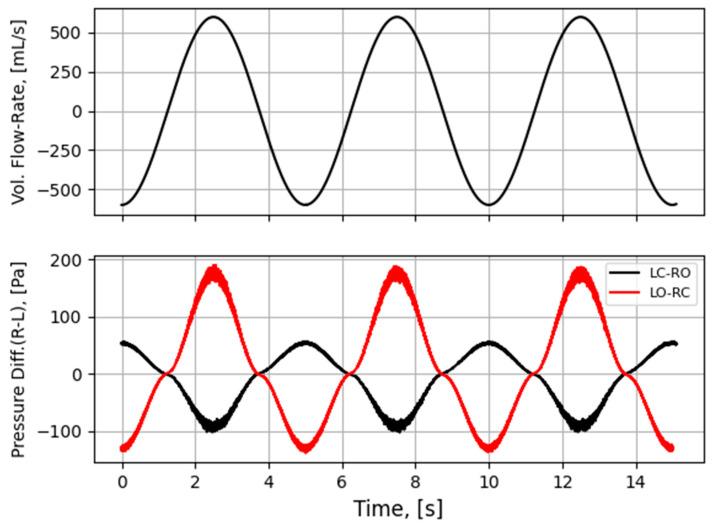
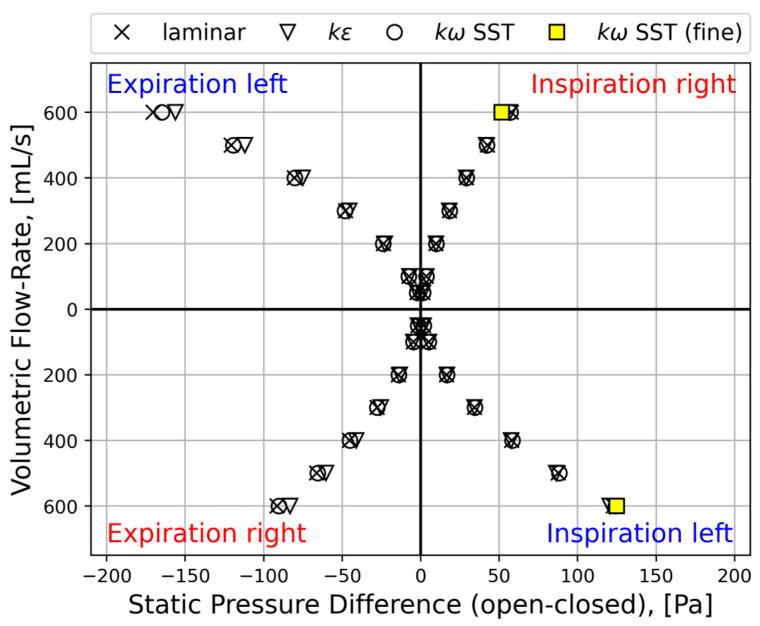
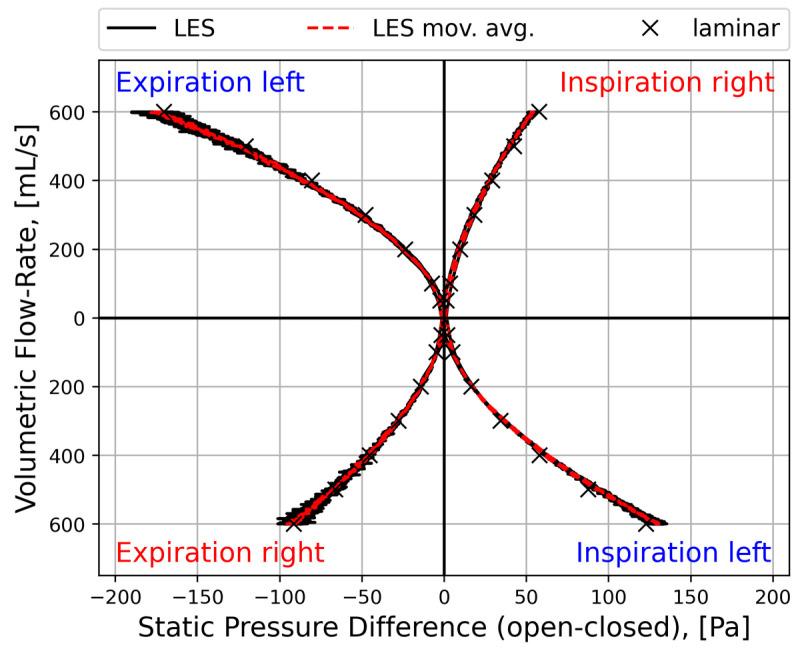
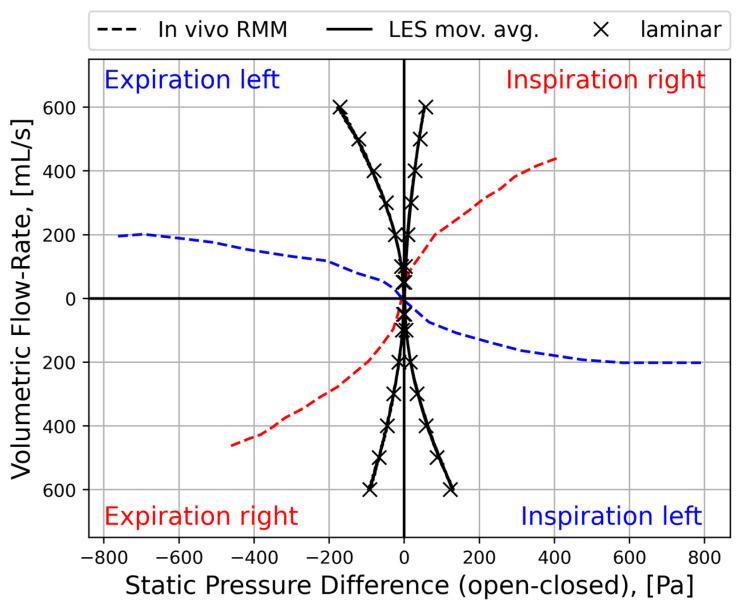
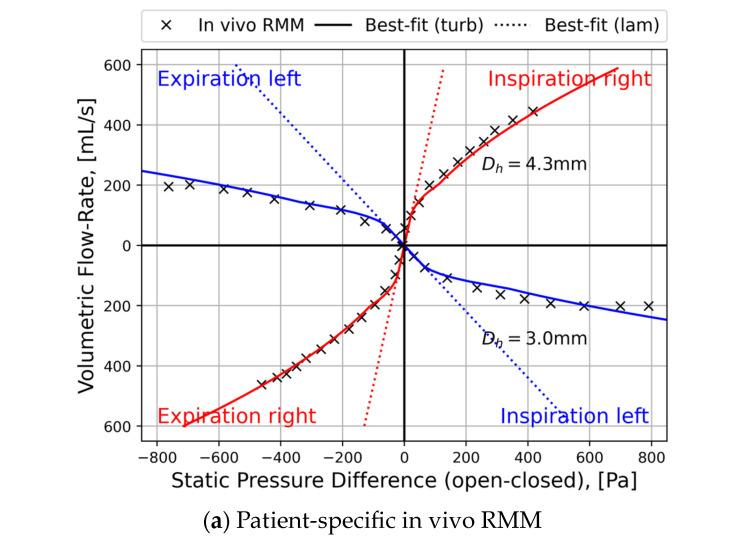
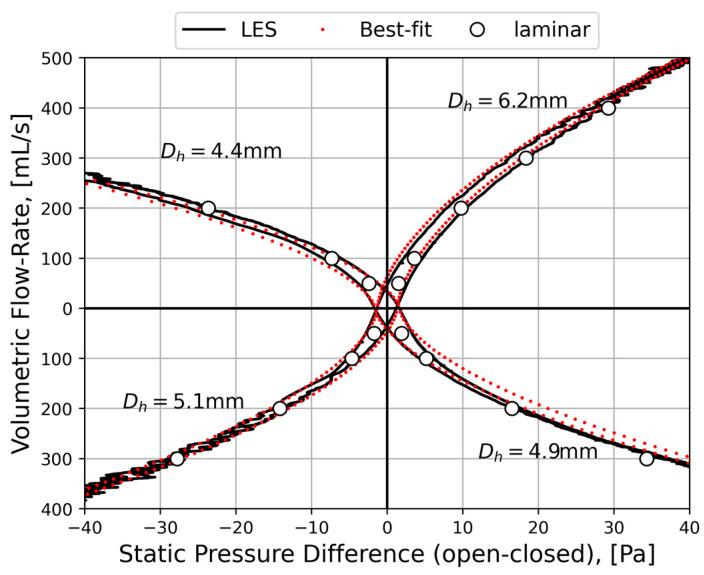
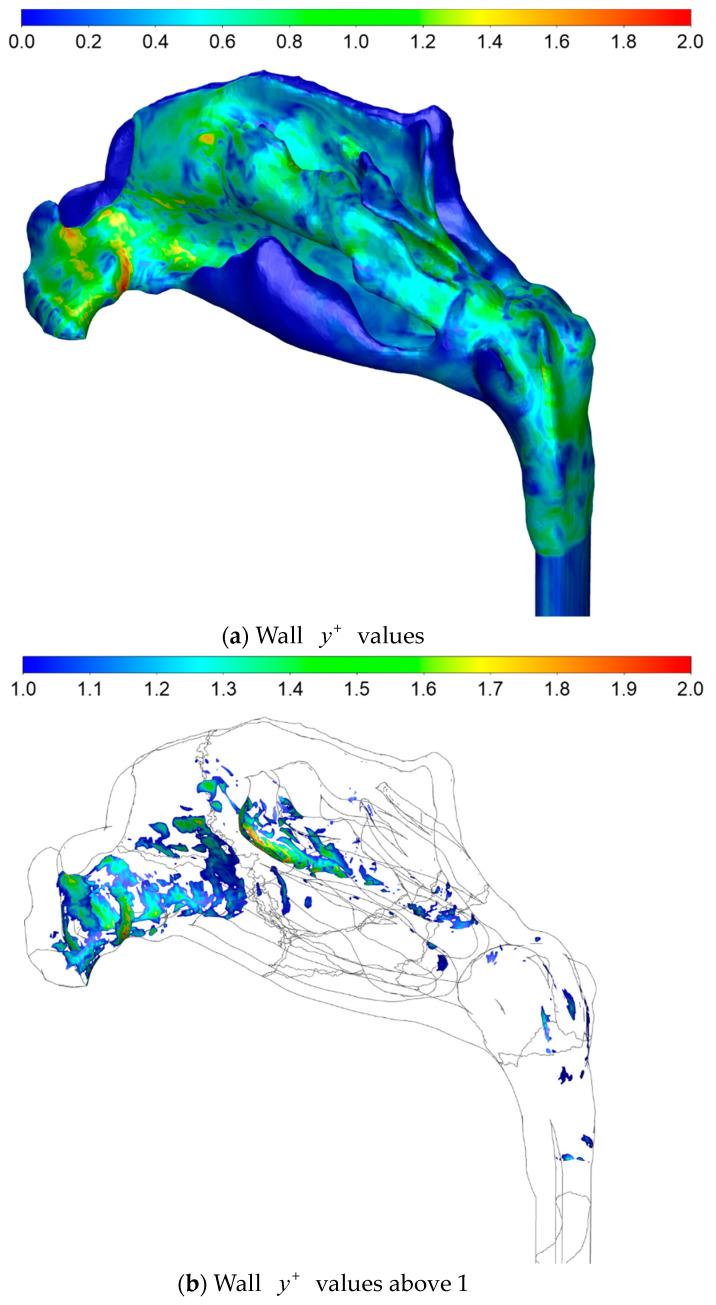
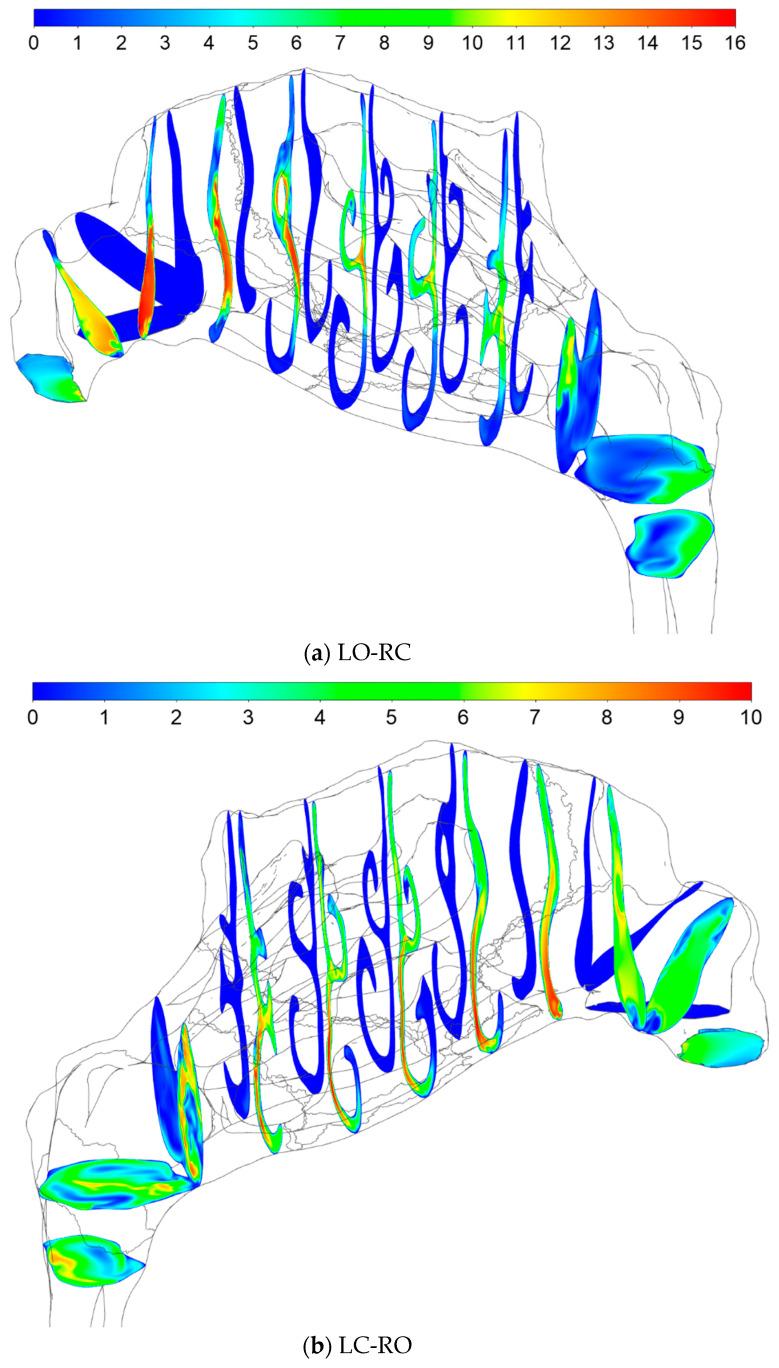
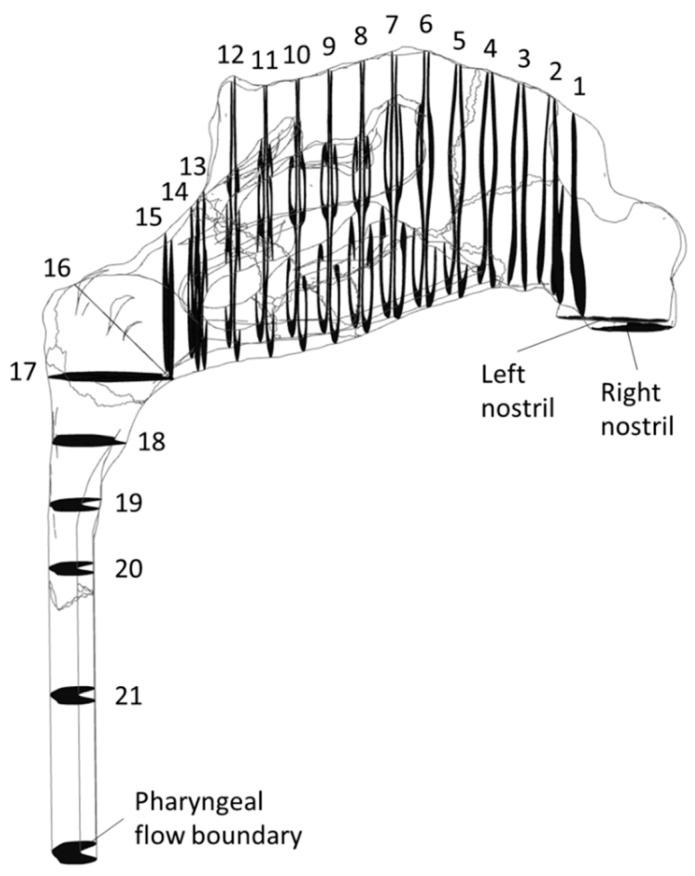
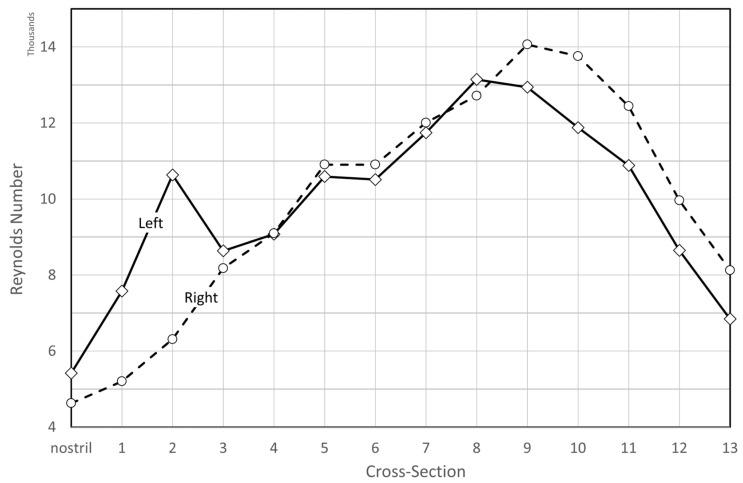
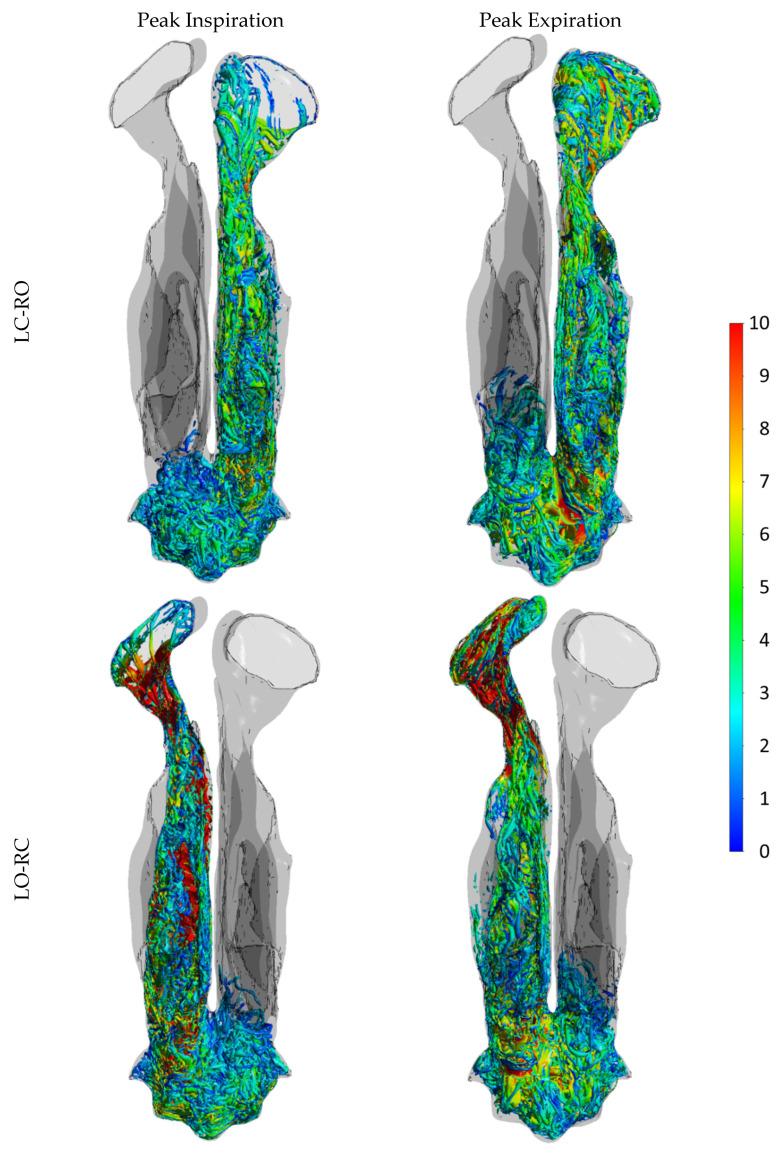
Computational rhinology is a specialized branch of biomechanics leveraging engineering techniques for mathematical modelling and simulation to complement the medical field of rhinology. Computational rhinology has already contributed significantly to advancing our understanding of the nasal function, including airflow patterns, mucosal cooling, particle deposition, and drug delivery, and is foreseen as a crucial element in, e.g., the development of virtual surgery as a clinical, patient-specific decision support tool. The current paper delves into the field of computational rhinology from a nasal airflow perspective, highlighting the use of computational fluid dynamics to enhance diagnostics and treatment of breathing disorders. This paper consists of three distinct parts-an introduction to and review of the field of computational rhinology, a review of the published literature on in vitro and in silico studies of nasal airflow, and the presentation and analysis of previously unpublished high-fidelity CFD simulation data of in silico rhinomanometry. While the two first parts of this paper summarize the current status and challenges in the application of computational tools in rhinology, the last part addresses the gross disagreement commonly observed when comparing in silico and in vivo rhinomanometry results. It is concluded that this discrepancy cannot readily be explained by CFD model deficiencies caused by poor choice of turbulence model, insufficient spatial or temporal resolution, or neglecting transient effects. Hence, alternative explanations such as nasal cavity compliance or drag effects due to nasal hair should be investigated.
计算鼻科学是生物力学的一个专业分支,它利用工程技术进行数学建模和模拟,以补充鼻科学这一医学领域。计算鼻科学已经为增进我们对鼻腔功能的理解做出了重大贡献,包括气流模式、黏膜冷却、颗粒沉积和药物输送等方面,并且被视为例如虚拟手术作为一种临床的、针对特定患者的决策支持工具发展中的关键要素。本文从鼻腔气流的角度深入探讨计算鼻科学领域,强调利用计算流体动力学来加强对呼吸障碍的诊断和治疗。本文由三个不同部分组成——计算鼻科学领域的介绍与综述、关于鼻腔气流体外和计算机模拟研究的已发表文献综述,以及首次发表的计算机模拟鼻阻力测量高保真计算流体动力学模拟数据的呈现与分析。虽然本文的前两个部分总结了计算工具在鼻科学应用中的现状和挑战,但最后一部分探讨了在比较计算机模拟和体内鼻阻力测量结果时常见的严重分歧。得出的结论是,这种差异不能轻易地用因湍流模型选择不当、空间或时间分辨率不足或忽略瞬态效应导致的计算流体动力学模型缺陷来解释。因此,应该研究诸如鼻腔顺应性或鼻毛引起的阻力效应等其他解释。









 Zotero 插件