
四氢大麻酚和精子:对受精能力、体外植入前发育和表观遗传修饰的影响。
THC and sperm: Impact on fertilization capability, pre-implantation in vitro development and epigenetic modifications.
机构信息
Reproductive Health and Biotechnology Lab, Department of Biomedical Sciences, University of Guelph, Guelph, Ontario, Canada.
Department of Anatomy and Cell Biology, Western University, London, Ontario, Canada.
出版信息
PLoS One. 2024 Mar 27;19(3):e0298697. doi: 10.1371/journal.pone.0298697. eCollection 2024.
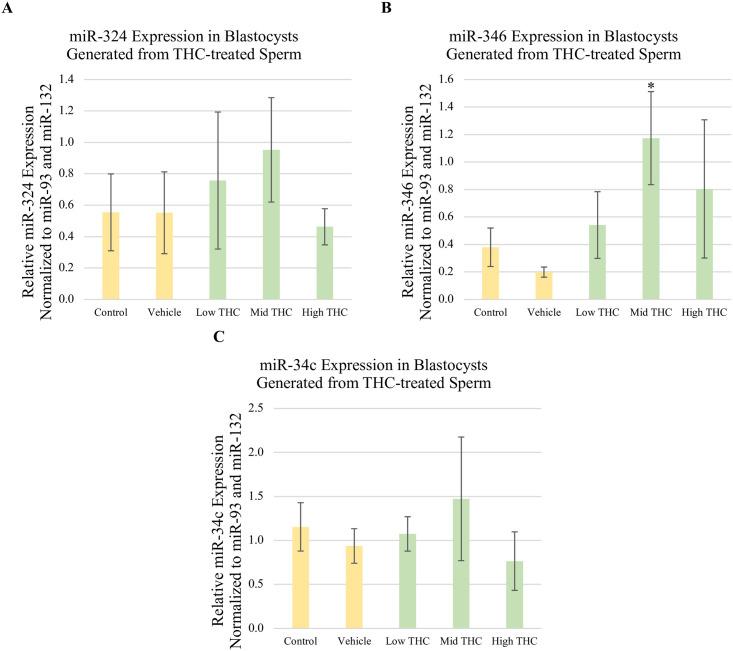
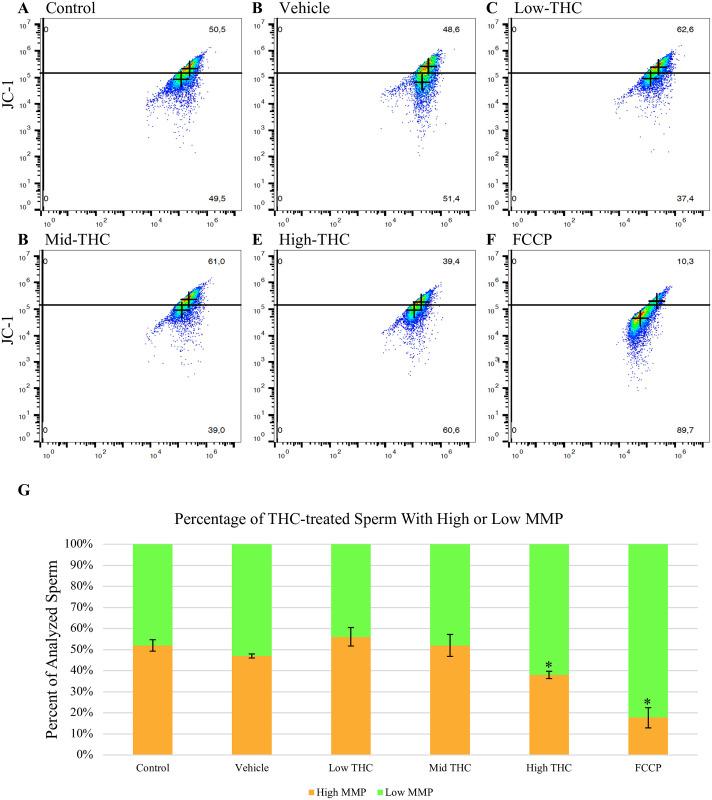
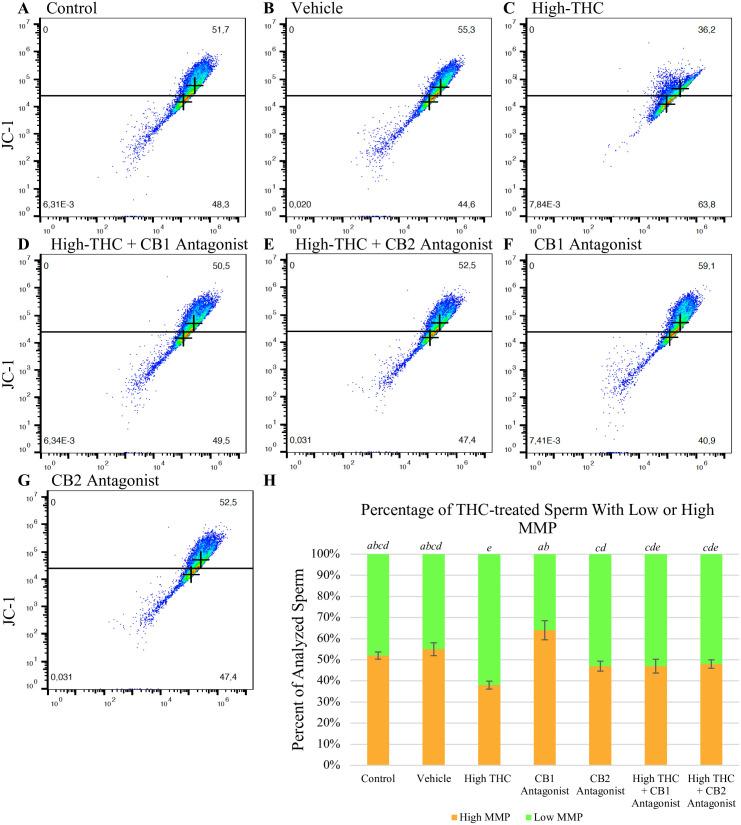
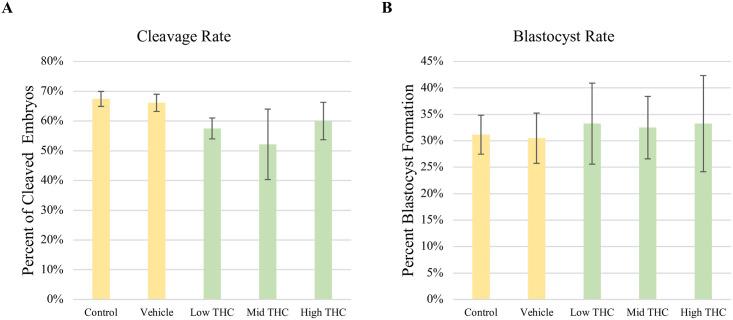
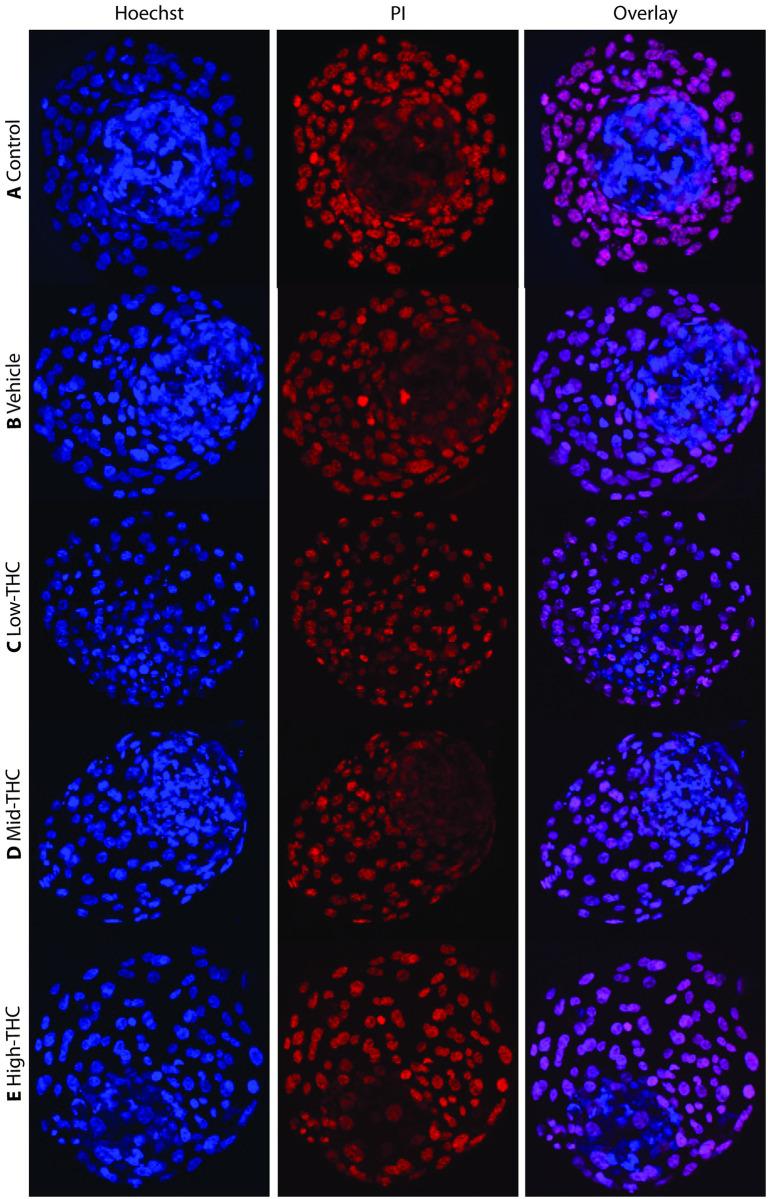
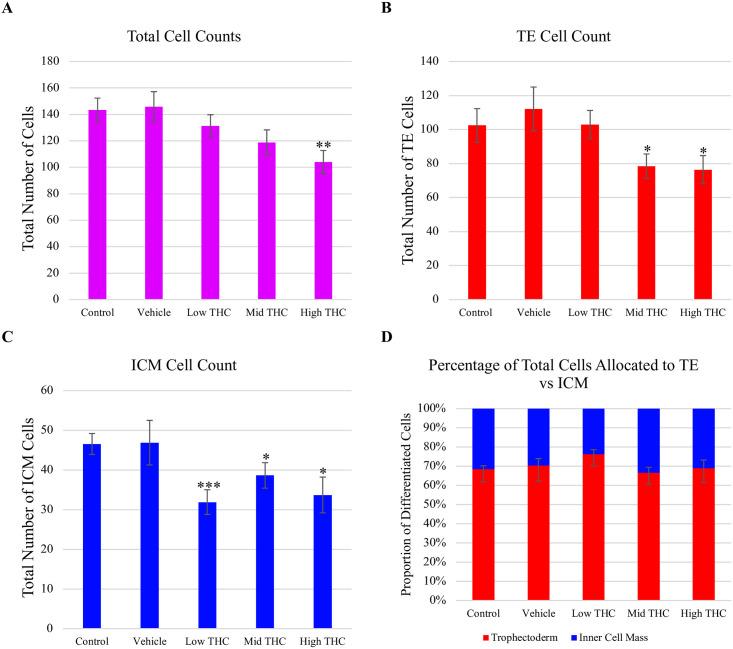
Global cannabis use has risen 23% since 2010, with 209 million reported users, most of whom are males of reproductive age. Delta-9-tetrahydrocannabinol (THC), the main psychoactive phytocannabinoid in cannabis, disrupts pro-homeostatic functions of the endocannabinoid system (ECS) within the male reproductive system. The ECS is highly involved in regulating morpho-functional and intrinsic sperm features that are required for fertilization and pre-implantation embryo development. Previous work by our group demonstrated that THC altered sperm capacitation and the transcriptome, including several fertility-associated microRNAs (miRs). Despite the prevalent use of cannabis among males of reproductive age, clinical and pre-clinical research investigating the impact of paternal cannabis on sperm function and the outcomes of artificial reproductive technologies (ARTs) remains inconclusive. Therefore, the present study investigates the impact of in vitro THC exposure on morpho-functional and intrinsic sperm functions, including contributions to embryo development following IVF. Bovine sperm were used as a translational model for human and treated with concentrations of THC that reflect plasma levels after therapeutic (0.032μM), and low (0.32μM)-high (4.8μM) recreational cannabis use. After 6-hours of treatment, THC did not alter the acrosomal reaction, but 4.8μM significantly reduced mitochondrial membrane potential (MMP) (p<0.05), primarily through agonistic interactions with CB-receptors. Fertilization of bovine oocytes with THC-treated sperm did not alter developmental rates, but blastocysts generated from sperm treated with 0.32-4.8μM THC had fewer trophoblasts (p<0.05), while blastocysts generated from sperm exposed to any concentration of THC had fewer cells in the inner cell mass (ICM), particularly within the 0.032μM group (p<0.001). Fertility associated miRs, including miR-346, miR-324, miR-33b, and miR-34c were analyzed in THC-exposed sperm and associated blastocysts generated by IVF, with lower levels of miRs-346, -324, and -33b found in sperm treated with 0.32μM THC, while miR-34c levels were higher in sperm treated with 0.032μM THC (p<0.05). Levels of miR-346 were also lower in sperm treated with 0.032μM THC, but higher in blastocysts generated from sperm exposed to 0.32μM THC (p<0.05). Our findings suggest that THC may alter key morpho-functional and epigenetic sperm factors involved in fertilization and embryo development. This is the first study to demonstrate that sperm exposed to THC in vitro negatively affects embryo quality following IVF.
全球大麻使用率自 2010 年以来上升了 23%,报告使用者达 2.09 亿人,其中大多数为生殖年龄男性。大麻中的主要精神活性植物大麻素——Δ-9-四氢大麻酚(THC),破坏了男性生殖系统内内源性大麻素系统(ECS)的稳态功能。ECS 高度参与调节形态功能和内在精子特征,这些特征是受精和胚胎着床前发育所必需的。我们小组之前的工作表明,THC 改变了精子获能和转录组,包括几种与生育相关的 microRNAs(miRs)。尽管生殖年龄男性普遍使用大麻,但关于父代大麻对精子功能和人工生殖技术(ARTs)结果影响的临床和临床前研究仍尚无定论。因此,本研究调查了体外 THC 暴露对形态功能和内在精子功能的影响,包括对 IVF 后胚胎发育的影响。牛精子被用作人类的转化模型,并以反映治疗后(0.032μM)和低(0.32μM)-高(4.8μM)娱乐性大麻使用后血浆水平的浓度进行处理。经过 6 小时的处理,THC 并没有改变顶体反应,但 4.8μM 显著降低了线粒体膜电位(MMP)(p<0.05),主要是通过与 CB 受体的激动作用。用 THC 处理过的精子使牛卵母细胞受精不会改变发育率,但用 0.32-4.8μM THC 处理过的精子产生的囊胚中滋养层较少(p<0.05),而用任何浓度 THC 处理过的精子产生的囊胚中内细胞团(ICM)的细胞较少,尤其是在 0.032μM 组中(p<0.001)。分析了暴露于 THC 的精子和通过 IVF 产生的相关囊胚中的生育相关 miR,包括 miR-346、miR-324、miR-33b 和 miR-34c,发现用 0.32μM THC 处理的精子中 miR-346、-324 和 -33b 的水平较低,而用 0.032μM THC 处理的精子中 miR-34c 的水平较高(p<0.05)。用 0.032μM THC 处理的精子中 miR-346 的水平也较低,但在暴露于 0.32μM THC 的精子产生的囊胚中水平较高(p<0.05)。我们的研究结果表明,THC 可能改变参与受精和胚胎发育的关键形态功能和表观遗传精子因素。这是第一项表明体外接触 THC 的精子会对 IVF 后的胚胎质量产生负面影响的研究。


 Zotero 插件