
不同部位 Lour.多糖的结构与生物活性研究
Study of the Structure and Bioactivity of Polysaccharides from Different Parts of Lour.
机构信息
School of Pharmacy and Food Engineering, Wuyi University, Jiangmen 529020, China.
Guangdong Key Laboratory of Animal Conservation and Resource Utilization, Institute of Zoology, Guangdong Academy of Sciences, Guangzhou 510260, China.
出版信息
Molecules. 2024 Mar 18;29(6):1347. doi: 10.3390/molecules29061347.
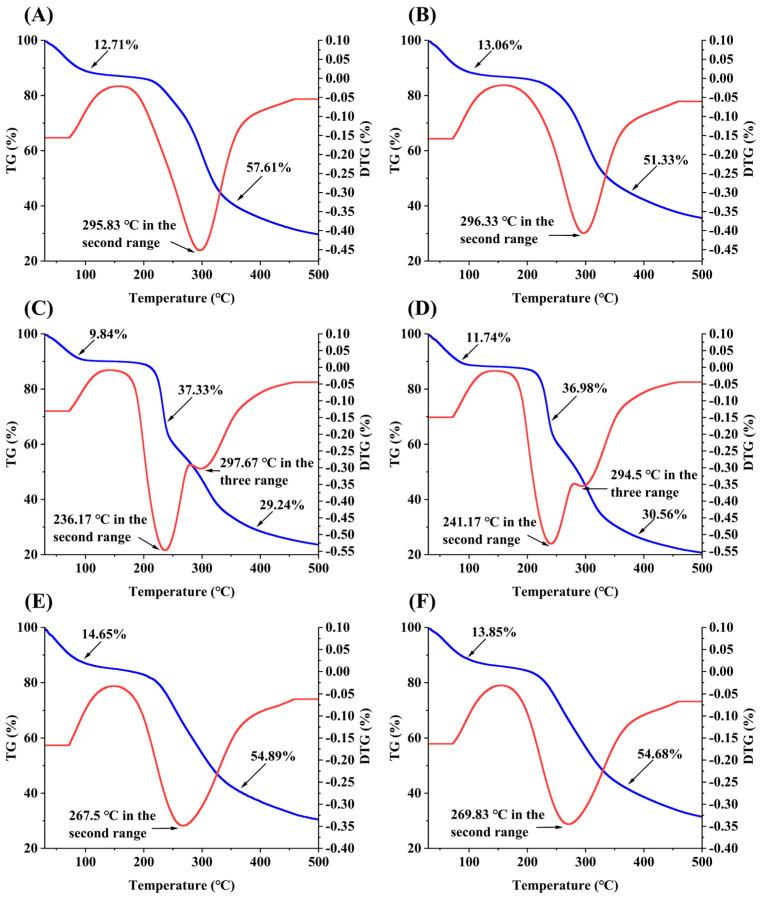
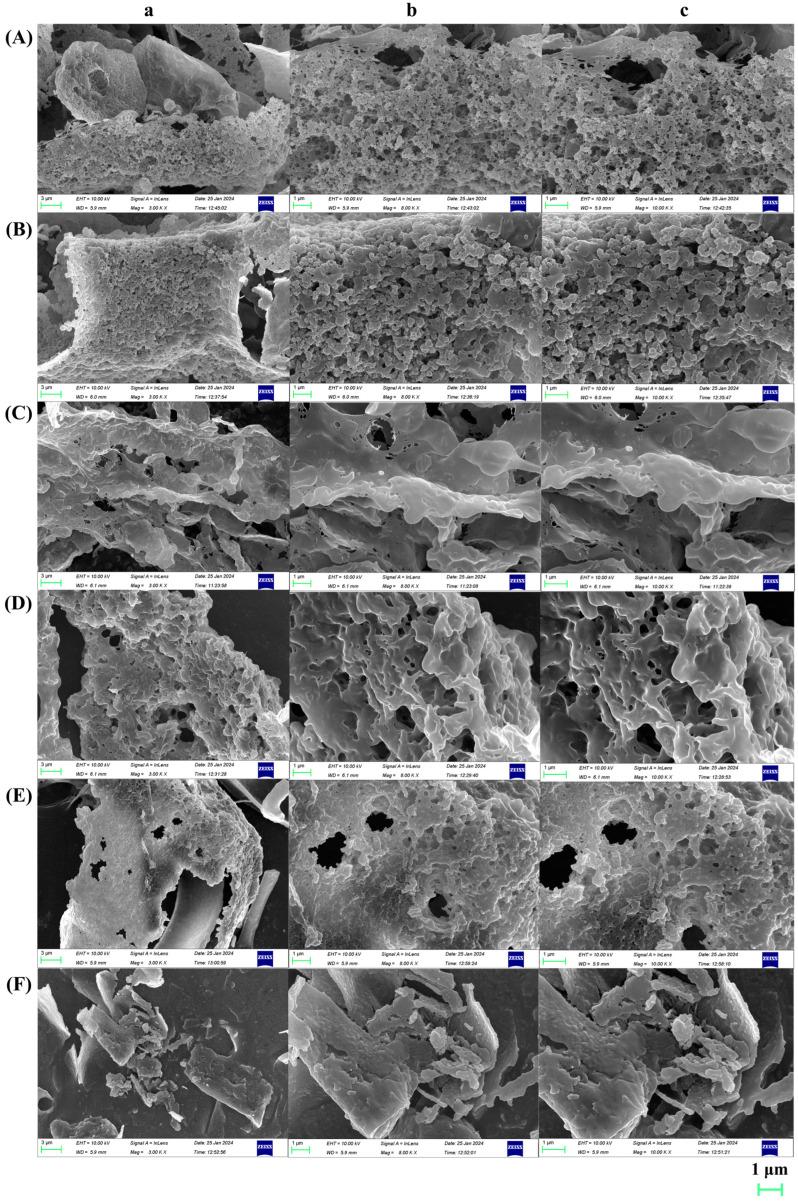
The polysaccharides from Lour, a kind of plant used in Chinese herbal medicine, have various pharmacological activities, such as anti-inflammatory and antioxidant properties. However, the effects of the extraction methods and the activity of polysaccharides from different parts are still unknown. Therefore, this study aimed to evaluate the effects of different extraction methods on the yields, chemical compositions, and bioactivity of polysaccharides extracted from different parts of Lour. Six polysaccharides were extracted from the leaves, roots, and stems of Lour through the use of hot water (i.e., SPS-L1, SPS-R1, and SPS-S1) and an ultrasound-assisted method (i.e., SPS-L2, SPS-R2, and SPS-S2). The results showed that the physicochemical properties, structural properties, and biological activity of the polysaccharides varied with the extraction methods and parts. SPS-R1 and SPS-R2 had higher extraction yields and total sugar contents than those of the other SPSs (SPS-L1, SPS-L2, SPS-S1, and SPS-S2). SPS-L1 had favorable antioxidant activity and the ability to downregulate MUC5AC expression. An investigation of the anti-inflammatory properties showed that SPS-R1 and SPS-R2 had greater anti-inflammatory activities, while SPS-R2 demonstrated the strongest anti-inflammatory potential. The results of this study indicated that SPS-L1 and SPS-L2, which were extracted from non-medicinal parts, may serve as potent natural antioxidants, but further study is necessary to explore their potential applications in the treatment of diseases. The positive anti-inflammatory effects of SPS-R1 and SPS-R2 in the roots may be further exploited in drugs for the treatment of inflammation.
从一种中药 Lour 中提取的多糖具有多种药理活性,如抗炎和抗氧化特性。然而,不同提取方法和不同部位多糖的活性的影响尚不清楚。因此,本研究旨在评估不同提取方法对 Lour 不同部位提取的多糖的得率、化学成分和生物活性的影响。通过热水(即 SPS-L1、SPS-R1 和 SPS-S1)和超声辅助方法(即 SPS-L2、SPS-R2 和 SPS-S2)从 Lour 的叶、根和茎中提取了六种多糖。结果表明,多糖的理化性质、结构性质和生物活性随提取方法和部位的不同而变化。SPS-R1 和 SPS-R2 的提取率和总糖含量均高于其他 SPS(SPS-L1、SPS-L2、SPS-S1 和 SPS-S2)。SPS-L1 具有良好的抗氧化活性和下调 MUC5AC 表达的能力。抗炎特性的研究表明,SPS-R1 和 SPS-R2 具有更强的抗炎活性,而 SPS-R2 表现出最强的抗炎潜力。本研究结果表明,从非药用部位提取的 SPS-L1 和 SPS-L2 可能作为有效的天然抗氧化剂,但需要进一步研究以探索其在治疗疾病中的潜在应用。根中 SPS-R1 和 SPS-R2 的积极抗炎作用可能会进一步应用于治疗炎症的药物中。

 Zotero 插件