
移植的人工羊膜在三度烧伤糖尿病小鼠模型中促进伤口愈合。
Transplanted artificial amnion membrane enhanced wound healing in third-degree burn injury diabetic mouse model.
作者信息
Arai Kenichi, Yoshida Satoshi, Furuichi Etsuko, Iwanaga Shintaroh, Mir Tanveer Ahmad, Yoshida Toshiko
机构信息
Department of Clinical Biomaterial Applied Science, Faculty of Medicine, University of Toyama, Toyama, Japan.
Department of Biotechnology, Faculty of Bioresource Sciences, Akita Prefectural University, Akita, Japan.
出版信息
Regen Ther. 2024 Mar 26;27:170-180. doi: 10.1016/j.reth.2024.03.016. eCollection 2024 Dec.
INTRODUCTION
Wound healing is severely compromised in patients with diabetes owing to factors such poor blood circulation, delayed immune response, elevated blood sugar levels, and neuropathy. Although the development of new wound healing products and prevention of serious complications such as infections in wounds have received substantial interest, wound healing remains a challenge in regenerative medicine. Burn wounds, especially third-degree burns, are difficult to treat because they are associated with immune and inflammatory reactions and distributive shock. Wound care and treatment that protects the burn site from infection and allows wound healing can be achieved with bioengineered wound dressings. However, few studies have reported effective dressings for third-degree burn wounds, making it important to develop new dressing materials.
METHODS
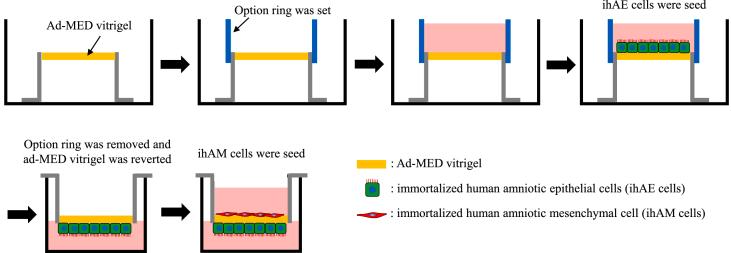
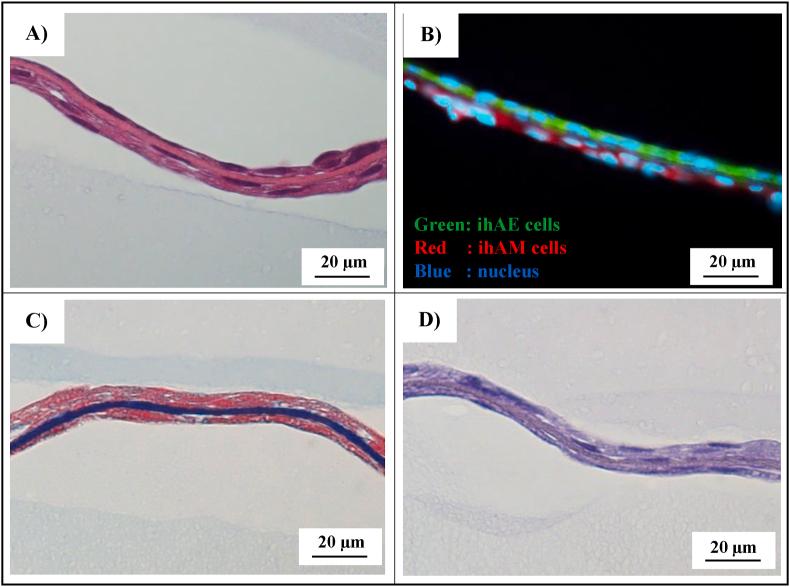
In this study, we developed an artificial amniotic membrane (AM) using epithelial and mesenchymal cells derived from human amnion as a novel dressing material. The artificial AM was applied to the wound of a diabetic third-degree burn model and its wound healing ability was evaluated.
RESULTS
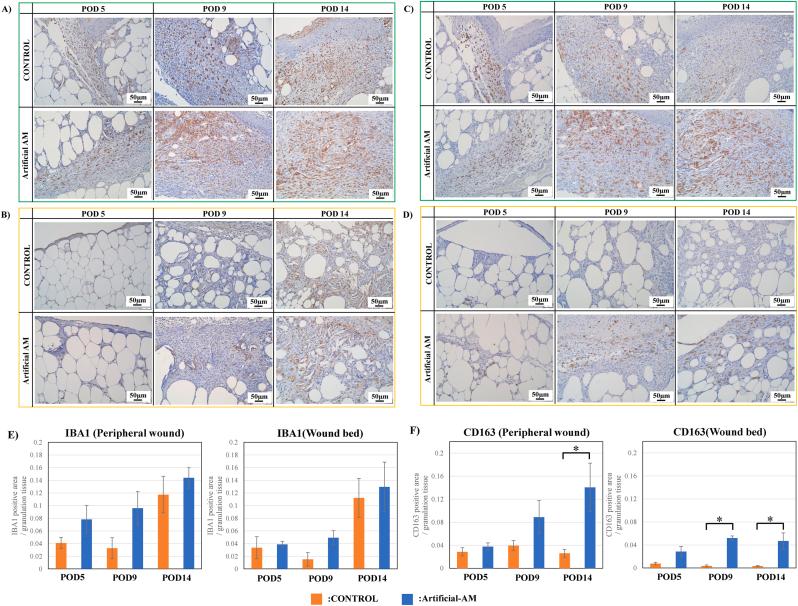
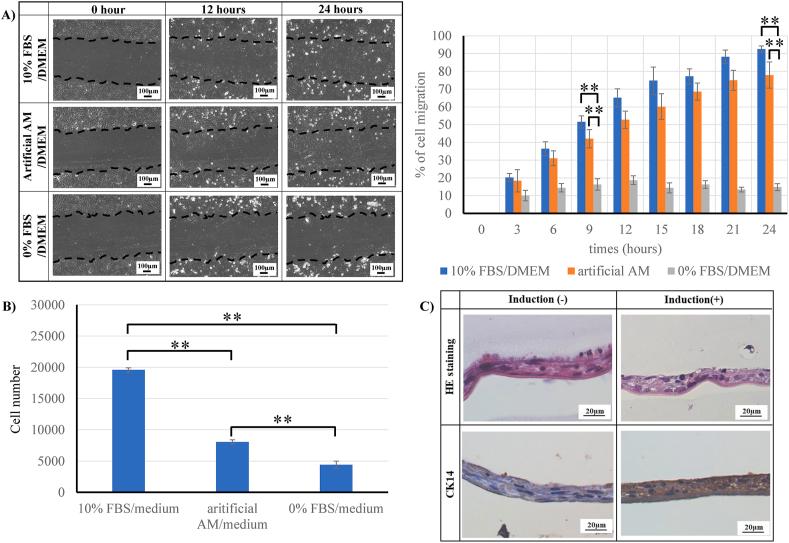
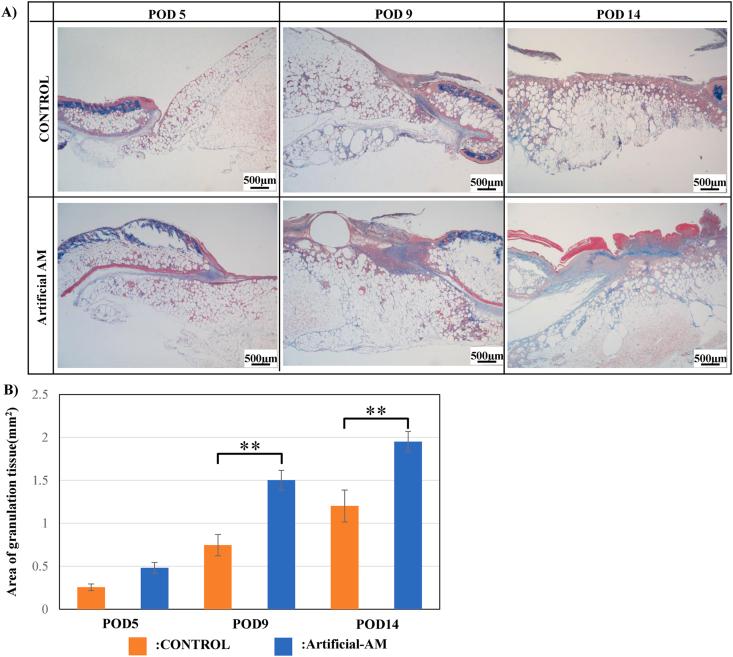
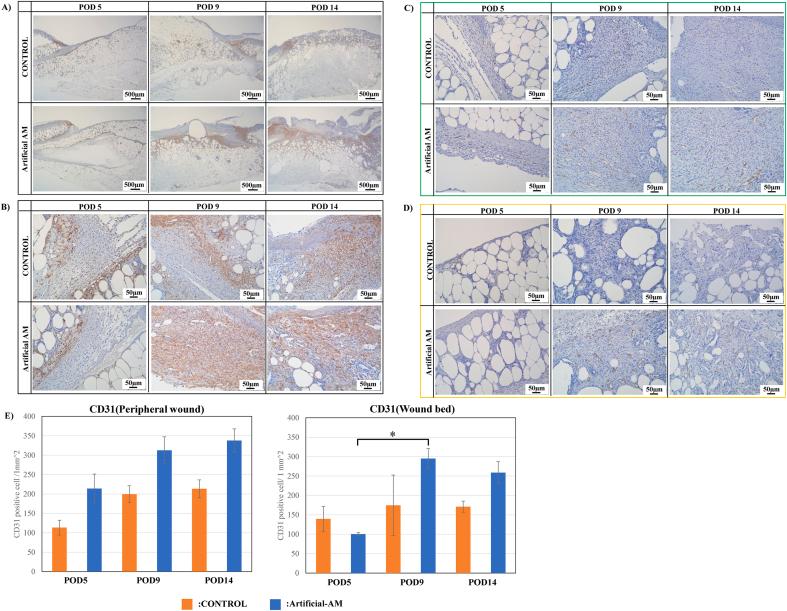
This artificial amnion produced multiple growth factors associated with angiogenesis, fibroblast proliferation, and anti-inflammation. In addition, angiogenesis and granulation tissue formation were promoted in the artificial AM-treated mouse group compared with the control group. Furthermore, the inflammatory phase was prolonged in the control group.
CONCLUSIONS
Our preliminary results indicate that the artificial AM might be useful as a new dressing for refractory ulcers and third-degree burns. This artificial AM-based material represents great potential for downstream clinical research and treatment of diabetes patients with third-degree burns.
引言
由于血液循环不良、免疫反应延迟、血糖水平升高和神经病变等因素,糖尿病患者的伤口愈合受到严重影响。尽管新型伤口愈合产品的开发以及伤口感染等严重并发症的预防已受到广泛关注,但伤口愈合在再生医学中仍然是一项挑战。烧伤创面,尤其是三度烧伤,由于其与免疫和炎症反应以及分布性休克相关,难以治疗。生物工程伤口敷料可实现保护烧伤部位免受感染并促进伤口愈合的伤口护理和治疗。然而,很少有研究报道针对三度烧伤创面的有效敷料,因此开发新型敷料材料很重要。
方法
在本研究中,我们使用源自人羊膜的上皮细胞和间充质细胞开发了一种人工羊膜(AM)作为新型敷料材料。将人工AM应用于糖尿病三度烧伤模型的伤口,并评估其伤口愈合能力。
结果
这种人工羊膜产生了多种与血管生成、成纤维细胞增殖和抗炎相关的生长因子。此外,与对照组相比,人工AM治疗的小鼠组中血管生成和肉芽组织形成得到促进。此外,对照组的炎症期延长。
结论
我们的初步结果表明,人工AM可能作为难治性溃疡和三度烧伤的新型敷料有用。这种基于人工AM的材料在糖尿病三度烧伤患者的下游临床研究和治疗中具有巨大潜力。


 Zotero 插件