
使用基于液滴的微流控平台优化用于快速生产磷酸钙微粒的可调谐工艺。
Optimization of a tunable process for rapid production of calcium phosphate microparticles using a droplet-based microfluidic platform.
作者信息
Alaoui Selsouli Y, Rho H S, Eischen-Loges M, Galván-Chacón V P, Stähli C, Viecelli Y, Döbelin N, Bohner M, Tahmasebi Birgani Z, Habibović P
机构信息
Department of Instructive Biomaterials Engineering, MERLN Institute for Technology-Inspired Regenerative Medicine, Maastricht University, Maastricht, Netherlands.
RMS Foundation, Bettlach, Switzerland.
出版信息
Front Bioeng Biotechnol. 2024 Mar 27;12:1352184. doi: 10.3389/fbioe.2024.1352184. eCollection 2024.
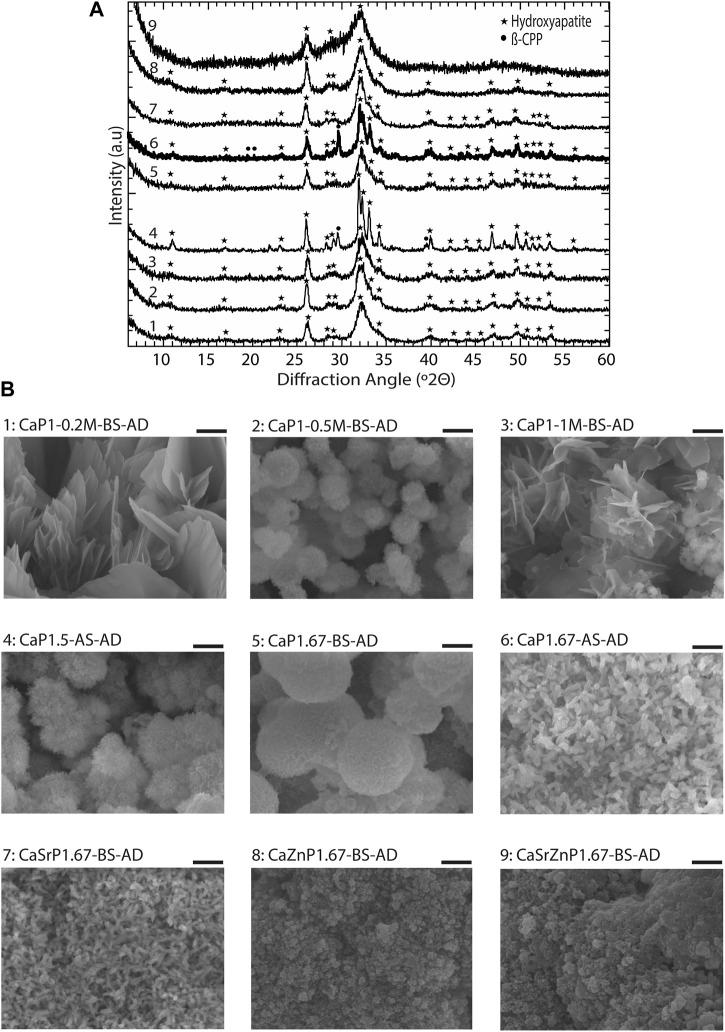
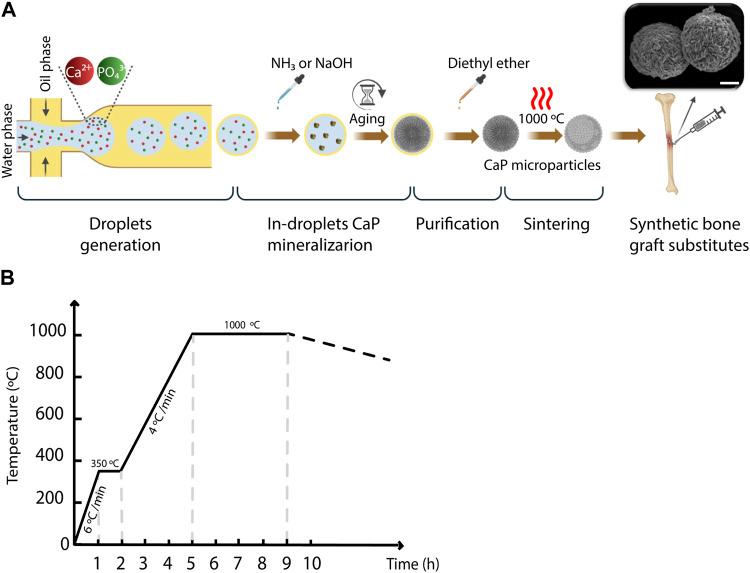
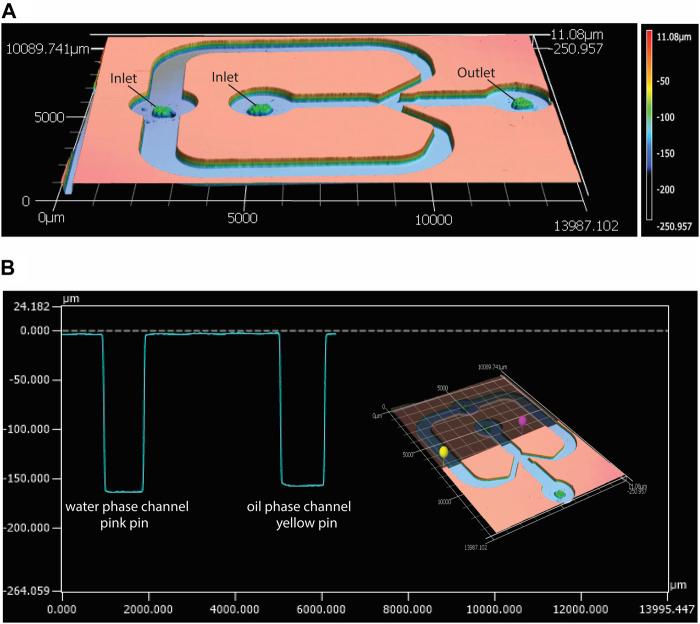
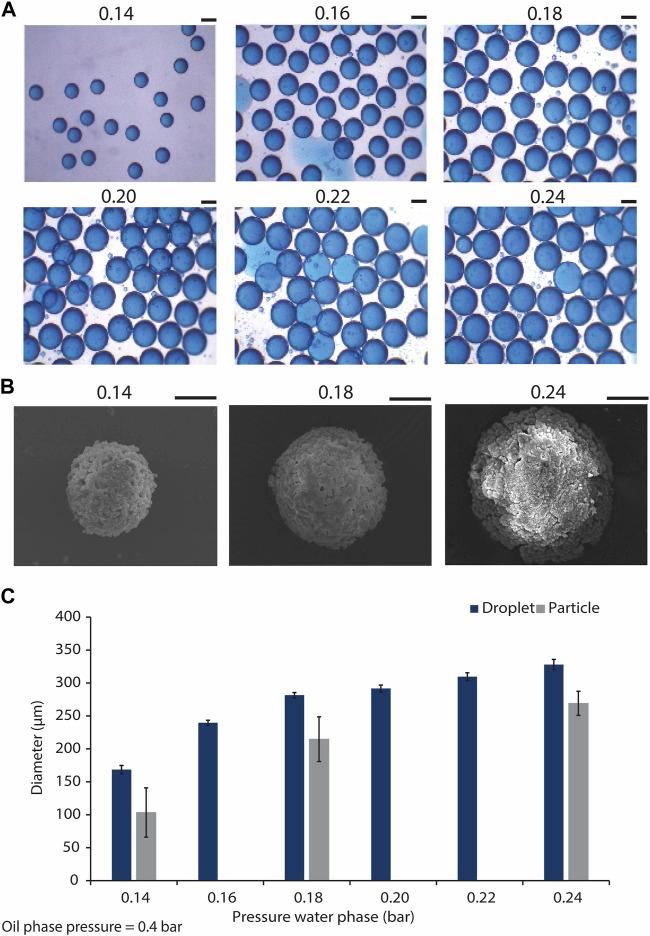
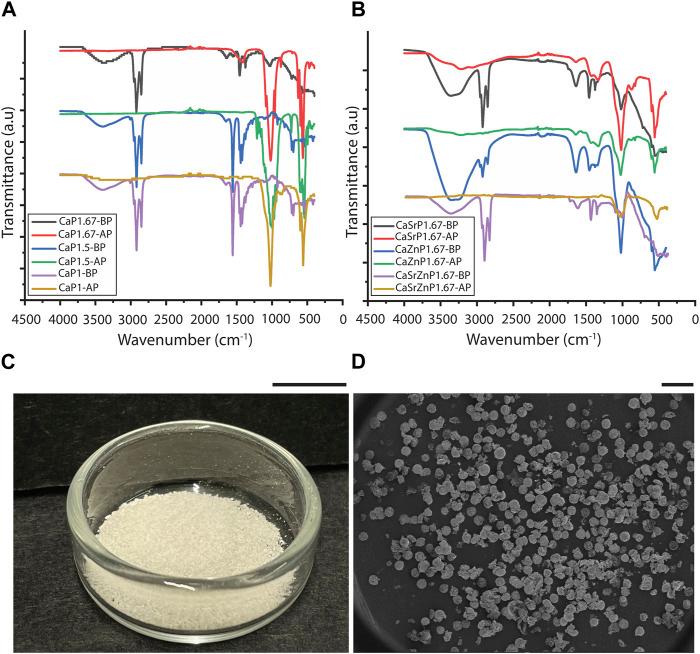
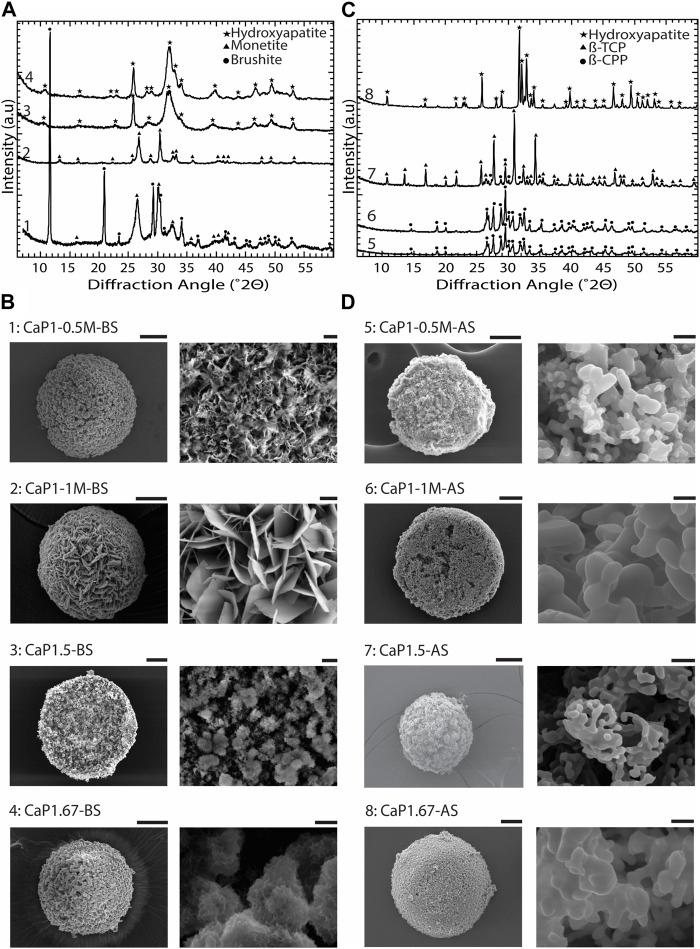
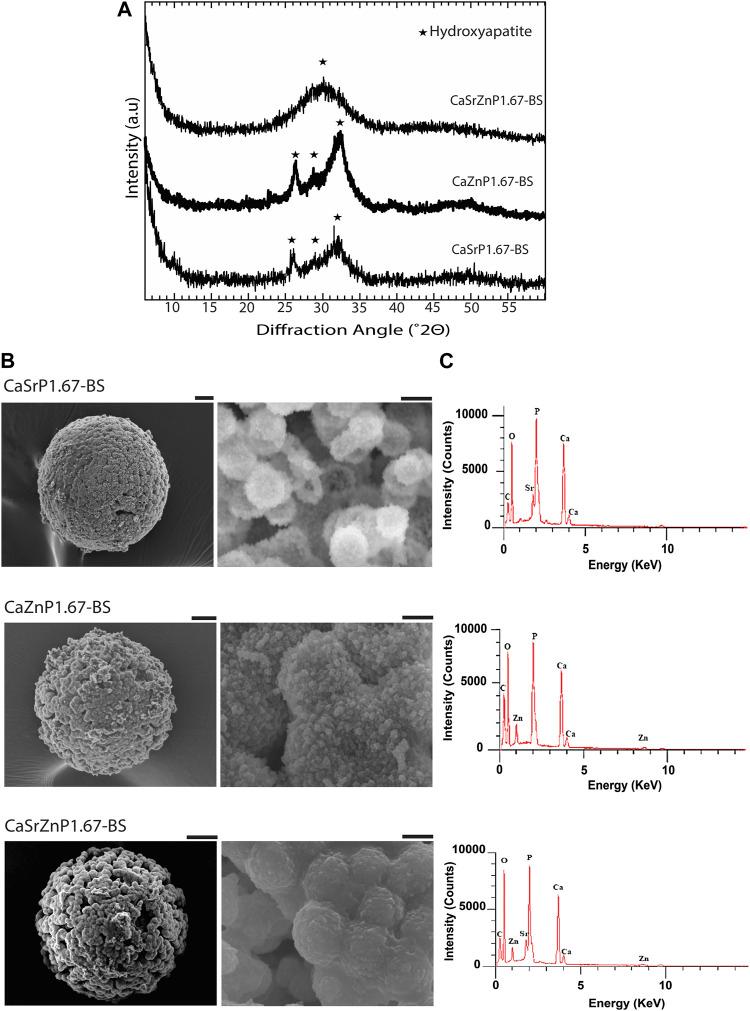
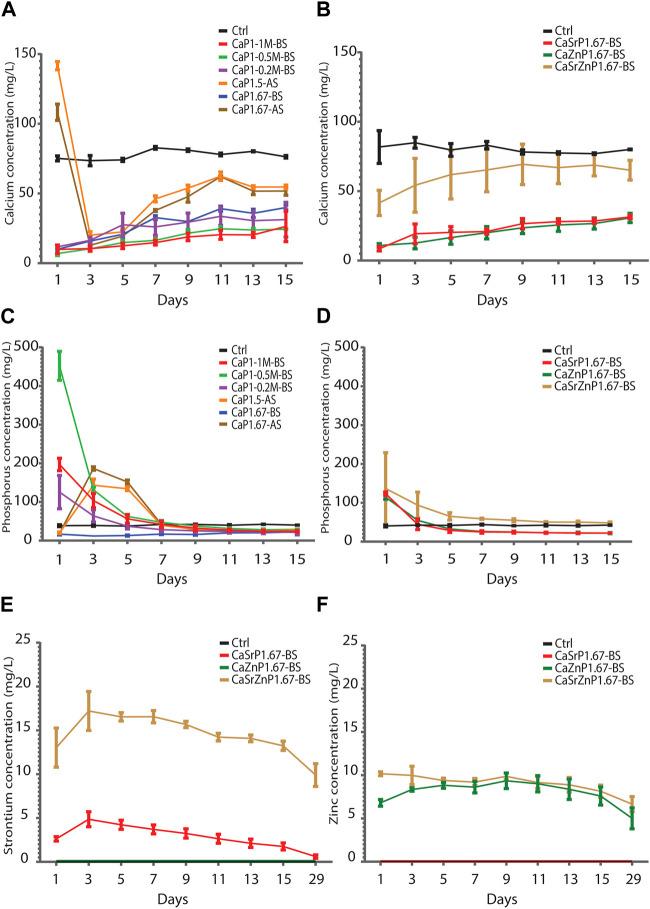
Calcium phosphate (CaP) biomaterials are amongst the most widely used synthetic bone graft substitutes, owing to their chemical similarities to the mineral part of bone matrix and off-the-shelf availability. However, their ability to regenerate bone in critical-sized bone defects has remained inferior to the gold standard autologous bone. Hence, there is a need for methods that can be employed to efficiently produce CaPs with different properties, enabling the screening and consequent fine-tuning of the properties of CaPs towards effective bone regeneration. To this end, we propose the use of droplet microfluidics for rapid production of a variety of CaP microparticles. Particularly, this study aims to optimize the steps of a droplet microfluidic-based production process, including droplet generation, in-droplet CaP synthesis, purification and sintering, in order to obtain a library of CaP microparticles with fine-tuned properties. The results showed that size-controlled, monodisperse water-in-oil microdroplets containing calcium- and phosphate-rich solutions can be produced using a flow-focusing droplet-generator microfluidic chip. We optimized synthesis protocols based on in-droplet mineralization to obtain a range of CaP microparticles without and with inorganic additives. This was achieved by adjusting synthesis parameters, such as precursor concentration, pH value, and aging time, and applying heat treatment. In addition, our results indicated that the synthesis and fabrication parameters of CaPs in this method can alter the microstructure and the degradation behavior of CaPs. Overall, the results highlight the potential of the droplet microfluidic platform for engineering CaP microparticle biomaterials with fine-tuned properties.
磷酸钙(CaP)生物材料是应用最为广泛的合成骨移植替代物之一,这归因于它们在化学性质上与骨基质的矿物质部分相似,且可现货供应。然而,它们在临界尺寸骨缺损中再生骨的能力仍逊于金标准自体骨。因此,需要采用一些方法来高效生产具有不同特性的CaP,以便筛选并进而微调CaP的特性以实现有效的骨再生。为此,我们提议使用微流控液滴技术快速生产多种CaP微粒。具体而言,本研究旨在优化基于微流控液滴的生产工艺步骤,包括液滴生成、液滴内CaP合成、纯化和烧结,以获得一系列特性经过微调的CaP微粒库。结果表明,使用流动聚焦液滴发生器微流控芯片可以生产出尺寸可控、单分散的油包水微滴,其中含有富含钙和磷的溶液。我们基于液滴内矿化优化了合成方案,以获得一系列添加和未添加无机添加剂的CaP微粒。这是通过调整合成参数(如前驱体浓度、pH值和老化时间)并进行热处理来实现的。此外,我们的结果表明,该方法中CaP的合成和制备参数可以改变CaP的微观结构和降解行为。总体而言,这些结果凸显了微流控液滴平台在制备特性经过微调的CaP微粒生物材料方面的潜力。

 Zotero 插件