
比较转录组分析描绘了高原适应物种华西雨蛙(Rana kukunoris)对高寒环境的适应策略。
Comparative transcriptomic analysis delineates adaptation strategies of Rana kukunoris toward cold stress on the Qinghai-Tibet Plateau.
机构信息
Department of Animal and Biomedical Sciences, School of Life Sciences, Lanzhou University, Lanzhou, China.
State Key Laboratory of Herbage Improvement and Grassland Agro-ecosystems, College of Ecology, Lanzhou University, Lanzhou, China.
出版信息
BMC Genomics. 2024 Apr 12;25(1):363. doi: 10.1186/s12864-024-10248-8.
BACKGROUND
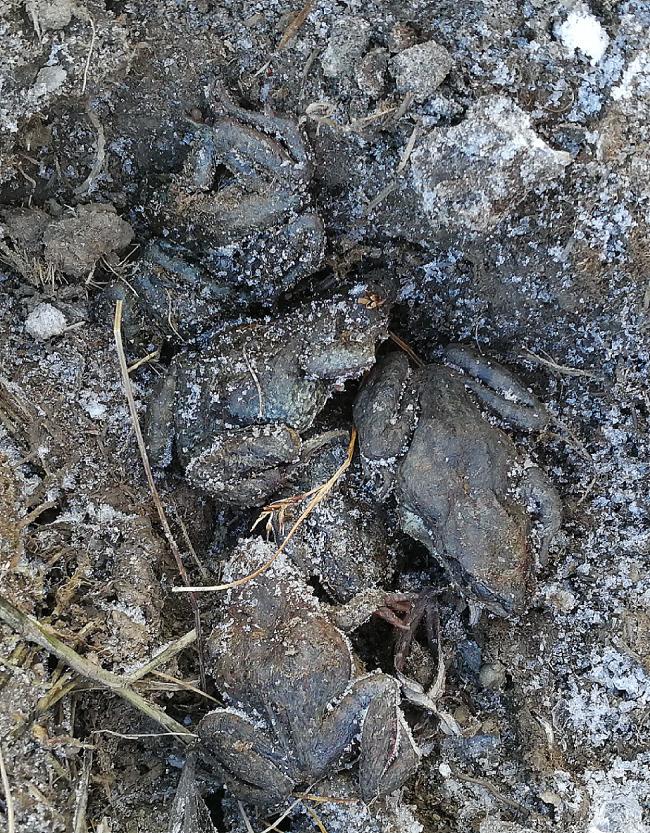
Cold hardiness is fundamental for amphibians to survive during the extremely cold winter on the Qinghai-Tibet plateau. Exploring the gene regulation mechanism of freezing-tolerant Rana kukunoris could help us to understand how the frogs survive in winter.
RESULTS
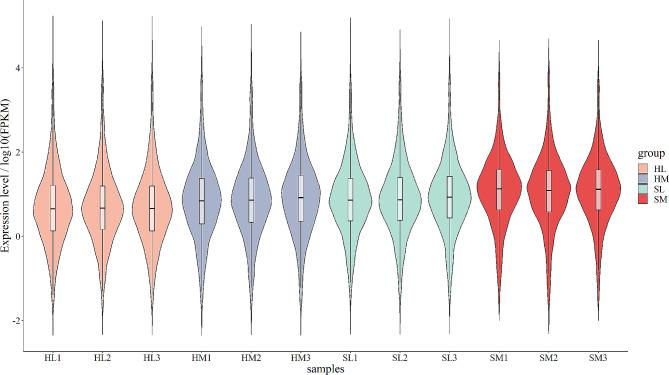
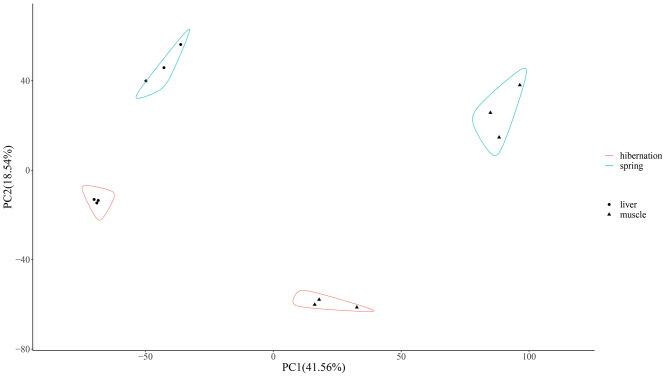
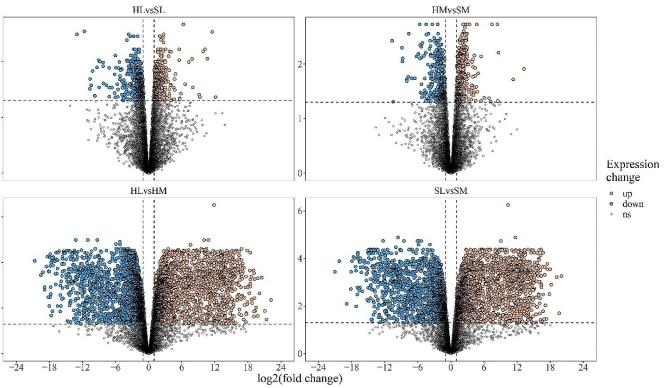
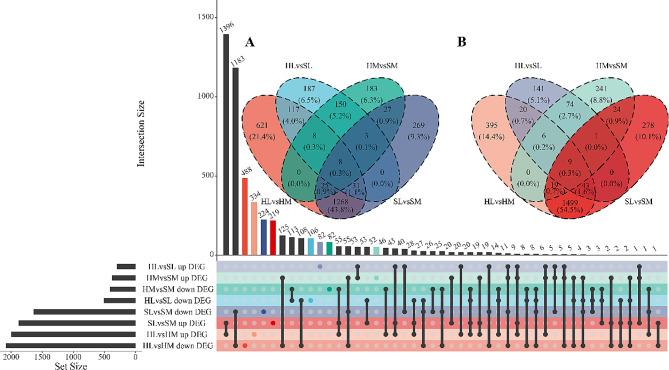
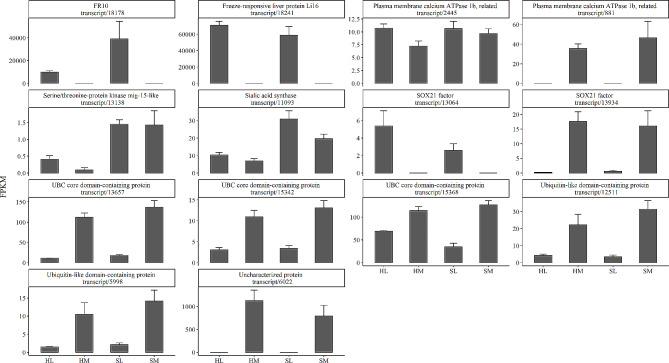
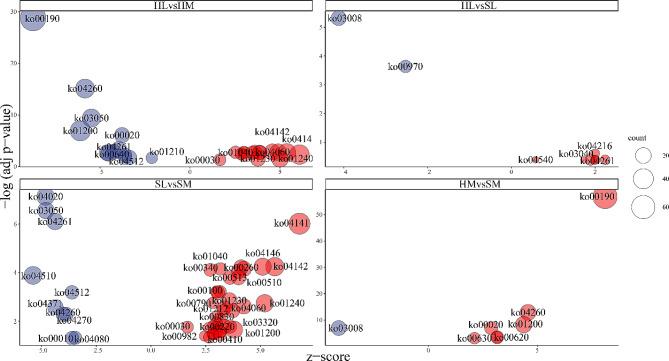
Transcriptome of liver and muscle of R. kukunoris collected in hibernation and spring were assisted by single molecule real-time (SMRT) sequencing technology. A total of 10,062 unigenes of R. kukunoris were obtained, and 9,924 coding sequences (CDS) were successfully annotated. Our examination of the mRNA response to whole body freezing and recover in the frogs revealed key genes concerning underlying antifreeze proteins and cryoprotectants (glucose and urea). Functional pathway analyses revealed differential regulated pathways of ribosome, energy supply, and protein metabolism which displayed a freeze-induced response and damage recover. Genes related to energy supply in the muscle of winter frogs were up-regulated compared with the muscle of spring frogs. The liver of hibernating frogs maintained modest levels of protein synthesis in the winter. In contrast, the liver underwent intensive high levels of protein synthesis and lipid catabolism to produce substantial quantity of fresh proteins and energy in spring. Differences between hibernation and spring were smaller than that between tissues, yet the physiological traits of hibernation were nevertheless passed down to active state in spring.
CONCLUSIONS
Based on our comparative transcriptomic analyses, we revealed the likely adaptive mechanisms of R. kukunoris. Ultimately, our study expands genetic resources for the freezing-tolerant frogs.
背景
耐寒性是两栖动物在青藏高原极寒冬季生存的基础。探索耐寒的华西雨蛙(Rana kukunoris)的基因调控机制有助于我们了解青蛙如何在冬季生存。
结果
我们利用单分子实时(SMRT)测序技术对冬眠和春季采集的华西雨蛙的肝脏和肌肉组织进行了转录组分析。共获得 10062 条华西雨蛙的 unigenes,成功注释了 9924 条编码序列(CDS)。我们对青蛙全身冷冻和恢复过程中的 mRNA 反应进行了研究,发现了与抗冻蛋白和防冻剂(葡萄糖和尿素)相关的关键基因。功能途径分析显示,核糖体、能量供应和蛋白质代谢的差异调节途径显示出冷冻诱导的反应和损伤恢复。与春季青蛙的肌肉相比,冬季青蛙肌肉中与能量供应相关的基因上调。冬眠青蛙的肝脏在冬季保持适度的蛋白质合成水平。相比之下,肝脏在春季经历了剧烈的高水平蛋白质合成和脂质分解代谢,以产生大量的新鲜蛋白质和能量。冬眠和春季之间的差异小于组织之间的差异,但冬眠的生理特征仍然传递到春季的活跃状态。
结论
基于我们的比较转录组分析,揭示了华西雨蛙可能的适应机制。最终,我们的研究扩展了耐寒青蛙的遗传资源。

 Zotero 插件