
应对慢性肩部疼痛中的运动恐惧:关于疼痛教育与全身冷冻刺激联合效果的病例报告
Tackling Kinesiophobia in Chronic Shoulder Pain: A Case Report on the Combined Effect of Pain Education and Whole-Body Cryostimulation.
作者信息
Alito Angelo, Cifalinò Mariachiara Elisabetta, Fontana Jacopo Maria, Verme Federica, Piterà Paolo, Capodaglio Paolo
机构信息
Department of Biomedical, Dental Sciences and Morphological and Functional Images, University of Messina, 98125 Messina, Italy.
Research Laboratory in Biomechanics, Rehabilitation and Ergonomics, IRCCS, Istituto Auxologico Italiano, San Giuseppe Hospital, Piancavallo, 28824 Verbania, Italy.
出版信息
J Clin Med. 2024 Apr 3;13(7):2094. doi: 10.3390/jcm13072094.
BACKGROUND
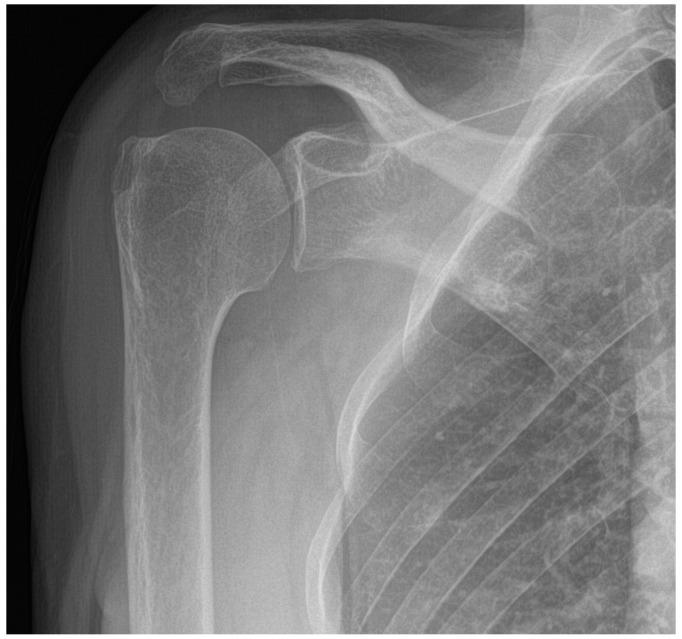
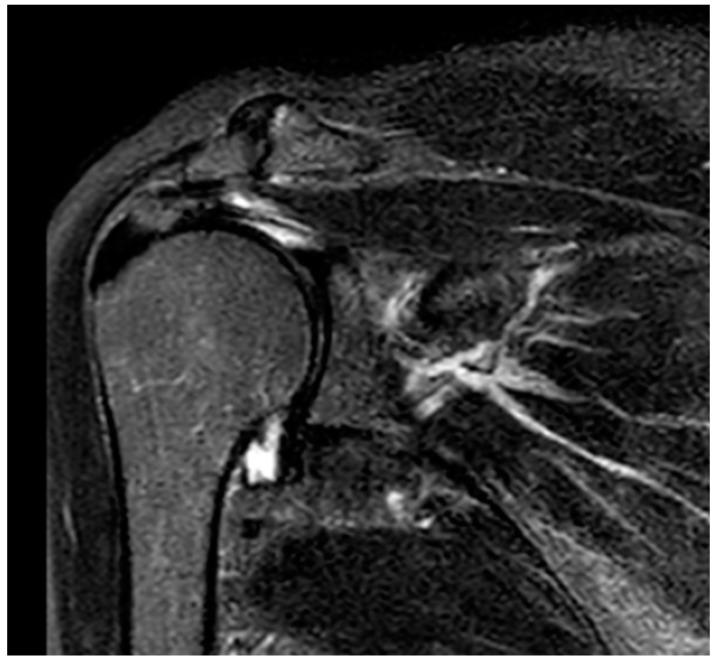
Chronic shoulder pain may cause significant functional disability and reduced psychosocial well-being. Detailed Case Description: In this case, we propose the use of pain neuroscience education and whole-body cryostimulation (WBC) to treat a 64-year-old woman with severe functional limitations and chronic right shoulder pain. The aim was to overcome kinesiophobia and improve her motor function, autonomy, and quality of life. Functional and clinical assessments were conducted at admission, discharge, and at a one-month follow-up via phone call. The patient's global health, shoulder function, and quality of life showed improvement during hospitalisation and were maintained after one month.
DISCUSSION
Pain education is crucial in managing chronic shoulder pain, especially in addressing kinesiophobia and promoting positive patient outcomes. In this context, WBC was used as a supplementary treatment to traditional pain relief and exercise tolerance therapies. This can help individuals to participate more actively in their rehabilitation process, ultimately promoting functional recovery and an improved quality of life.
CONCLUSION
The combination of cryostimulation, tailored physical exercises, pain education, manual therapy, and psychological support created a synergistic effect that addressed both the physical and psychological aspects of pain and kinesiophobia.
背景
慢性肩部疼痛可能导致严重的功能障碍和心理社会幸福感下降。详细病例描述:在本病例中,我们建议使用疼痛神经科学教育和全身冷冻刺激(WBC)来治疗一名64岁的女性,她存在严重的功能受限和慢性右肩疼痛。目的是克服运动恐惧,改善她的运动功能、自主性和生活质量。在入院时、出院时以及通过电话进行的一个月随访时进行了功能和临床评估。患者的整体健康状况、肩部功能和生活质量在住院期间有所改善,并在一个月后得以维持。
讨论
疼痛教育在管理慢性肩部疼痛方面至关重要,特别是在解决运动恐惧和促进积极的患者预后方面。在这种情况下,WBC被用作传统疼痛缓解和运动耐量疗法的辅助治疗。这可以帮助个体更积极地参与康复过程,最终促进功能恢复和生活质量的提高。
结论
冷冻刺激、量身定制的体育锻炼、疼痛教育、手法治疗和心理支持相结合产生了协同效应,解决了疼痛和运动恐惧的身体和心理方面问题。



 Zotero 插件