
糖类调节——己糖新出现的免疫调节作用
Sweet regulation - The emerging immunoregulatory roles of hexoses.
作者信息
Xu Junjie, Zhao Yuening, Tyler Mertens Randall, Ding Yimin, Xiao Peng
机构信息
Sir Run Run Shaw Hospital, Zhejiang University School of Medicine, Hangzhou, China.
Department of Immunology, Harvard Medical School, Boston, MA, USA.
出版信息
J Adv Res. 2025 Mar;69:361-379. doi: 10.1016/j.jare.2024.04.014. Epub 2024 Apr 15.
BACKGROUND
It is widely acknowledged that dietary habits have profound impacts on human health and diseases. As the most important sweeteners and energy sources in human diets, hexoses take part in a broad range of physiopathological processes. In recent years, emerging evidence has uncovered the crucial roles of hexoses, such as glucose, fructose, mannose, and galactose, in controlling the differentiation or function of immune cells.
AIM OF REVIEW
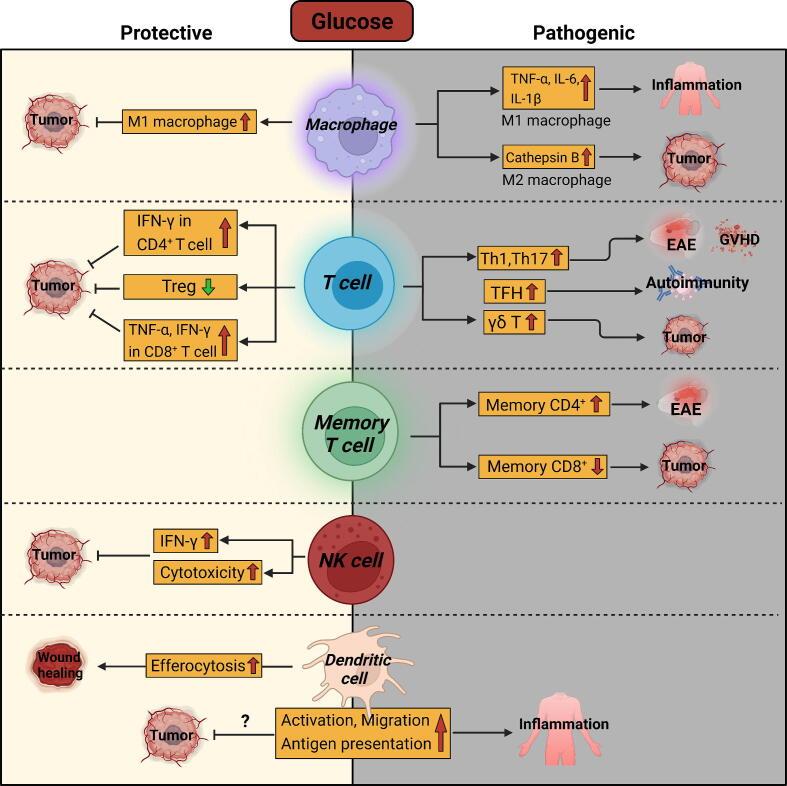
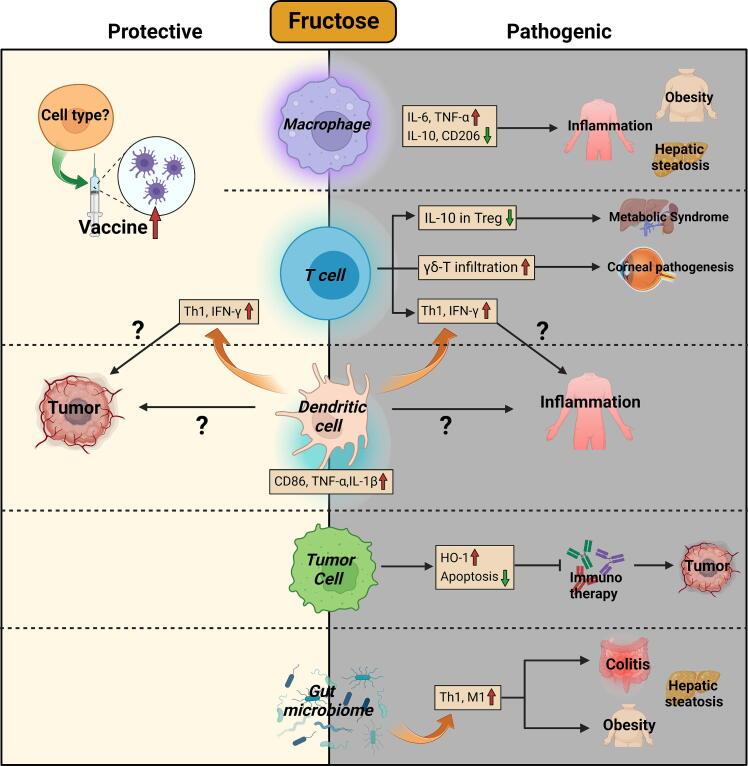
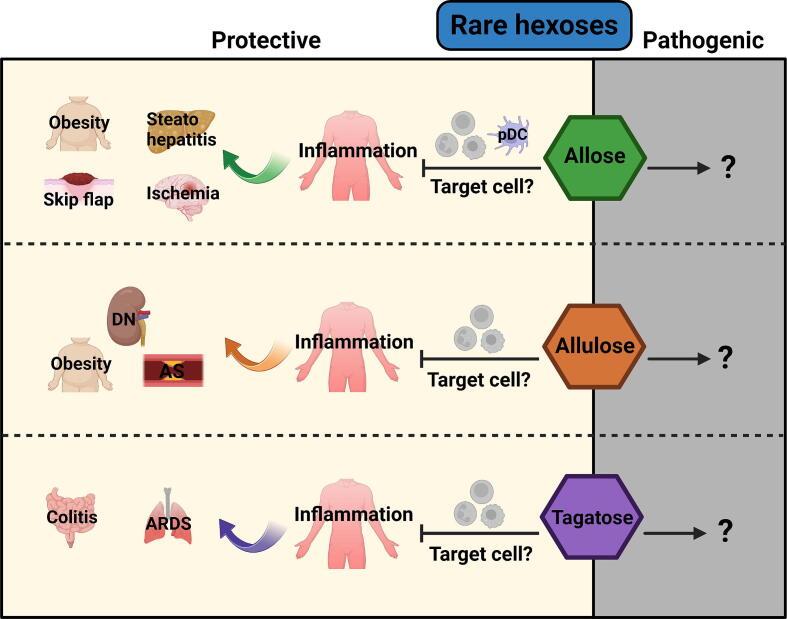
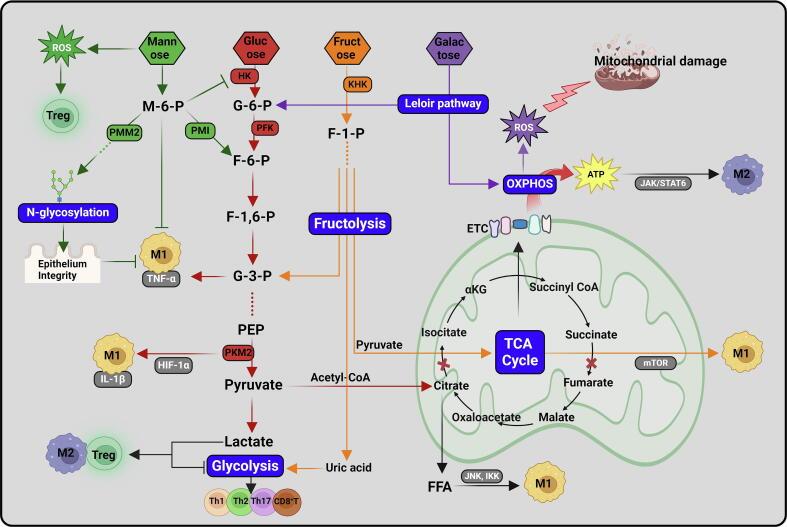
Herein, we reviewed the latest research progresses in the hexose-mediated modulation of immune responses, provided in-depth analyses of the underlying mechanisms, and discussed the unresolved issues in this field.
KEY SCIENTIFIC CONCEPTS OF REVIEW
Owing to their immunoregulatory effects, hexoses affect the onset and progression of various types of immune disorders, including inflammatory diseases, autoimmune diseases, and tumor immune evasion. Thus, targeting hexose metabolism is becoming a promising strategy for reversing immune abnormalities in diseases.
背景
饮食习惯对人类健康和疾病有着深远影响,这一点已得到广泛认可。己糖作为人类饮食中最重要的甜味剂和能量来源,参与了广泛的生理病理过程。近年来,新出现的证据揭示了葡萄糖、果糖、甘露糖和半乳糖等己糖在控制免疫细胞分化或功能方面的关键作用。
综述目的
在此,我们综述了己糖介导免疫反应调节的最新研究进展,深入分析了其潜在机制,并讨论了该领域尚未解决的问题。
综述的关键科学概念
由于己糖具有免疫调节作用,它们会影响各种类型免疫紊乱的发生和发展,包括炎症性疾病、自身免疫性疾病和肿瘤免疫逃逸。因此,靶向己糖代谢正成为逆转疾病中免疫异常的一种有前景的策略。




 Zotero 插件