
通过KOH活化从竹炭获得的多孔生物炭去除亚甲基蓝。
Removal of methylene blue by porous biochar obtained by KOH activation from bamboo biochar.
作者信息
Ge Qing, Li Peng, Liu Miao, Xiao Guo-Ming, Xiao Zhu-Qian, Mao Jian-Wei, Gai Xi-Kun
机构信息
Zhejiang Provincial Collaborative Innovation Center of Agricultural Biological Resources Biochemical Manufacturing, Key Laboratory of Chemical and Biological Processing Technology for Farm Products of Zhejiang Province, School of Biological and Chemical Engineering, Zhejiang University of Science and Technology, Hangzhou, 310023, Zhejiang, People's Republic of China.
Zhejiang Industrial Vocational and Technical College, Shaoxing, 312099, Zhejiang, People's Republic of China.
出版信息
Bioresour Bioprocess. 2023 Aug 16;10(1):51. doi: 10.1186/s40643-023-00671-2.
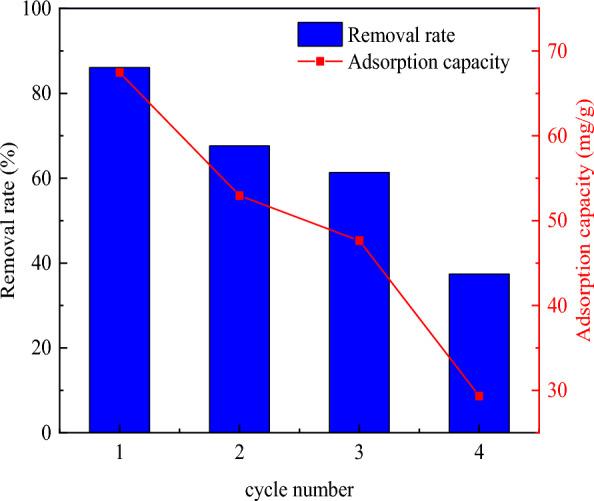
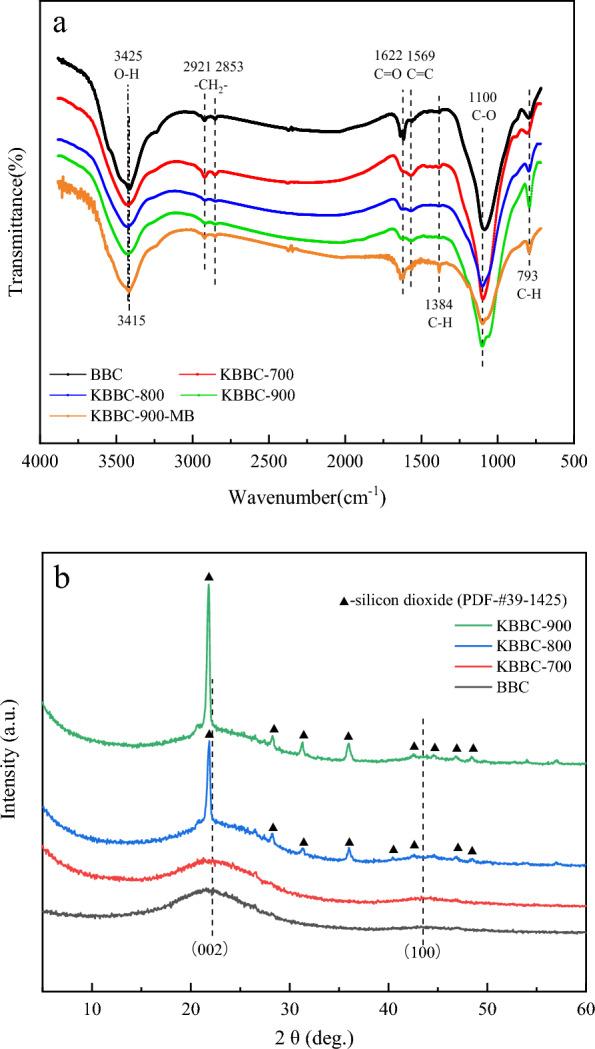
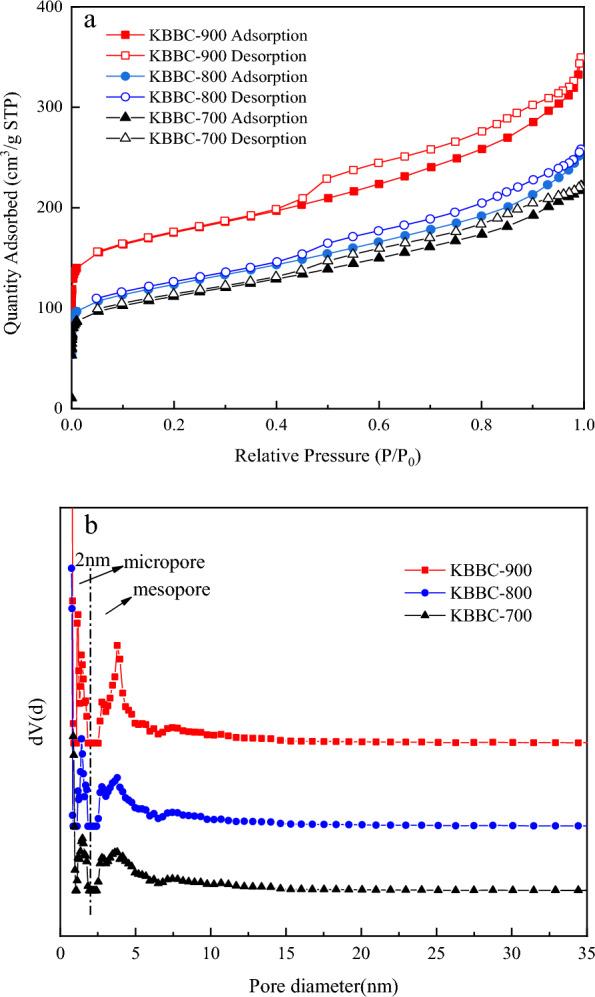
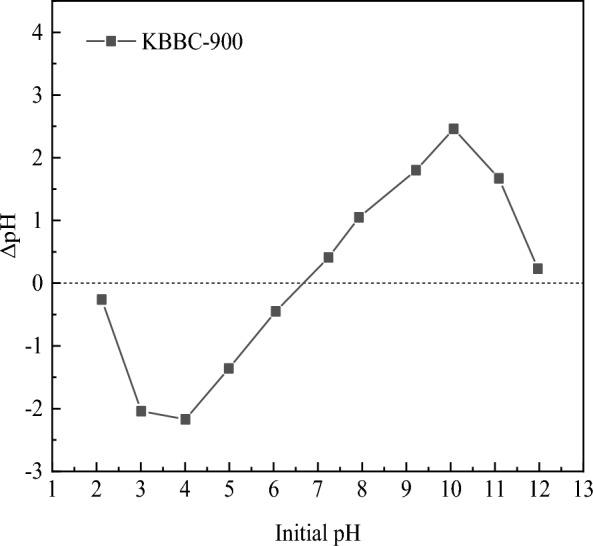
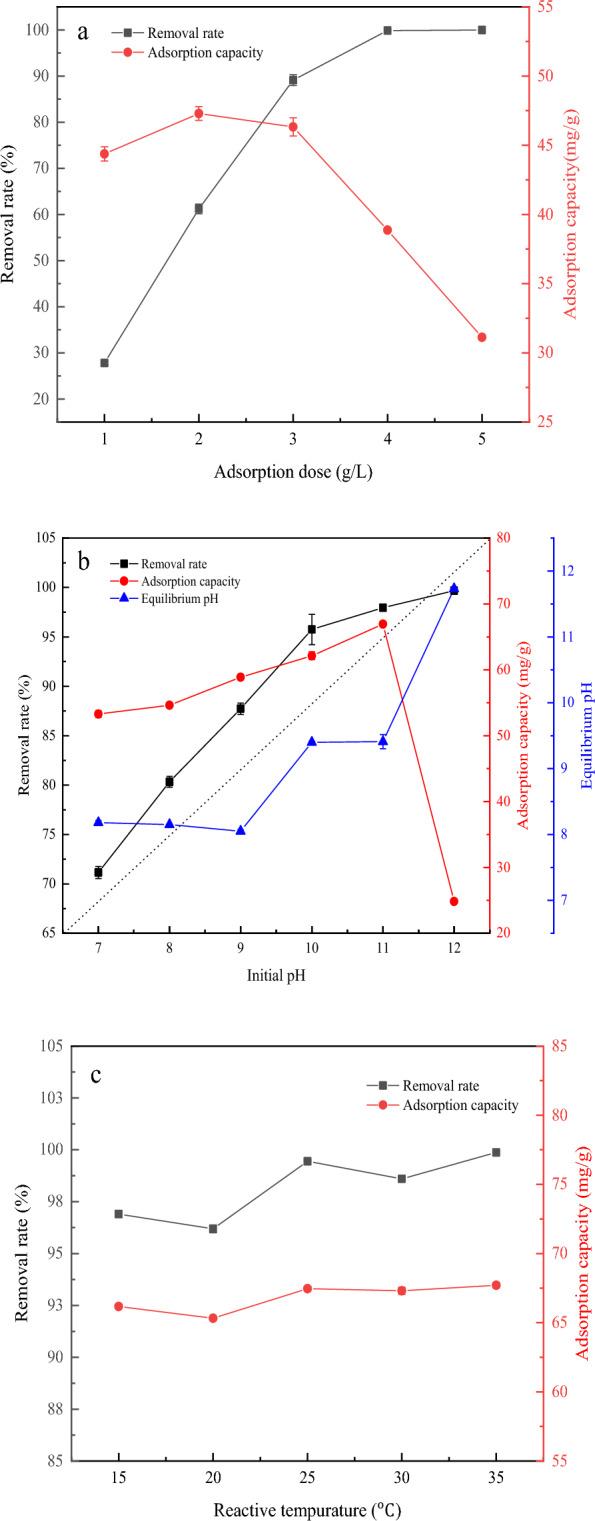
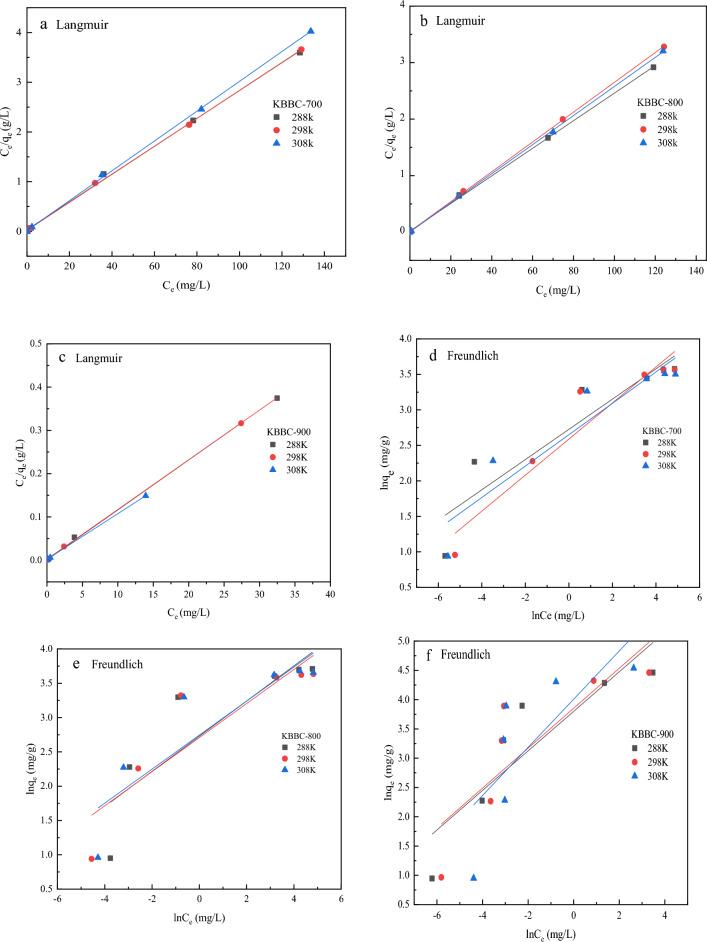
A series of activated biochar (KBBC-700, KBBC-800 and KBBC-900) which were modified by KOH and pyrolysis at various temperatures from ball-milling bamboo powder were obtained. The physicochemical properties and pore structures of activated biochar were investigated by scanning electron microscopy (SEM), fourier transform infrared spectoscopy (FT-IR), X-ray diffraction (XRD) and N adsorption/desorption. The adsorption performance for the removal of methylene blue (MB) was deeply studied. The results showed that KBBC-900 obtained at activation temperature of 900 °C exhibited a great surface area which reached 562 m/g with 0.460 cm/g of total pore volume. The enhancement of adsorption capacity could be ascribed to the increase of surface oxygen-containing functional groups, aromatization and mesoporous channels. The adsorption capacity was up to 67.46 mg/g under the optimum adsorption parameters with 2 g/L of adsorbent dose, 11 of initial solution pH and 298 K of the reactive temperature. The adsorption capacity was 70.63% of the first time after the material was recycled for three cycles. The kinetics indicated that the adsorption equilibrium time for MB on KBBC-900 was of about 20 min with the data fitted better to the pseudo-second-order kinetics model. The adsorption process was mainly dominated by chemical adsorption. Meanwhile, the adsorption isotherm showed that the Langmuir model fitted the best, and thermodynamic parameters revealed that the adsorption reaction was the endothermic nature and the spontaneous process. Adsorption of MB mainly attributed to electrostatic interactions, cation-π electron interaction and redox reaction. This study suggested that the activated biochar obtained by KOH activation from bamboo biochar has great potentials in the practical application to remove MB from wastewater.
通过球磨竹粉,经KOH改性并在不同温度下热解,制备了一系列活性生物炭(KBBC - 700、KBBC - 800和KBBC - 900)。采用扫描电子显微镜(SEM)、傅里叶变换红外光谱(FT - IR)、X射线衍射(XRD)和N2吸附/脱附等手段对活性生物炭的理化性质和孔隙结构进行了研究。深入研究了其对亚甲基蓝(MB)的吸附性能。结果表明,在900℃活化温度下制备的KBBC - 900具有较大的比表面积,达到562 m²/g,总孔容为0.460 cm³/g。吸附容量的提高归因于表面含氧官能团的增加、芳构化和介孔通道。在最佳吸附参数下,吸附剂投加量为2 g/L、初始溶液pH为11、反应温度为298 K时,吸附容量高达67.46 mg/g。材料循环使用三次后,吸附容量为首次的70.63%。动力学研究表明,MB在KBBC - 900上的吸附平衡时间约为20 min,数据更符合准二级动力学模型。吸附过程主要以化学吸附为主。同时,吸附等温线表明Langmuir模型拟合效果最佳,热力学参数表明吸附反应为吸热性质且是自发过程。MB的吸附主要归因于静电相互作用、阳离子 - π电子相互作用和氧化还原反应。本研究表明,通过KOH活化竹炭获得的活性生物炭在实际应用中具有从废水中去除MB的巨大潜力。


 Zotero 插件