
确诊为重症 COVID-19 的孕妇入住重症监护病房的结局:一家中心的经验。
Outcome of pregnant women admitted to critical care unit with confirmed severe COVID-19: A center experience.
作者信息
AlJohi Amani, Alohali Ahmad, Alsaeed Saffanah, Sakkijah Hussam M, Obeid Dalia A
机构信息
From the Department of Physical Medicine and Rehabilitation (AlJohi, Alsaeed); from the Department of Critical Care Services Administration (Alohali, Sakkijah), King Fahad Medical City, and from the Department of Tissue/Organ Bioengineering and BioMEMS Lab, Organ Transplant Centre of Excellence, Transplant Research and Innovation (Obeid), King Faisal Specialist Hospital and Research Centre, Riyadh, Kingdom of Saudi Arabia.
出版信息
Saudi Med J. 2024 Apr;45(4):379-386. doi: 10.15537/smj.2024.45.4.20240022.
OBJECTIVES
To explore the traits and risk factors of pregnant women admitted to intensive care units (ICUs) with COVID-19. Moreover, the study classifies outcomes based on differing levels of required respiratory support during their intensive care stay.
METHODS
This retrospective and descriptive study included all pregnant women with COVID-19 admitted to the adult critical care unit at a specialized tertiary hospital in Riyadh, Saudi Arabia. Between January 2020 and December 2022. A total of 38 pregnant women were identified and were eligible for our study.
RESULTS
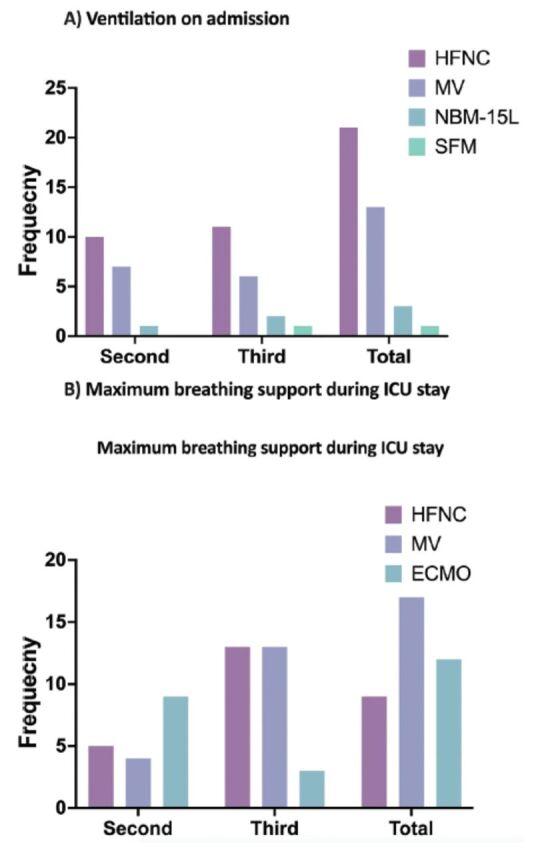
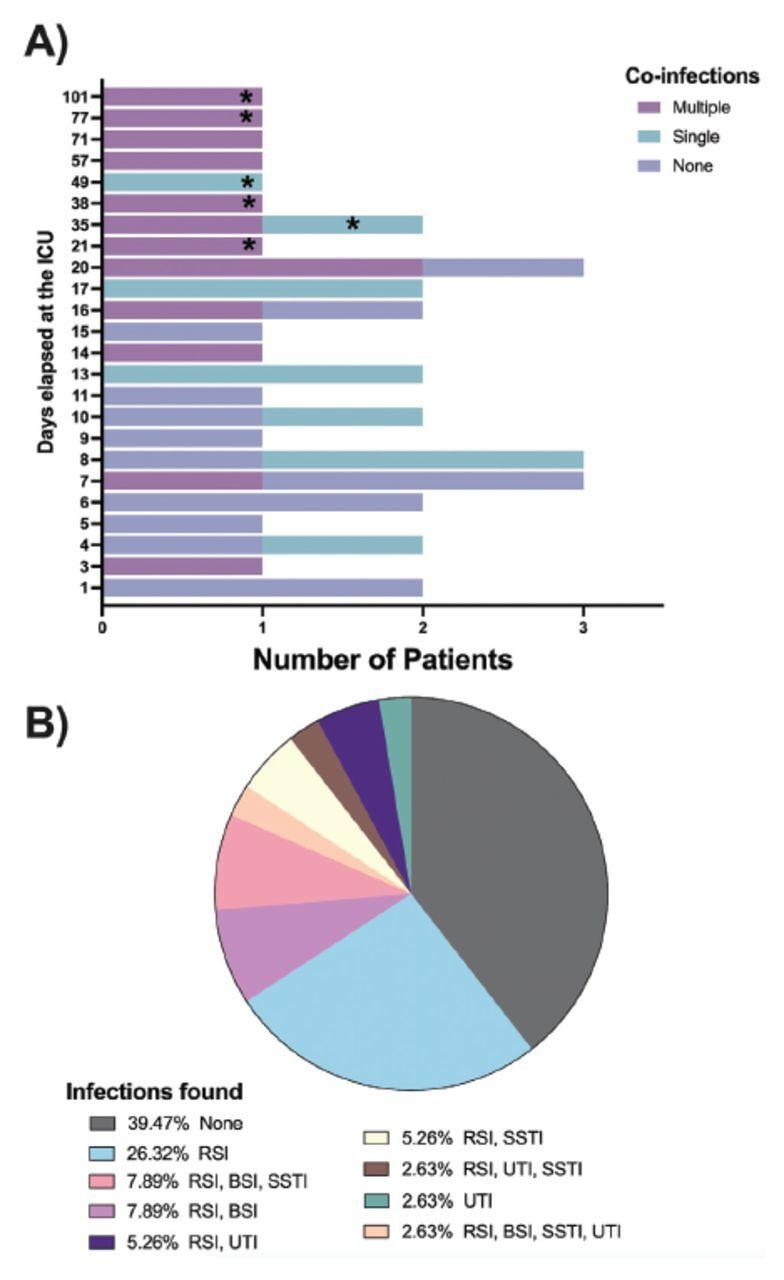
The mean age of the patients was 32.9 (19-45) years, and the average Acute Physiology and Chronic Health Evaluation IV (APACHI IV) score was 49.9 (21-106). Approximately 60.5% of the patients suffered from superimposed infections during their ICU stay. Approximately 81.6% patients were delivered by C-section, 33 of the newborns survived, and 5 died. The crude mortality rate among pregnant women in our cohort was 15.8%. Patients treated with high-flow nasal cannula (HFNC) were mostly discharged or delivered normally, while the mechanical ventilation (MV) and extracorporeal membrane oxygenation groups mostly underwent C-sections. Most of the surviving newborns were on HFNC and MV. Patients with multiple infections had the longest ICU stay and had the highest risk of death.
CONCLUSION
The results of this study highlight the characteristics of pregnant women admitted to the ICU at a specialized tertiary healthcare center in Saudi Arabia. The APACHI IV scores accurately predicted patient's mortality, duration of MV, and length of ICU stay. In our study, we shared our experience of managing severe COVID-19 infections in pregnant patients.
目的
探讨因新型冠状病毒肺炎(COVID-19)入住重症监护病房(ICU)的孕妇的特征及危险因素。此外,本研究根据她们在重症监护期间所需呼吸支持的不同水平对结局进行分类。
方法
本回顾性描述性研究纳入了沙特阿拉伯利雅得一家专业三级医院成人重症监护病房收治的所有COVID-19孕妇。研究时间为2020年1月至2022年12月。共确定38例孕妇符合本研究条件。
结果
患者的平均年龄为32.9(19 - 45)岁,急性生理学与慢性健康状况评分系统IV(APACHE IV)平均评分为49.9(21 - 106)。约60.5%的患者在ICU住院期间发生了叠加感染。约81.6%的患者通过剖宫产分娩,33例新生儿存活,5例死亡。我们队列中孕妇的粗死亡率为15.8%。接受高流量鼻导管吸氧(HFNC)治疗的患者大多正常出院或分娩,而机械通气(MV)和体外膜肺氧合组大多接受剖宫产。大多数存活的新生儿接受HFNC和MV治疗。发生多重感染的患者在ICU的住院时间最长,死亡风险最高。
结论
本研究结果突出了沙特阿拉伯一家专业三级医疗中心收治的入住ICU孕妇的特征。APACHE IV评分准确预测了患者的死亡率、MV持续时间和ICU住院时间。在本研究中,我们分享了管理孕妇严重COVID-19感染的经验。

 Zotero 插件