
共价有机框架纳米酶在分析化学中的应用研究进展。
Research Progress on the Application of Covalent Organic Framework Nanozymes in Analytical Chemistry.
机构信息
School of Chemistry, Sun Yat-Sen University, Guangzhou 510006, China.
Guangxi Key Laboratory of Sericulture Ecology and Applied Intelligent Technology, Hechi University, Hechi 546300, China.
出版信息
Biosensors (Basel). 2024 Mar 29;14(4):163. doi: 10.3390/bios14040163.
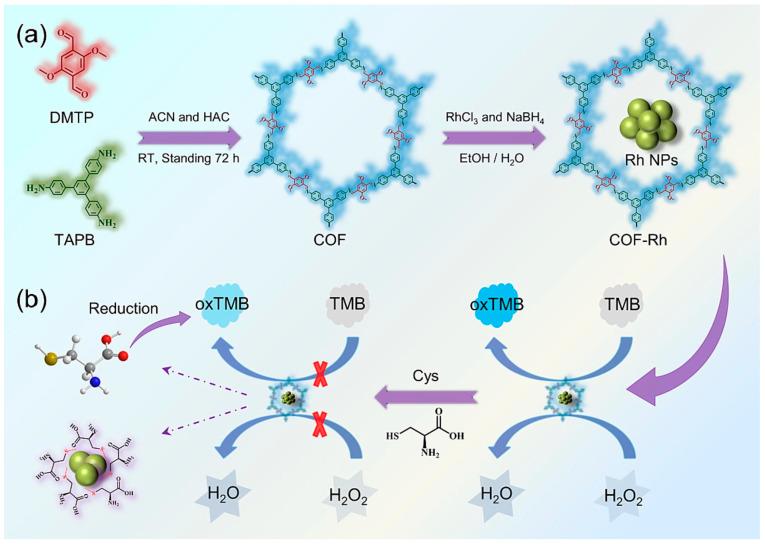
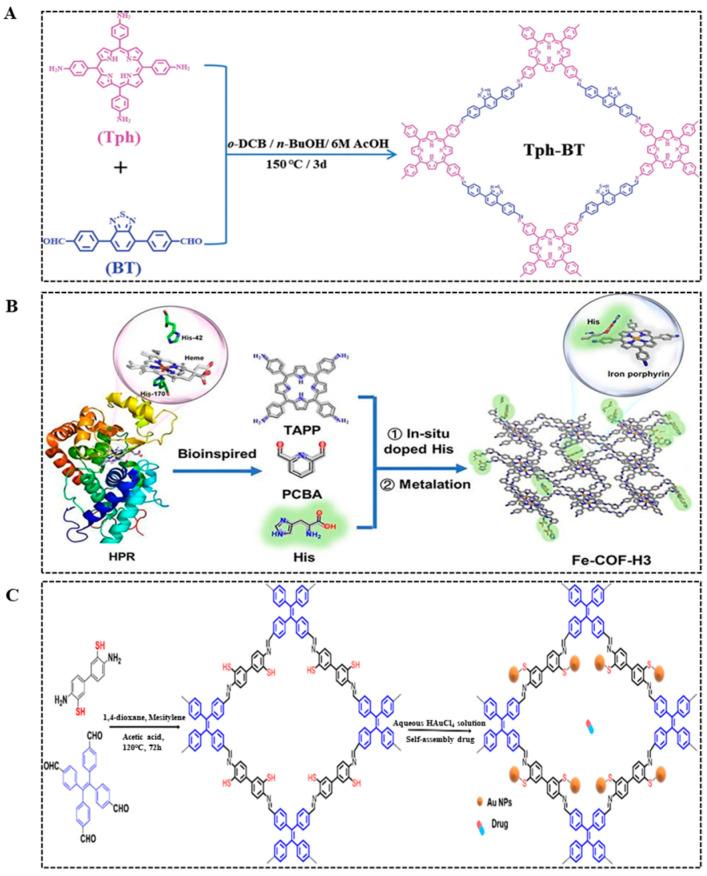
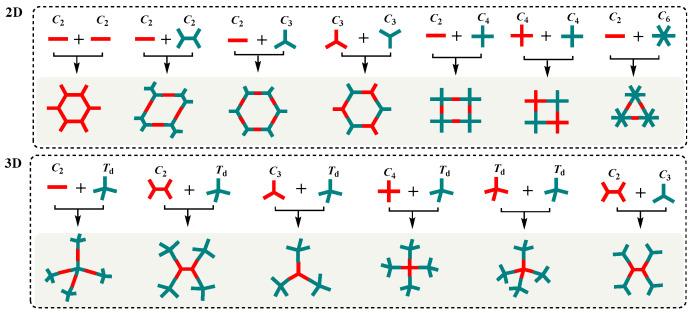
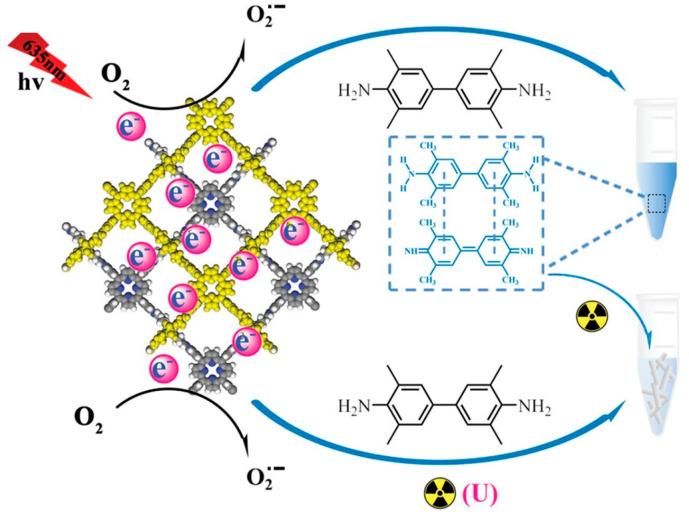
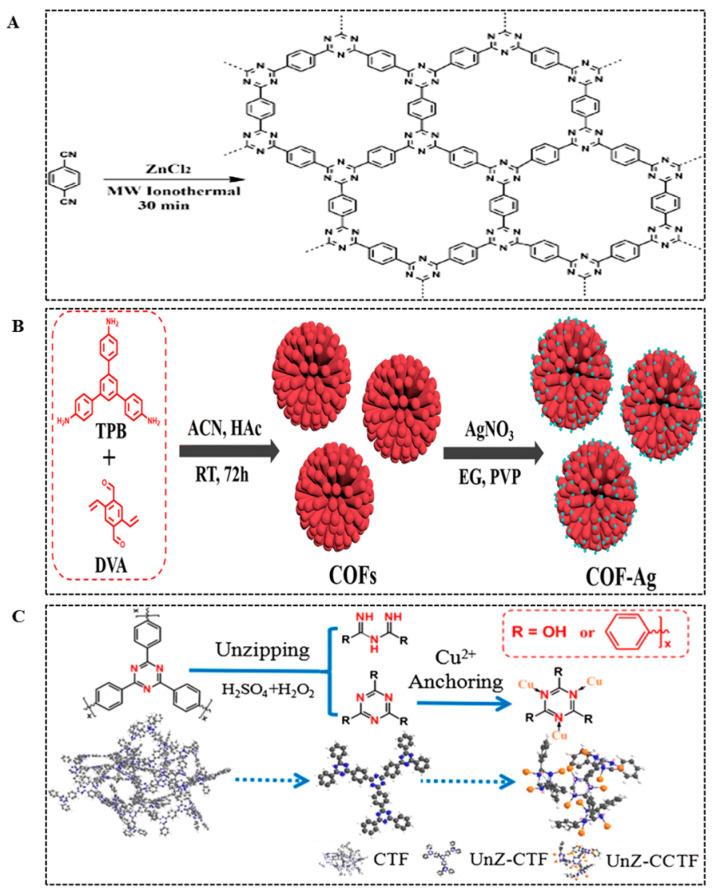
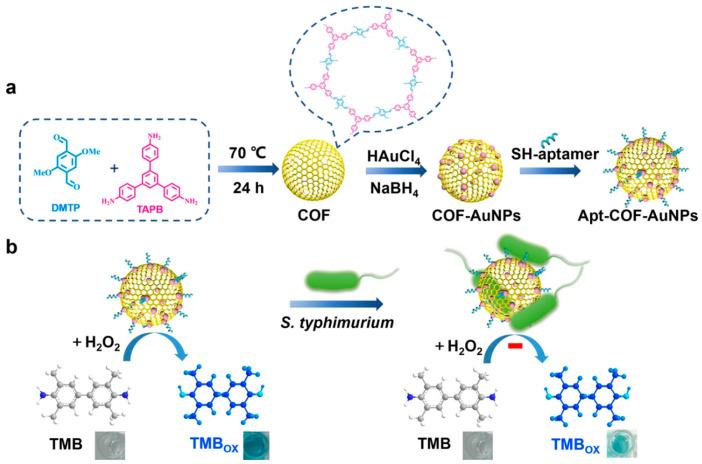
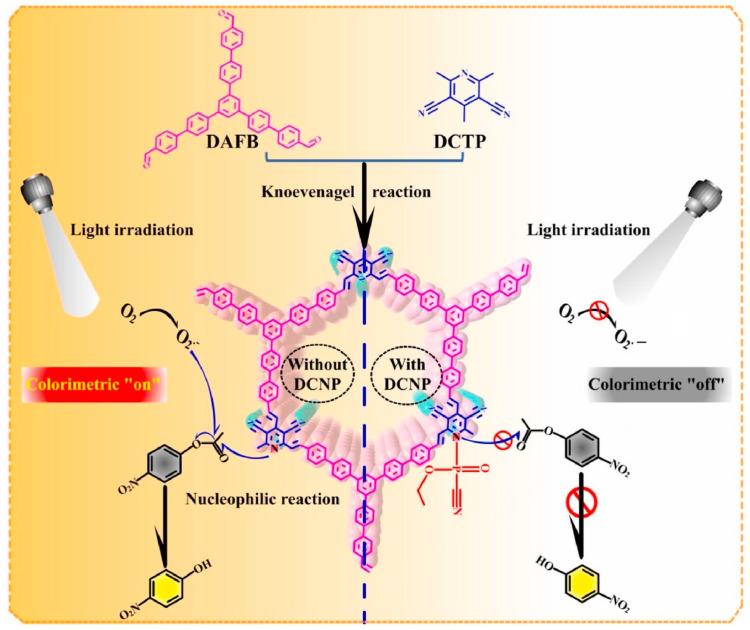
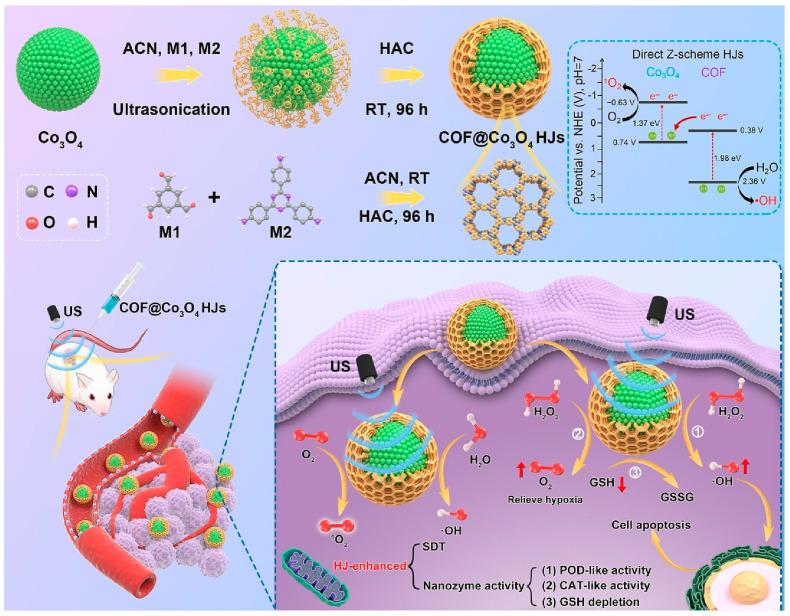
Covalent organic frameworks (COFs) are porous crystals that have high designability and great potential in designing, encapsulating, and immobilizing nanozymes. COF nanozymes have also attracted extensive attention in analyte sensing and detection because of their abundant active sites, high enzyme-carrying capacity, and significantly improved stability. In this paper, we classify COF nanozymes into three types and review their characteristics and advantages. Then, the synthesis methods of these COF nanozymes are introduced, and their performances are compared in a list. Finally, the applications of COF nanozymes in environmental analysis, food analysis, medicine analysis, disease diagnosis, and treatment are reviewed. Furthermore, we also discuss the application prospects of COF nanozymes and the challenges they face.
共价有机框架(COFs)是具有高设计性和巨大潜力的多孔晶体,可用于设计、封装和固定纳米酶。由于具有丰富的活性位点、高的酶载量和显著提高的稳定性,COF 纳米酶在分析物传感和检测方面也引起了广泛关注。在本文中,我们将 COF 纳米酶分为三种类型,并综述了它们的特点和优点。然后,介绍了这些 COF 纳米酶的合成方法,并在列表中比较了它们的性能。最后,综述了 COF 纳米酶在环境分析、食品分析、医学分析、疾病诊断和治疗中的应用。此外,我们还讨论了 COF 纳米酶的应用前景和面临的挑战。




 Zotero 插件