
自体过继性细胞疗法治疗犬口腔恶性黑色素瘤的一项初步研究显示临床疗效有限且存在潜在不良事件。
Limited Clinical Efficacy with Potential Adverse Events in a Pilot Study of Autologous Adoptive Cell Therapy in Canine Oral Malignant Melanoma.
作者信息
Xia Yuan-Yuan, Chi Kwan-Hwa, Liao Albert Taiching, Lee Jih-Jong
机构信息
Department and Graduate Institute of Veterinary Medicine, School of Veterinary Medicine, National Taiwan University, Taipe 10617, Taiwan.
National Taiwan University Veterinary Hospital, College of Bioresources and Agriculture, National Taiwan University, Taipei 10672, Taiwan.
出版信息
Vet Sci. 2024 Mar 28;11(4):150. doi: 10.3390/vetsci11040150.
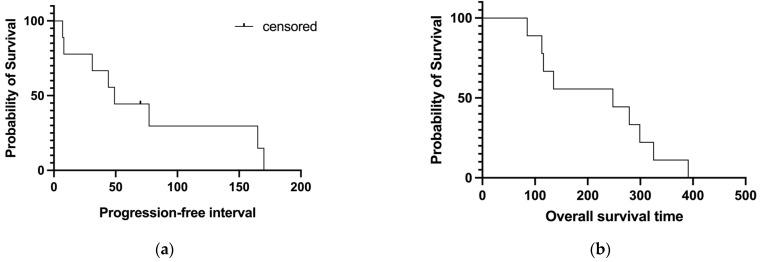
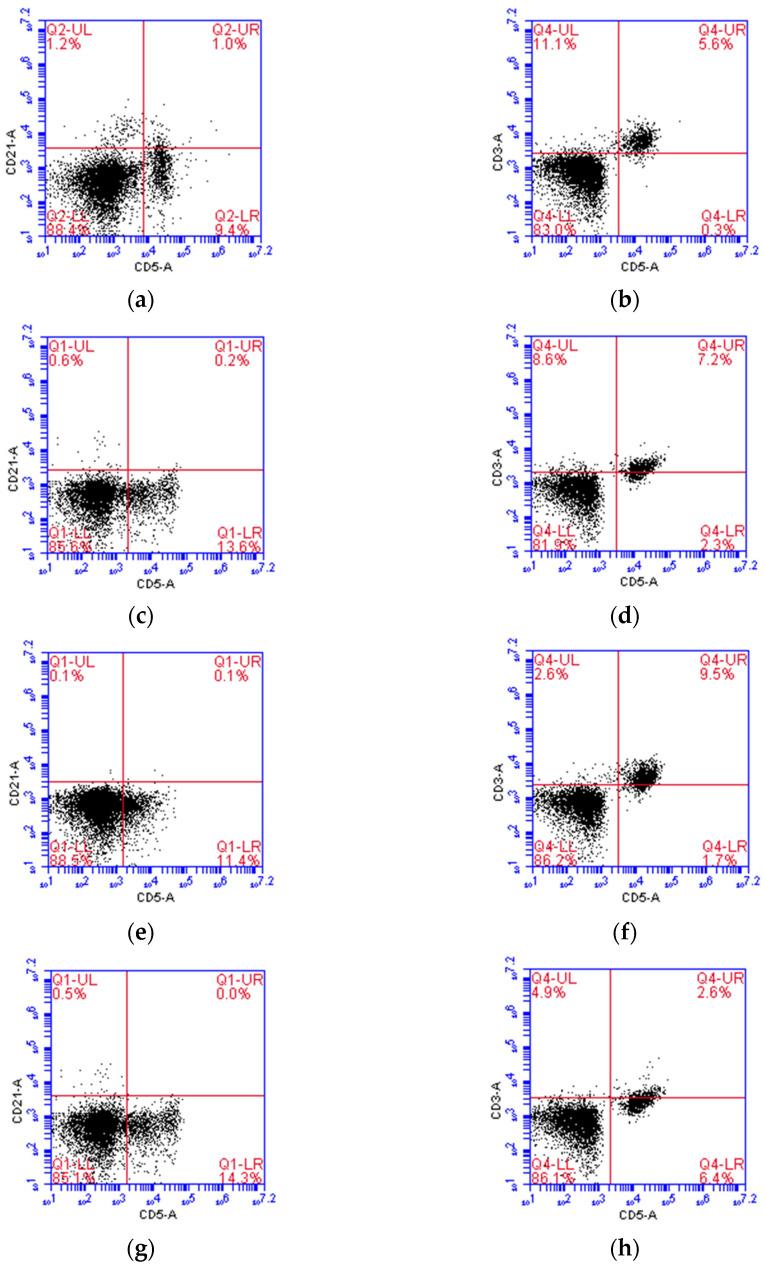
Adoptive cell therapy (ACT) has been studied in several human and canine cancers with some promising clinical outcomes but not in canine oral malignant melanoma (OMM). Our manuscript aimed to explore one kind of ACT, the ex vivo-expanded autologous immune cell infusion in canine OMM, as this tumor remains a treatment dilemma. The study recruited dogs with histopathological diagnoses of oral malignant melanoma, generated their peripheral blood mononuclear cells, expanded them into predominantly non-B non-T cells via stimulations of IL-15, IL-2, and IL-21, and then re-infused the cells into tumor-bearing dogs. Ten dogs were enrolled; three dogs did not report any adverse events; three had a mildly altered appetite; one had a mildly increased liver index, while the other three developed suspected anaphylaxis at different levels. The median progression-free interval was 49 days. Dogs with progressive disease during treatment had a shorter survival. This pilot study indicates limited efficacy with potential adverse events of this ACT. Most recruited patients were in a later stage and had macroscopic disease, which might affect the treatment efficacy. Further exploration of this cell therapy in an adjuvant setting, with adequate protocol modification and standardization, could still be considered.
过继性细胞疗法(ACT)已在多种人类和犬类癌症中进行了研究,取得了一些有前景的临床结果,但尚未应用于犬口腔恶性黑色素瘤(OMM)。我们的论文旨在探索一种ACT,即体外扩增的自体免疫细胞输注治疗犬OMM,因为这种肿瘤仍然是一个治疗难题。该研究招募了经组织病理学诊断为口腔恶性黑色素瘤的犬只,采集它们的外周血单核细胞,通过白细胞介素-15、白细胞介素-2和白细胞介素-21刺激将其扩增为主要是非B非T细胞,然后将这些细胞重新输注到荷瘤犬体内。共招募了10只犬;3只犬未报告任何不良事件;3只犬食欲略有改变;1只犬肝脏指数略有升高,而另外3只犬出现了不同程度的疑似过敏反应。无进展生存期的中位数为49天。治疗期间病情进展的犬生存时间较短。这项初步研究表明这种ACT疗效有限且存在潜在不良事件。大多数招募的患者处于晚期且有肉眼可见的疾病,这可能影响治疗效果。在辅助治疗环境中,通过适当修改方案和标准化,仍可考虑进一步探索这种细胞疗法。


 Zotero 插件