
定量蛋白质质谱数据在单克隆抗体膜结合靶点结合早期预测分析中的应用。
Application of quantitative protein mass spectrometric data in the early predictive analysis of membrane-bound target engagement by monoclonal antibodies.
作者信息
Sepp Armin, Muliaditan Morris
机构信息
Simcyp Division, Certara UK Ltd, Sheffield, UK.
Leiden Experts on Advanced Pharmacokinetics and Pharmacodynamics (LAP&P), Leiden, The Netherlands.
出版信息
MAbs. 2024 Jan-Dec;16(1):2324485. doi: 10.1080/19420862.2024.2324485. Epub 2024 Mar 4.
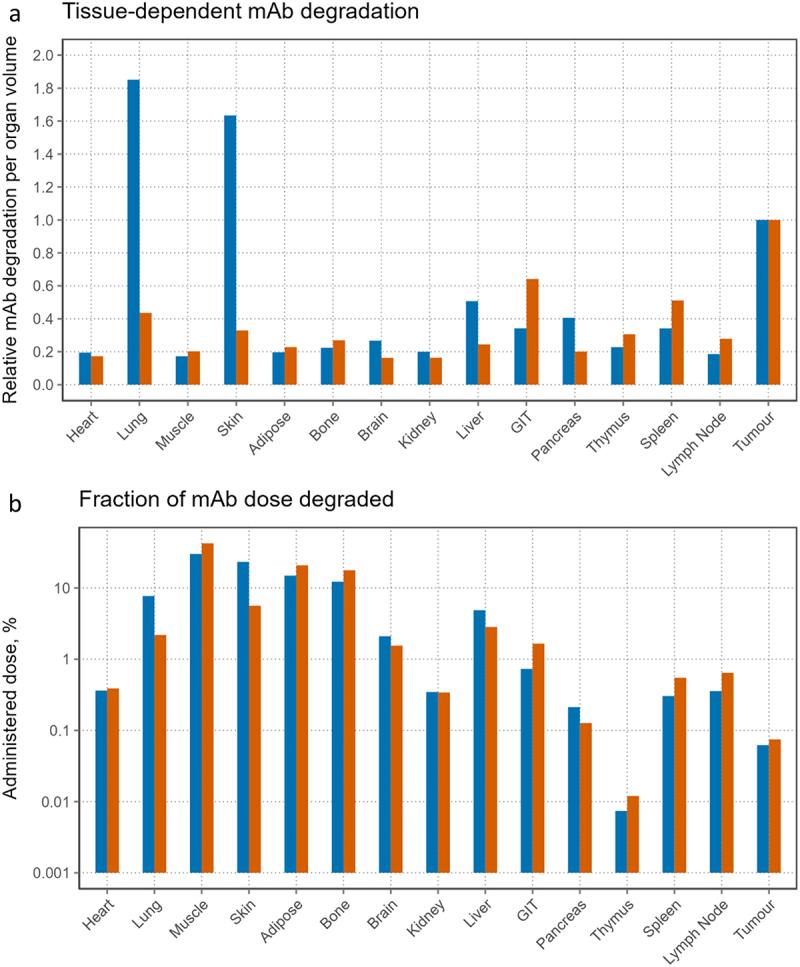
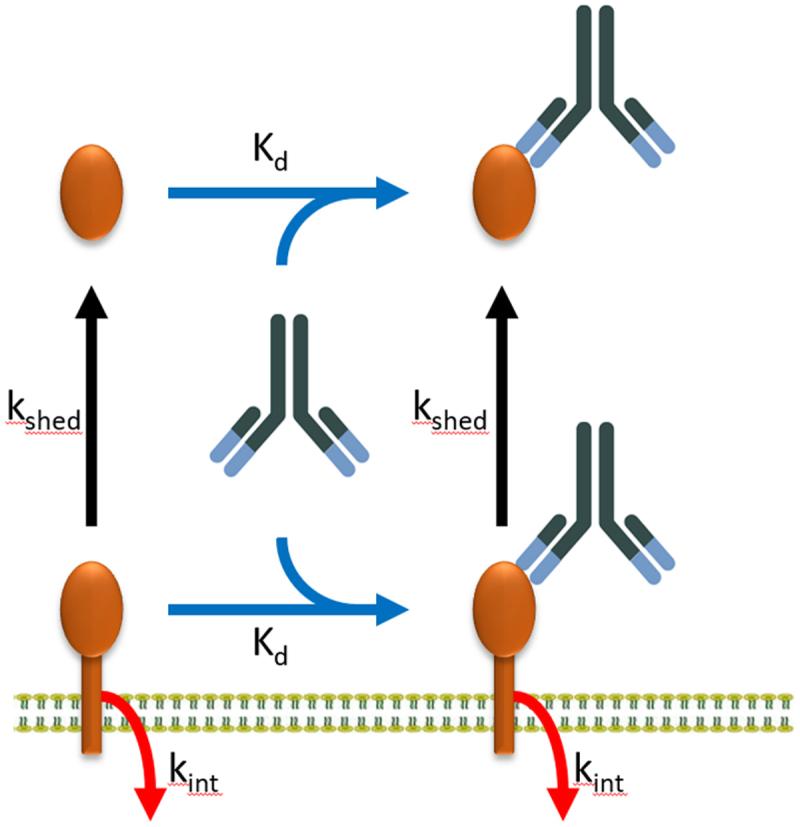
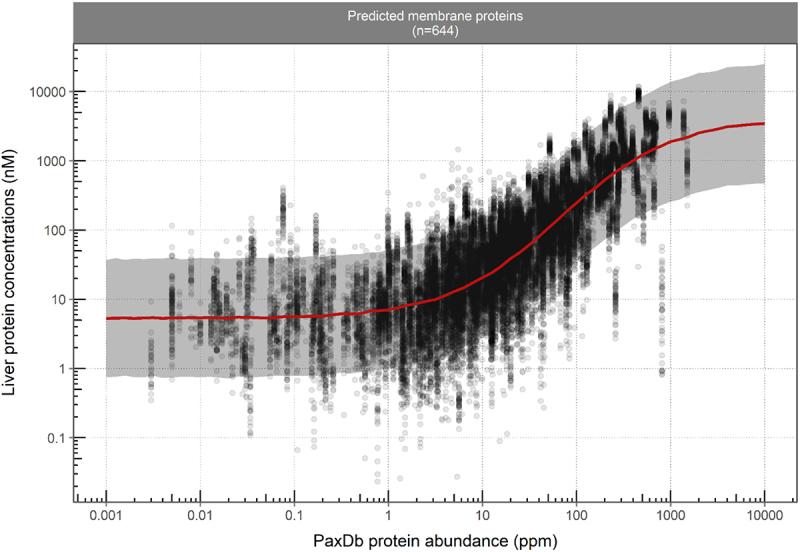
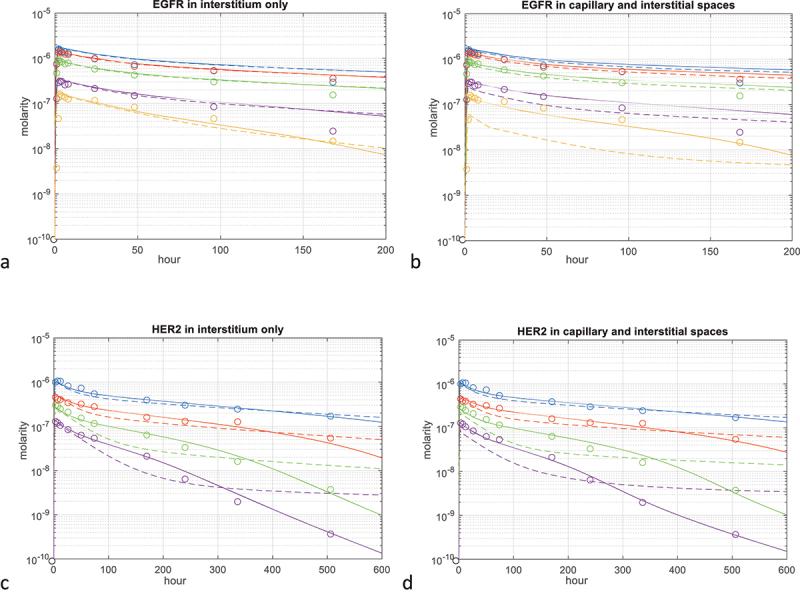
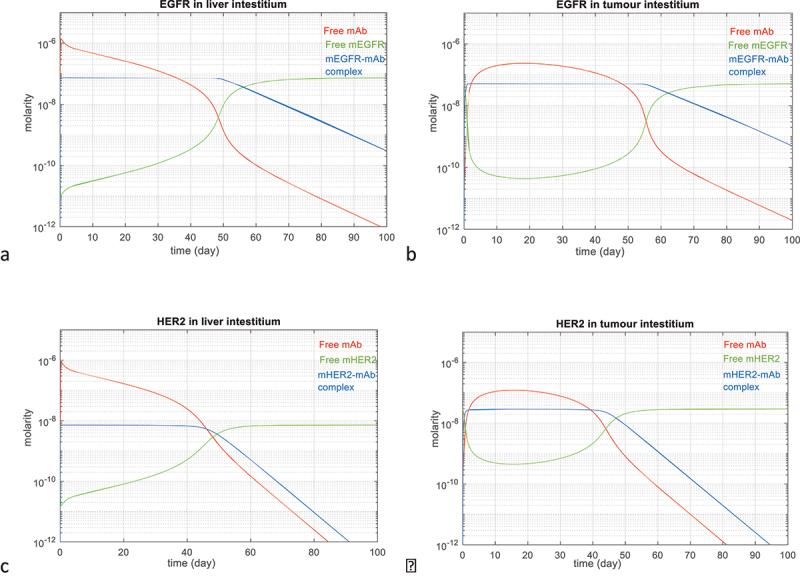
Model-informed drug discovery advocates the use of mathematical modeling and simulation for improved efficacy in drug discovery. In the case of monoclonal antibodies (mAbs) against cell membrane antigens, this requires quantitative insight into the target tissue concentration levels. Protein mass spectrometry data are often available but the values are expressed in relative, rather than in molar concentration units that are easier to incorporate into pharmacokinetic models. Here, we present an empirical correlation that converts the parts per million (ppm) concentrations in the PaxDb database to their molar equivalents that are more suitable for pharmacokinetic modeling. We evaluate the insight afforded to target tissue distribution by analyzing the likely tumor-targeting accuracy of mAbs recognizing either epidermal growth factor receptor or its homolog HER2. Surprisingly, the predicted tissue concentrations of both these targets exceed the Kd values of their respective therapeutic mAbs. Physiologically based pharmacokinetic (PBPK) modeling indicates that in these conditions only about 0.05% of the dosed mAb is likely to reach the solid tumor target cells. The rest of the dose is eliminated in healthy tissues via both nonspecific and target-mediated processes. The presented approach allows evaluation of the interplay between the target expression level in different tissues that determines the overall pharmacokinetic properties of the drug and the fraction that reaches the cells of interest. This methodology can help to evaluate the efficacy and safety properties of novel drugs, especially if the off-target cell degradation has cytotoxic outcomes, as in the case of antibody-drug conjugates.
模型引导的药物发现主张使用数学建模和模拟来提高药物发现的疗效。对于针对细胞膜抗原的单克隆抗体(mAb)而言,这需要对靶组织浓度水平有定量的了解。蛋白质质谱数据通常是可用的,但这些值是以相对形式表示的,而不是以更易于纳入药代动力学模型的摩尔浓度单位表示。在此,我们提出一种经验相关性,可将PaxDb数据库中的百万分之一(ppm)浓度转换为更适合药代动力学建模的摩尔当量。我们通过分析识别表皮生长因子受体或其同源物HER2的单克隆抗体可能的肿瘤靶向准确性,来评估对靶组织分布的洞察。令人惊讶的是,这两个靶点的预测组织浓度均超过了各自治疗性单克隆抗体的解离常数(Kd)值。基于生理的药代动力学(PBPK)建模表明,在这些情况下,仅约0.05%的给药单克隆抗体可能到达实体瘤靶细胞。其余剂量通过非特异性和靶介导过程在健康组织中被清除。所提出的方法允许评估不同组织中靶标表达水平之间的相互作用,这决定了药物的整体药代动力学性质以及到达感兴趣细胞的部分。这种方法有助于评估新药的疗效和安全性,特别是如果脱靶细胞降解具有细胞毒性结果,如在抗体 - 药物偶联物的情况下。


 Zotero 插件