
肥胖、血脂异常与心血管疾病:肥胖医学协会和国家脂质协会2024年联合专家综述
Obesity, dyslipidemia, and cardiovascular disease: A joint expert review from the Obesity Medicine Association and the National Lipid Association 2024.
作者信息
Bays Harold Edward, Kirkpatrick Carol, Maki Kevin C, Toth Peter P, Morgan Ryan T, Tondt Justin, Christensen Sandra Michelle, Dixon Dave, Jacobson Terry A
机构信息
Louisville Metabolic and Atherosclerosis Research Center, Louisville, KY, 40213, USA.
University of Louisville School of Medicine, 3288 Illinois Avenue, Louisville, KY, 40213, USA.
出版信息
Obes Pillars. 2024 Mar 12;10:100108. doi: 10.1016/j.obpill.2024.100108. eCollection 2024 Jun.
BACKGROUND
This joint expert review by the Obesity Medicine Association (OMA) and National Lipid Association (NLA) provides clinicians an overview of the pathophysiologic and clinical considerations regarding obesity, dyslipidemia, and cardiovascular disease (CVD) risk.
METHODS
This joint expert review is based upon scientific evidence, clinical perspectives of the authors, and peer review by the OMA and NLA leadership.
RESULTS
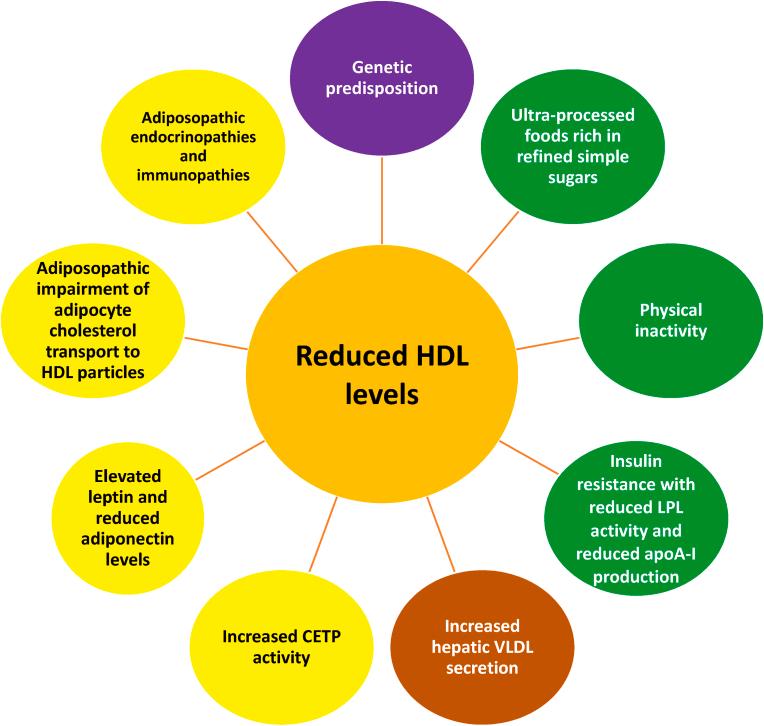
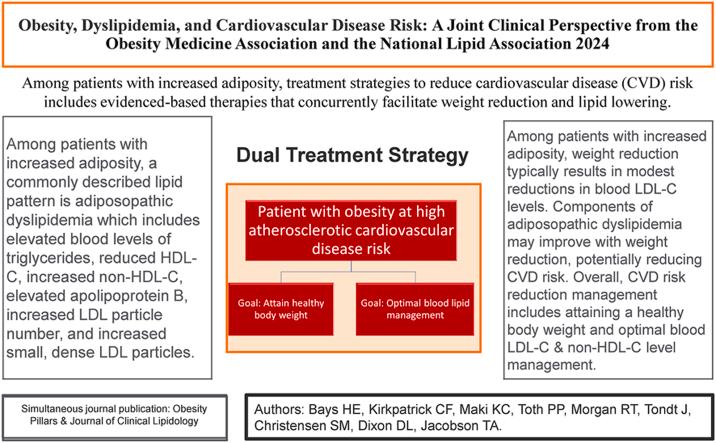
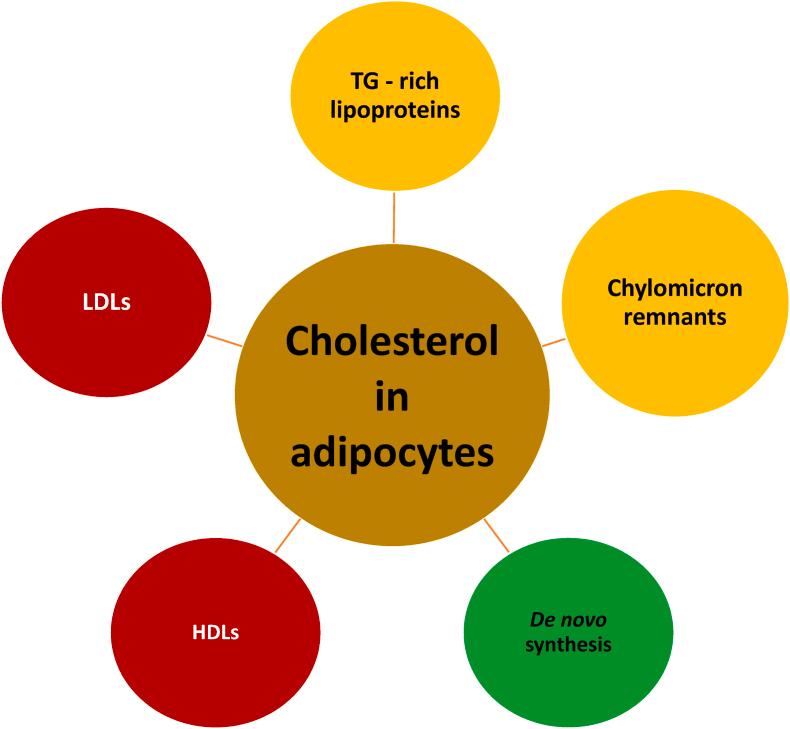
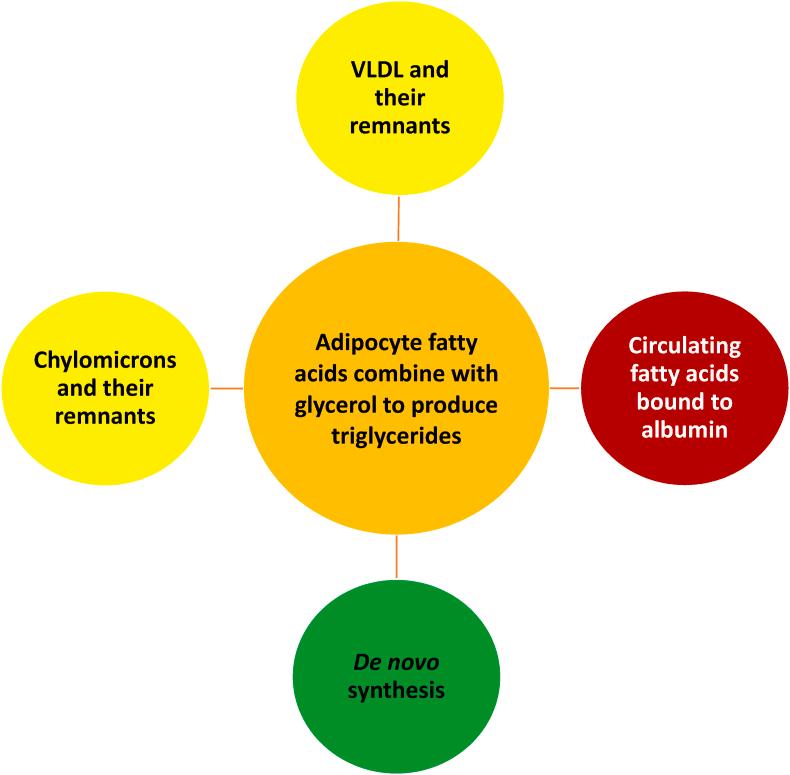
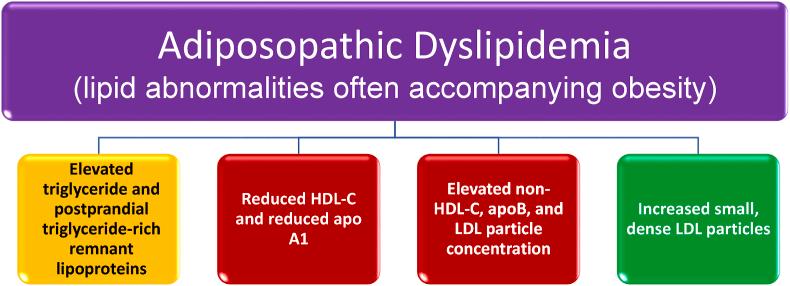
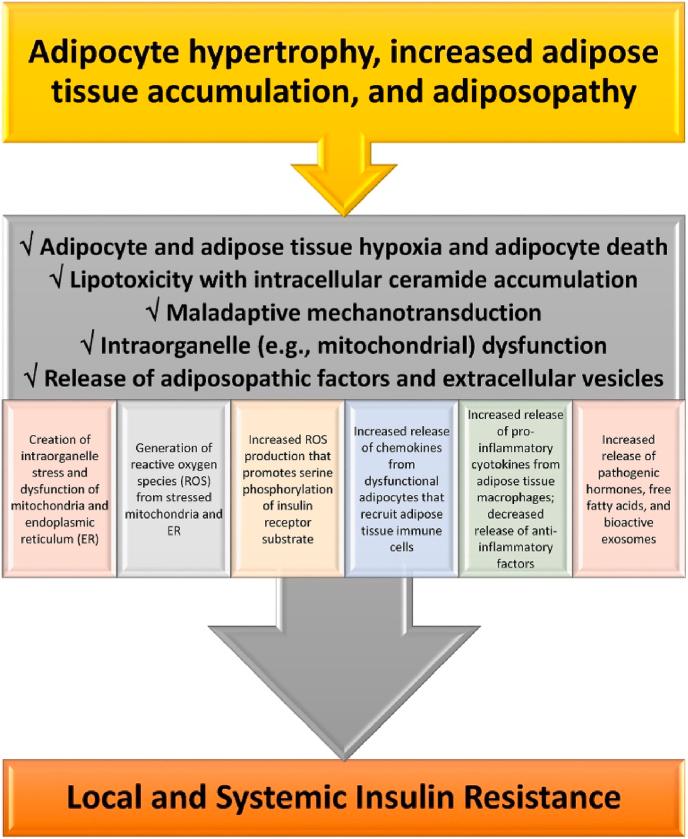
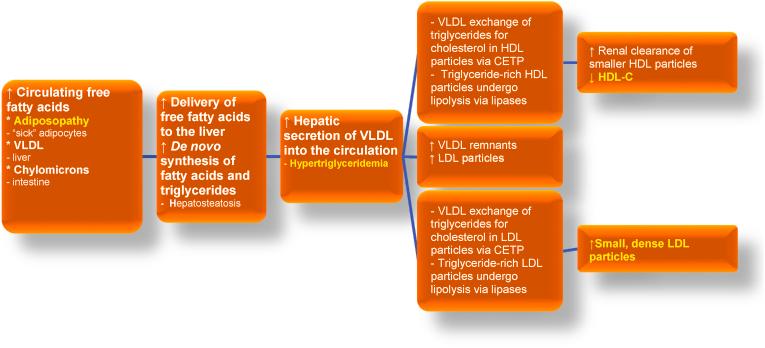
Among individuals with obesity, adipose tissue may store over 50% of the total body free cholesterol. Triglycerides may represent up to 99% of lipid species in adipose tissue. The potential for adipose tissue expansion accounts for the greatest weight variance among most individuals, with percent body fat ranging from less than 5% to over 60%. While population studies suggest a modest increase in blood low-density lipoprotein cholesterol (LDL-C) levels with excess adiposity, the adiposopathic dyslipidemia pattern most often described with an increase in adiposity includes elevated triglycerides, reduced high density lipoprotein cholesterol (HDL-C), increased non-HDL-C, elevated apolipoprotein B, increased LDL particle concentration, and increased small, dense LDL particles.
CONCLUSIONS
Obesity increases CVD risk, at least partially due to promotion of an adiposopathic, atherogenic lipid profile. Obesity also worsens other cardiometabolic risk factors. Among patients with obesity, interventions that reduce body weight and improve CVD outcomes are generally associated with improved lipid levels. Given the modest improvement in blood LDL-C with weight reduction in patients with overweight or obesity, early interventions to treat both excess adiposity and elevated atherogenic cholesterol (LDL-C and/or non-HDL-C) levels represent priorities in reducing the risk of CVD.
背景
肥胖医学协会(OMA)和国家脂质协会(NLA)的这份联合专家综述为临床医生提供了关于肥胖、血脂异常和心血管疾病(CVD)风险的病理生理及临床考量概述。
方法
这份联合专家综述基于科学证据、作者的临床观点以及OMA和NLA领导层的同行评审。
结果
在肥胖个体中,脂肪组织可能储存全身游离胆固醇的50%以上。甘油三酯可能占脂肪组织中脂质种类的99%。脂肪组织扩张的潜力是大多数个体体重差异最大的原因,体脂百分比范围从低于5%到超过60%。虽然人群研究表明,肥胖会使血液中低密度脂蛋白胆固醇(LDL-C)水平适度升高,但肥胖时最常描述的脂肪性血脂异常模式包括甘油三酯升高、高密度脂蛋白胆固醇(HDL-C)降低、非HDL-C升高、载脂蛋白B升高、LDL颗粒浓度增加以及小而密LDL颗粒增加。
结论
肥胖会增加CVD风险,至少部分原因是促进了脂肪性、致动脉粥样硬化的血脂谱。肥胖还会加重其他心脏代谢危险因素。在肥胖患者中,减轻体重并改善CVD结局的干预措施通常与血脂水平改善相关。鉴于超重或肥胖患者体重减轻后血液LDL-C的改善幅度较小,早期干预以治疗肥胖和升高的致动脉粥样硬化胆固醇(LDL-C和/或非HDL-C)水平是降低CVD风险的优先事项。
 Zotero 插件