
针刺穴位选择模式治疗化疗引起的恶心和呕吐:数据挖掘分析。
Acupuncture Point Selection Patterns for Chemotherapy-Induced Nausea and Vomiting: A Data Mining Analysis.
机构信息
Department of Integrated Chinese and Western Medicine, Hubei Cancer Hospital, Tongji Medical College, Huazhong University of Science and Technology, Wuhan, China,
Department of Computer Science, ETH Zurich, Zurich, Switzerland.
出版信息
Complement Med Res. 2024;31(4):343-358. doi: 10.1159/000538839. Epub 2024 May 6.
INTRODUCTION
Chemotherapy-induced nausea and vomiting (CINV) significantly impacts the quality of life of cancer patients undergoing treatment, often leading to treatment interruptions and compromised adherence to therapy. Our objective was to identify patterns for selecting the optimal acupoints and explore the treatment principles behind forming effective acupoint combinations for CINV.
METHODS
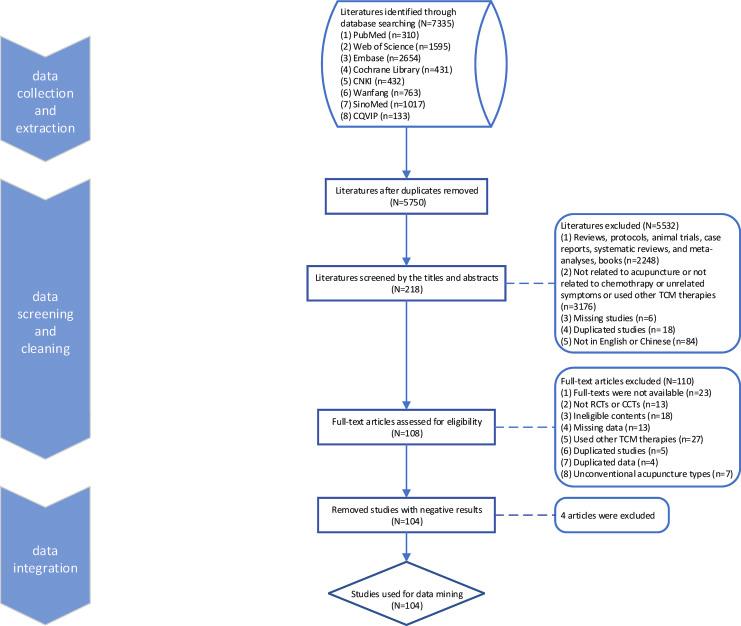
Clinical trials were retrieved from eight databases. Descriptive statistics analysis was performed, followed by association rule mining, network analysis, hierarchical cluster analysis, and correlation analysis, all implemented with R software.
RESULTS
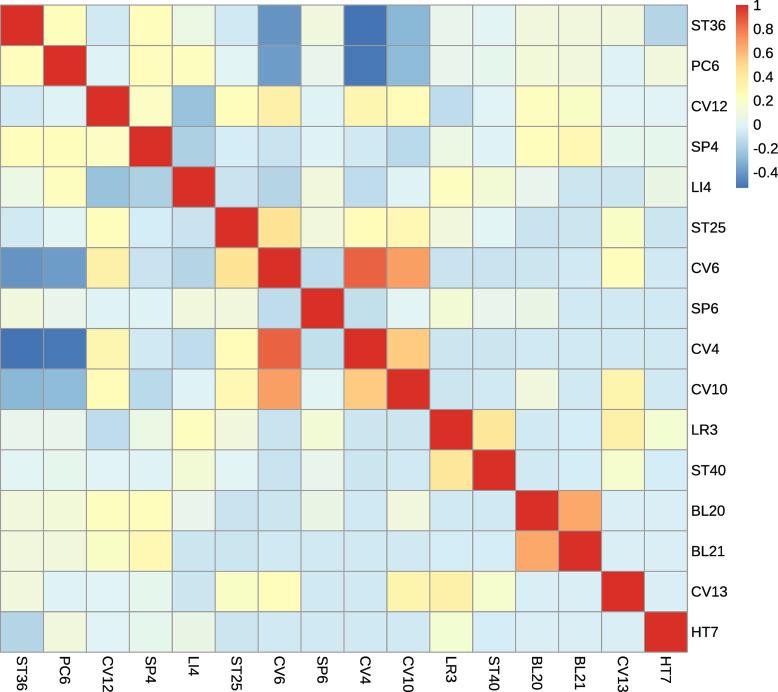
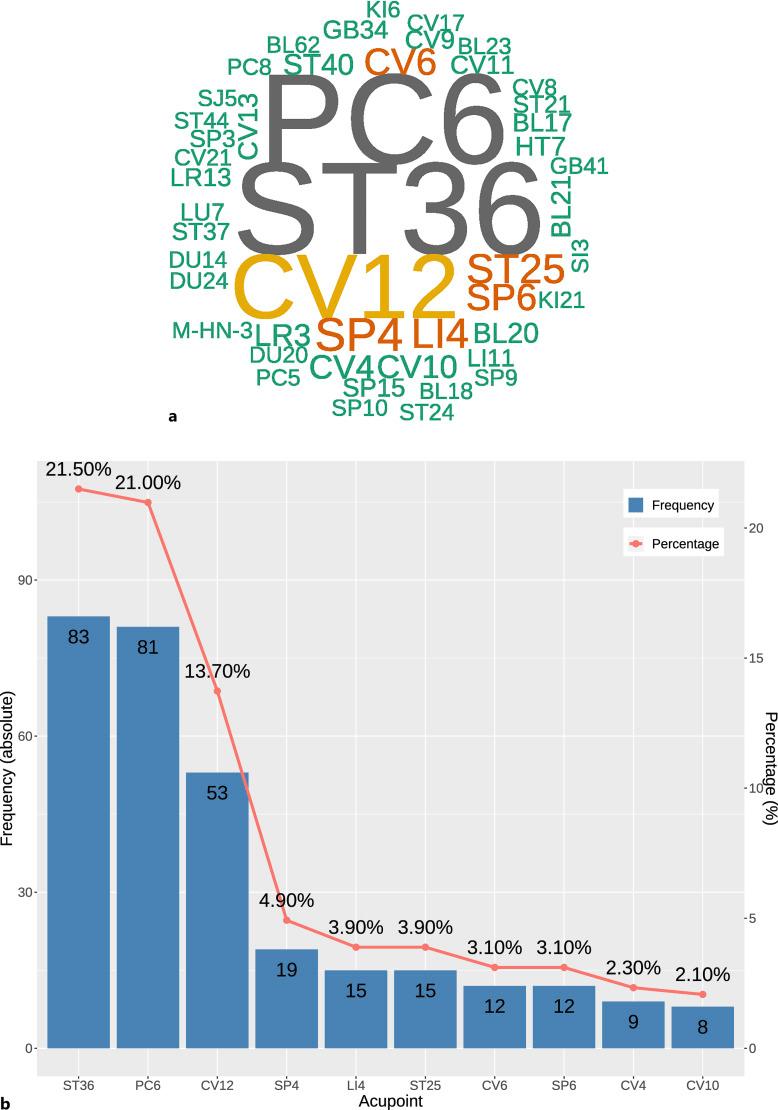
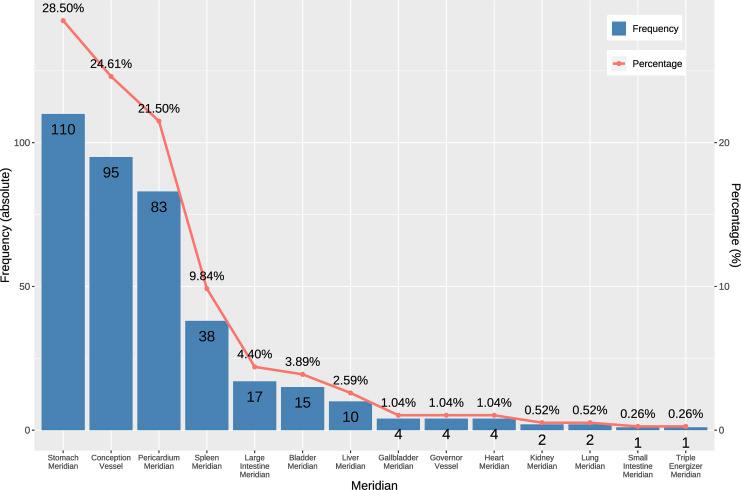
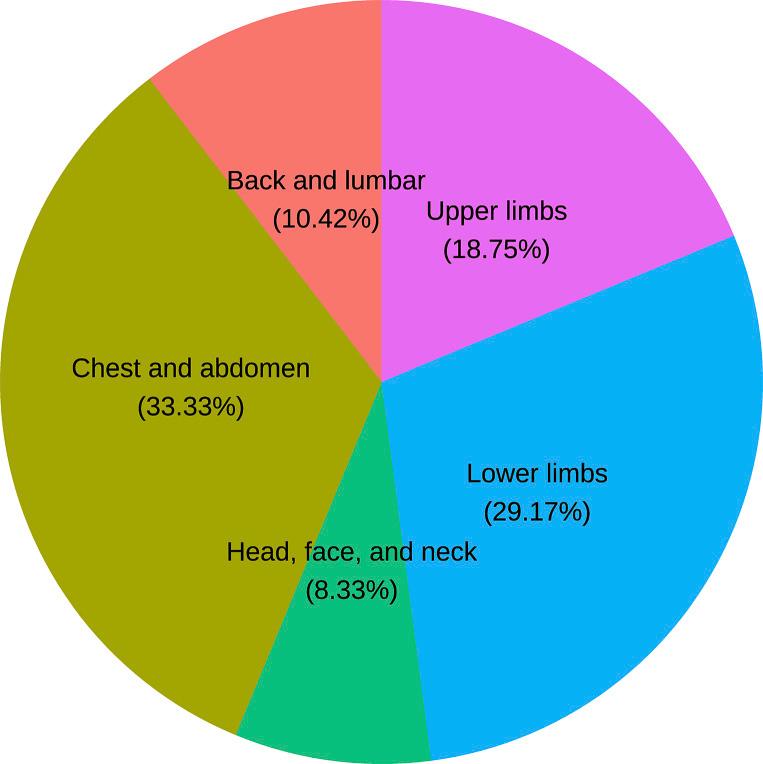
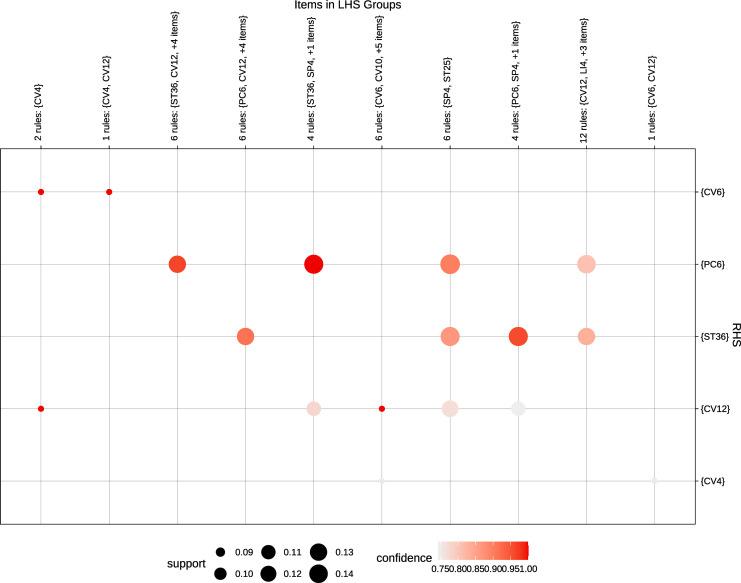
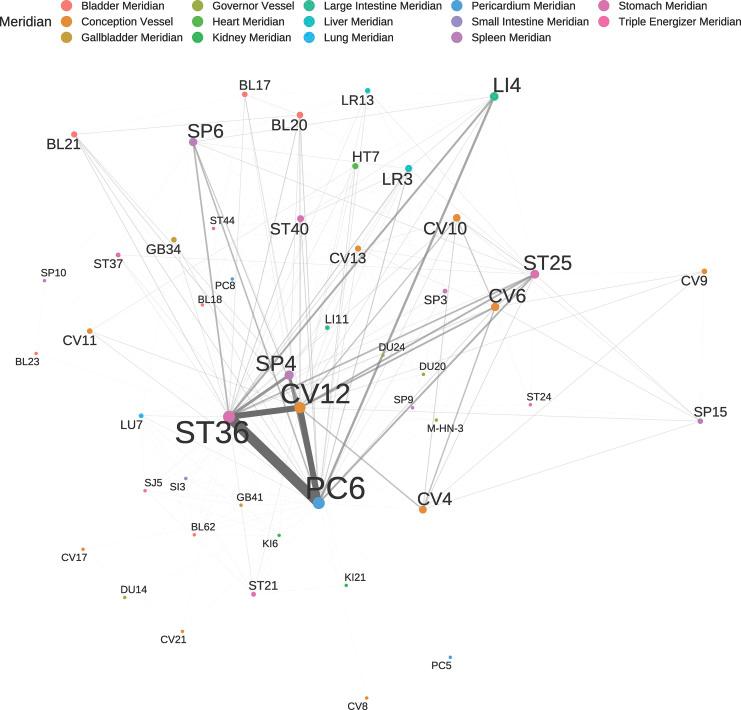
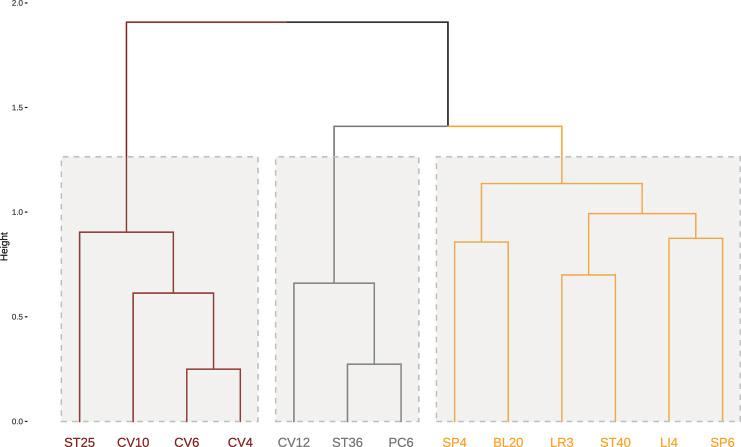
In summary, this study investigated the potential acupoints and combinations for CINV treatment in 104 published controlled clinical trials and randomized controlled trials. 104 prescriptions involving 48 acupoints were extracted. ST36, PC6, CV12, SP4, LI4, and ST25 appeared to be the most frequently used acupoints for CINV. Stomach Meridian, Conception Vessel (Renmai), and Pericardium Meridian were the most common selected meridians. The lower limbs, chest, and abdomen appeared as the predominant sites for acupoint selection. Co-occurrence network analysis indicated that ST36, PC6, and CV12 were central key node acupoints. The clustering analysis displayed the treatment principle of "harmonizing the stomach, stopping vomiting, and descending counterflow." Association rule mining revealed that the combination of CV4, CV12, ST36, CV6, and PC6 emerged as the optimal acupoint combination for effectively treating CINV.
CONCLUSION
Overall, our research provides evidence-based optimal acupuncture prescription for acupuncturists to treat CINV and presents a complementary therapy for chemotherapy physicians as well as patients to address CINV symptoms.
简介
化疗引起的恶心和呕吐(CINV)显著影响接受治疗的癌症患者的生活质量,经常导致治疗中断和治疗依从性降低。我们的目的是确定选择最佳穴位的模式,并探讨针对 CINV 形成有效穴位组合的治疗原则。
方法
从八个数据库中检索临床试验。使用 R 软件进行描述性统计分析,然后进行关联规则挖掘、网络分析、层次聚类分析和相关性分析。
结果
总之,本研究调查了 104 项已发表的对照临床试验和随机对照试验中治疗 CINV 的潜在穴位和组合。共提取了 104 个涉及 48 个穴位的处方。ST36、PC6、CV12、SP4、LI4 和 ST25 似乎是治疗 CINV 最常用的穴位。胃经、任脉和心包经是最常选择的经络。下肢、胸部和腹部是穴位选择的主要部位。共现网络分析表明,ST36、PC6 和 CV12 是中心关键节点穴位。聚类分析显示了“和胃止呕,降逆”的治疗原则。关联规则挖掘显示,CV4、CV12、ST36、CV6 和 PC6 的组合是治疗 CINV 的最佳穴位组合。
结论
总之,我们的研究为针灸师提供了治疗 CINV 的基于证据的最佳针灸处方,并为化疗医师和患者提供了一种补充治疗方法来解决 CINV 症状。


 Zotero 插件