
三种经典大肠杆菌克隆菌株(JM83、JM109 和 XL1-Blue)的蓝/白筛选设计的比较基因组分析。
Comparative genome analysis of three classical E. coli cloning strains designed for blue/white selection: JM83, JM109 and XL1-Blue.
机构信息
Lehrstuhl für Biologische Chemie, Technische Universität München, Freising, Germany.
出版信息
FEBS Open Bio. 2024 Jun;14(6):888-905. doi: 10.1002/2211-5463.13812. Epub 2024 May 10.
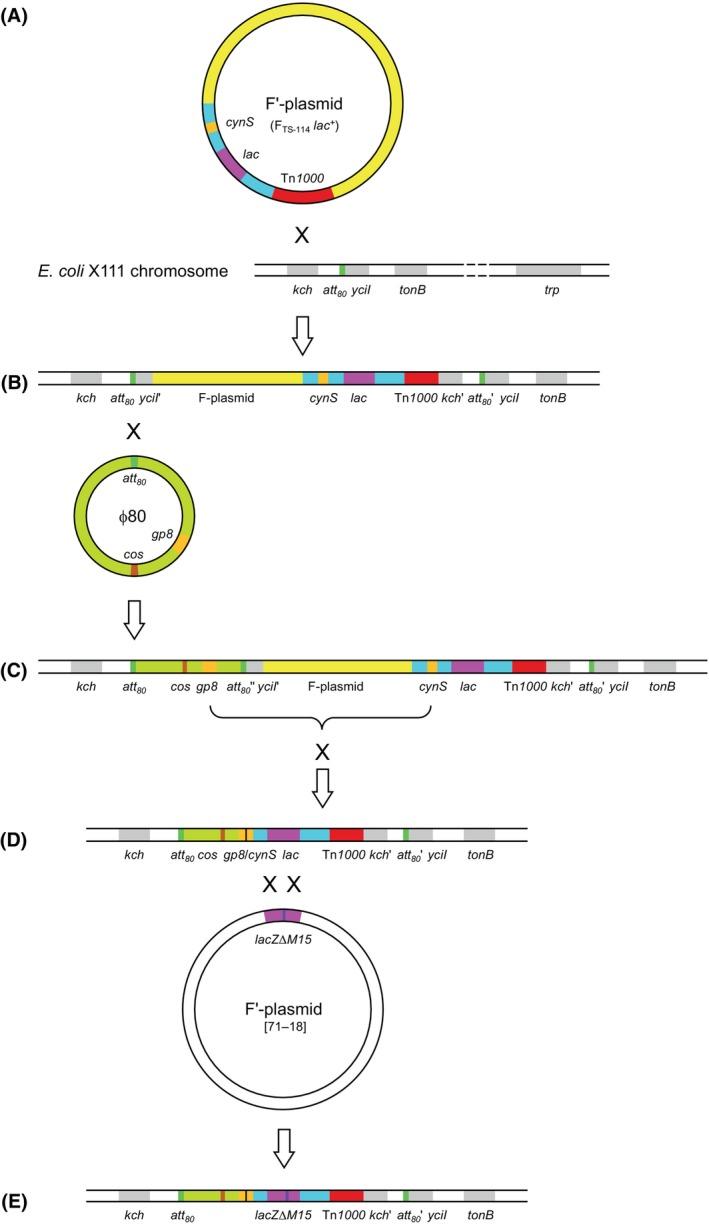
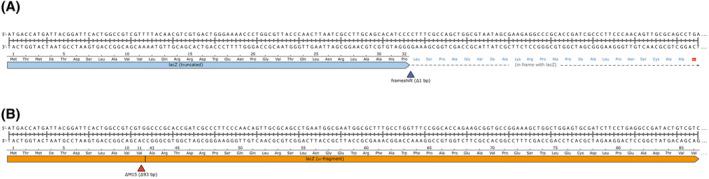
The development of the Escherichia coli K-12 laboratory strains JM83, JM109 and XL1-Blue was instrumental in early gene technology. We report the comprehensive genome sequence analysis of JM83 and XL1-Blue using Illumina and Oxford Nanopore technologies and a comparison with both the wild-type sequence (MG1655) and the genome of JM109 deposited at GenBank. Our investigation provides insight into the way how the genomic background that allows blue/white colony selection-by complementing a functionally inactive ω-fragment of β-galactosidase (LacZ) with its α-peptide encoded on the cloning vector-has been implemented independently in these three strains using classical bacterial genetics. In fact, their comparative analysis reveals recurrent motifs: (i) inactivation of the native enzyme via large deletions of chromosomal regions encompassing the lac locus, or a chemically induced frameshift deletion at the beginning of the lacZ cistron, and (ii) utilization of a defective prophage (ϕ80), or an F'-plasmid, to provide the lacZ∆M15 allele encoding its ω-fragment. While the genetic manipulations of the E. coli strains involved repeated use of mobile genetic elements as well as harsh chemical or physical mutagenesis, the individual modified traits appear remarkably stable as they can be found even in distantly related laboratory strains, beyond those investigated here. Our detailed characterization at the genome sequence level not only offers clues about the mechanisms of classical gene transduction and transposition but should also guide the future fine-tuning of E. coli strains for gene cloning and protein expression, including phage display techniques, utilizing advanced tools for site-specific genome engineering.
大肠杆菌 K-12 实验室菌株 JM83、JM109 和 XL1-Blue 的发展对早期基因技术至关重要。我们使用 Illumina 和 Oxford Nanopore 技术对 JM83 和 XL1-Blue 进行了全基因组序列分析,并与野生型序列(MG1655)和已在 GenBank 中提交的 JM109 基因组进行了比较。我们的研究深入了解了基因组背景是如何被利用的,这种基因组背景允许通过互补克隆载体上编码的β-半乳糖苷酶(LacZ)的α-肽来选择蓝色/白色菌落,而这在这三个菌株中是通过经典细菌遗传学独立实现的。事实上,它们的比较分析揭示了反复出现的模式:(i)通过大片段缺失包含 lac 基因座的染色体区域,或在 lacZ 顺式基因座的起始处化学诱导移码缺失,使天然酶失活,以及(ii)利用缺陷噬菌体(ϕ80)或 F'-质粒提供编码其 ω-片段的 lacZ∆M15 等位基因。虽然大肠杆菌菌株的遗传操作反复使用了可移动遗传元件以及苛刻的化学或物理诱变剂,但单个修饰的特征似乎非常稳定,因为即使在与这里研究的菌株不同的远缘实验室菌株中也能发现这些特征。我们在基因组序列水平上的详细特征不仅提供了有关经典基因转导和转位机制的线索,而且还应该指导未来对大肠杆菌菌株进行精细调整,以用于基因克隆和蛋白质表达,包括噬菌体展示技术,利用先进的位点特异性基因组工程工具。

 Zotero 插件