
利用日本国民健康保险索赔和特定健康检查数据库评估 COVID-19 的医疗资源使用情况。
Medical resource usage for COVID-19 evaluated using the National Database of Health Insurance Claims and Specific Health Checkups of Japan.
机构信息
Division of Medical Information Technology and Administration Planning, Kyoto University Hospital, Sakyo-ku, Kyoto city, Kyoto, Japan.
Department of Clinical Laboratory, Mie University Hospital, Edobashi, Tsu city, Mie, Japan.
出版信息
PLoS One. 2024 May 13;19(5):e0303493. doi: 10.1371/journal.pone.0303493. eCollection 2024.
PURPOSE
The coronavirus disease 2019 (COVID-19) pandemic exhibited several different waves threatening global health care. During this pandemic, medical resources were depleted. However, the kind of medical resources provided to each wave was not clarified. This study aimed to examine the characteristics of medical care provision at COVID-19 peaks in preparation for the next pandemic.
METHODS
Using medical insurance claim records in Japan, we examined the presence or absence of COVID-19 infection and the use of medical resources for all patients monthly by age group.
RESULTS
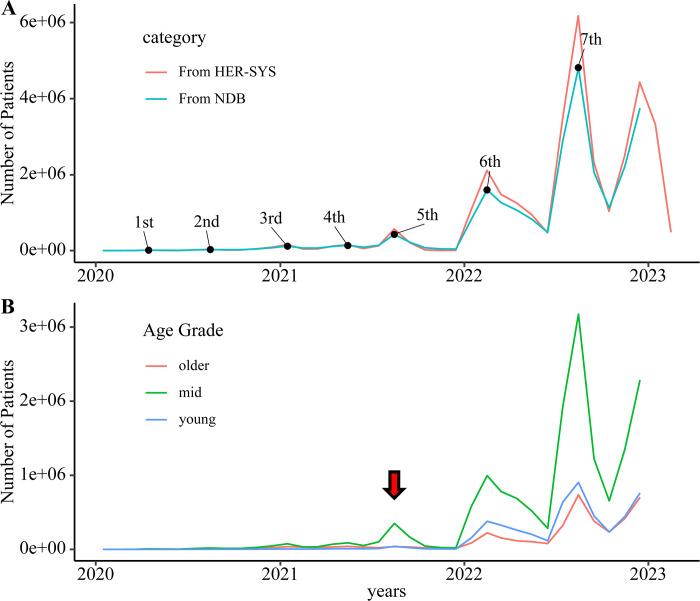
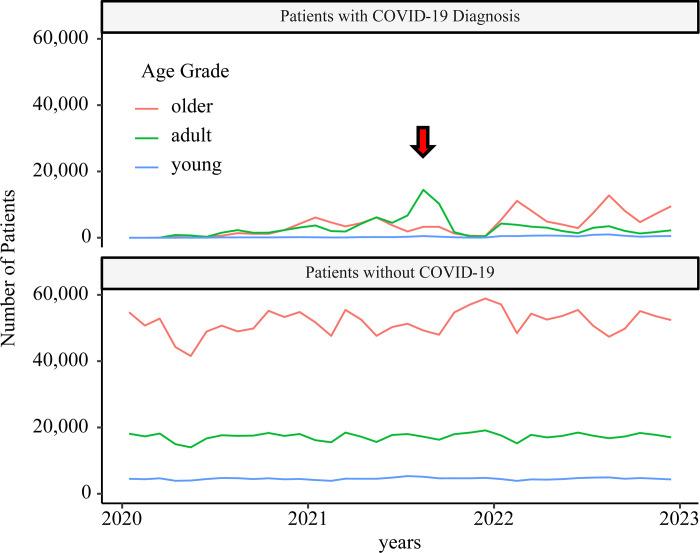
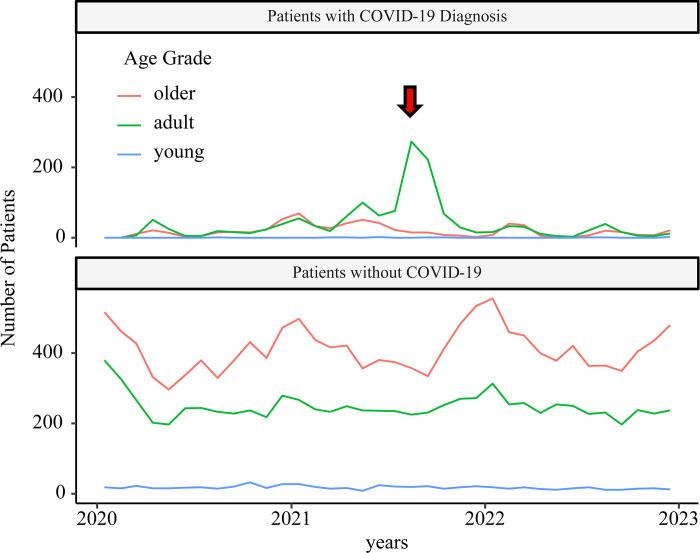
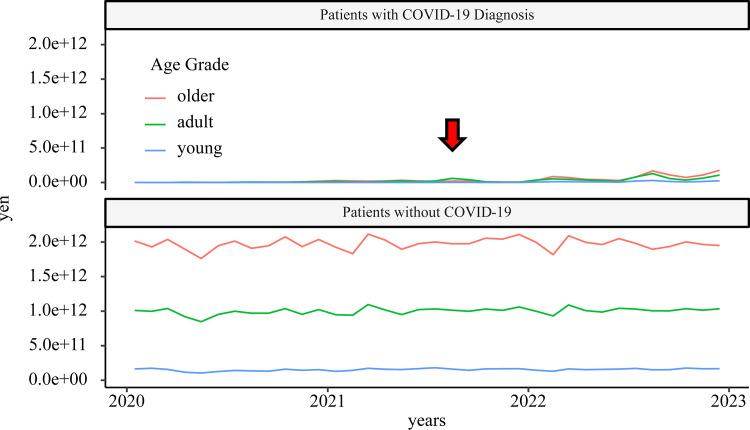
The wave around August 2021 with the Delta strain had the strongest impact on the working population in terms of hospital admission and respiratory support. For healthcare providers, this peak had the highest frequency of severely ill patients. In the subsequent wave, although the number of patients with COVID-19 remained high, they were predominantly older adults, with relatively fewer patients receiving intensive care.
CONCLUSIONS
In future pandemics, we should refer to the wave around August 2021 as a situation of medical resource shortage resulting from the COVID-19 pandemic.
目的
2019 年冠状病毒病(COVID-19)大流行呈现出数波威胁全球卫生保健的浪潮。在大流行期间,医疗资源枯竭。然而,每一波提供的医疗资源类型尚不清楚。本研究旨在检查 COVID-19 高峰时医疗服务提供的特征,为下一次大流行做准备。
方法
我们使用日本医疗保险索赔记录,按月按年龄组检查所有患者 COVID-19 感染的存在情况和医疗资源的使用情况。
结果
2021 年 8 月左右的 Delta 株浪潮对住院和呼吸支持方面的工作人群影响最大。对于医疗保健提供者来说,这一波疫情中重症患者的频率最高。在随后的一波疫情中,尽管 COVID-19 患者数量仍然很高,但他们主要是老年人,接受重症监护的患者相对较少。
结论
在未来的大流行中,我们应该将 2021 年 8 月左右的疫情视为 COVID-19 大流行导致的医疗资源短缺情况。




 Zotero 插件