
有益和致病细菌的群体感应相关活动对植物和人类健康有重要影响。
Quorum sensing-related activities of beneficial and pathogenic bacteria have important implications for plant and human health.
机构信息
Faculty of Biology, Microbe-Host Interactions, Ludwig-Maximilian-University Munich, Grosshaderner Str. 2, D-82152 Planegg/Martinsried, Germany.
Department of Environmental Sciences, Helmholtz Zentrum Munich, German Research Center for Health and Environment, Research Unit Microbe-Plant Interactions, Ingolstädter Landstr. 1, D-85762 Neuherberg, Germany.
出版信息
FEMS Microbiol Ecol. 2024 May 14;100(6). doi: 10.1093/femsec/fiae076.
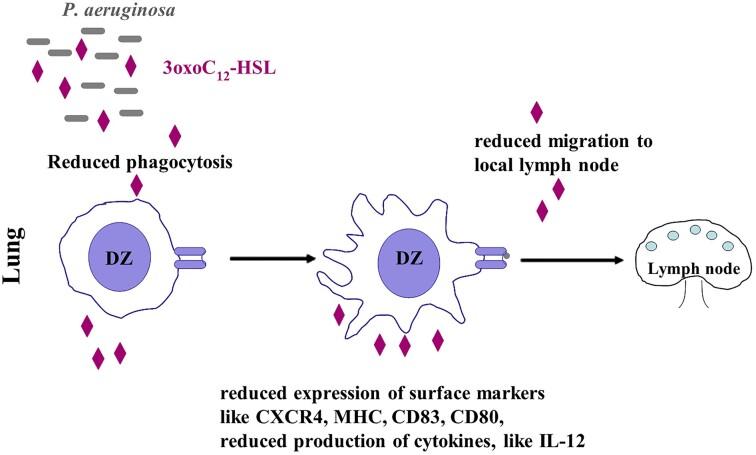
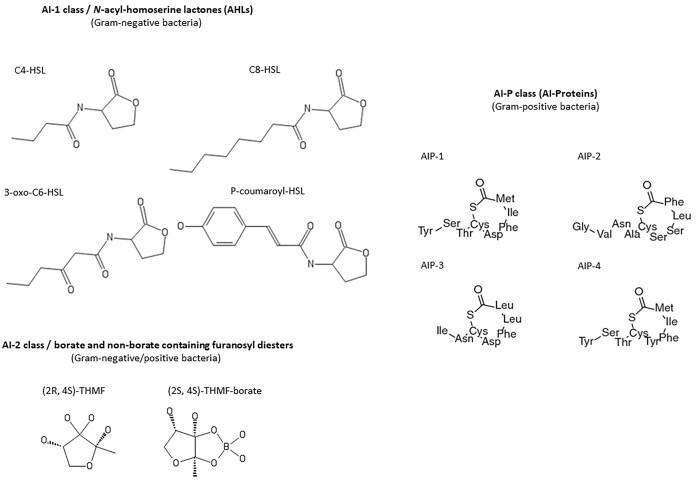
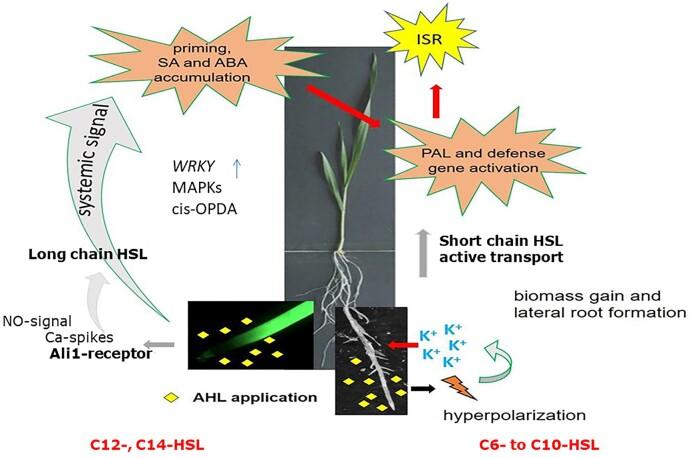
Eukaryotic organisms coevolved with microbes from the environment forming holobiotic meta-genomic units. Members of host-associated microbiomes have commensalic, beneficial/symbiotic, or pathogenic phenotypes. More than 100 years ago, Lorenz Hiltner, pioneer of soil microbiology, introduced the term 'Rhizosphere' to characterize the observation that a high density of saprophytic, beneficial, and pathogenic microbes are attracted by root exudates. The balance between these types of microbes decide about the health of the host. Nowadays we know, that for the interaction of microbes with all eukaryotic hosts similar principles and processes of cooperative and competitive functions are in action. Small diffusible molecules like (phyto)hormones, volatiles and quorum sensing signals are examples for mediators of interspecies and cross-kingdom interactions. Quorum sensing of bacteria is mediated by different autoinducible metabolites in a density-dependent manner. In this perspective publication, the role of QS-related activities for the health of hosts will be discussed focussing mostly on N-acyl-homoserine lactones (AHL). It is also considered that in some cases very close phylogenetic relations exist between plant beneficial and opportunistic human pathogenic bacteria. Based on a genome and system-targeted new understanding, sociomicrobiological solutions are possible for the biocontrol of diseases and the health improvement of eukaryotic hosts.
真核生物与环境中的微生物共同进化,形成了整体性元基因组单位。宿主相关微生物组的成员具有共生、有益/共生或致病表型。100 多年前,土壤微生物学的先驱 Lorenz Hiltner 引入了“根际”一词来描述这样一种观察结果,即大量腐生的、有益的和致病的微生物被根分泌物吸引。这些类型的微生物之间的平衡决定了宿主的健康状况。如今,我们知道,对于微生物与所有真核宿主的相互作用,类似的合作和竞争功能的原则和过程在起作用。像(植物)激素、挥发物和群体感应信号这样的小扩散分子是物种间和跨界相互作用的介质的例子。细菌的群体感应是通过不同的自动诱导代谢物以密度依赖的方式介导的。在这篇观点性的出版物中,将重点讨论与 QS 相关的活动对宿主健康的作用,主要关注 N-酰基高丝氨酸内酯 (AHL)。还认为,在某些情况下,植物有益菌和机会性病原体人类病原菌之间存在非常密切的系统发育关系。基于对基因组和系统的新理解,社会微生物学解决方案可用于控制疾病和改善真核宿主的健康。
 Zotero 插件