
埃塞俄比亚6至23个月大儿童富含铁的动物性食物消费中的社会经济和空间不平等:分解分析
Socio-economic and spatial inequalities in animal sources of iron-rich foods consumption among children 6-23 months old in Ethiopia: A decomposition analysis.
作者信息
Belay Daniel G, Wassie Molla M, Alemu Melaku Birhanu, Merid Mehari Woldemariam, Norman Richard, Tessema Gizachew A
机构信息
Department of Epidemiology and Biostatistics, Institute of Public Health, College of Medicine and Health Sciences, University of Gondar, Gondar, Ethiopia.
Curtin School of Population Health, Curtin University, Perth, Western Australia, Australia.
出版信息
PLOS Glob Public Health. 2024 May 16;4(5):e0003217. doi: 10.1371/journal.pgph.0003217. eCollection 2024.
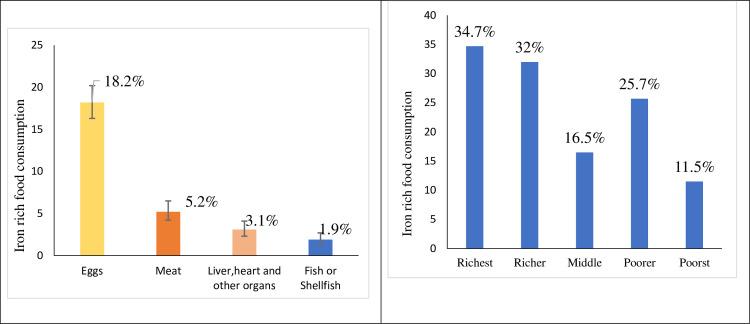
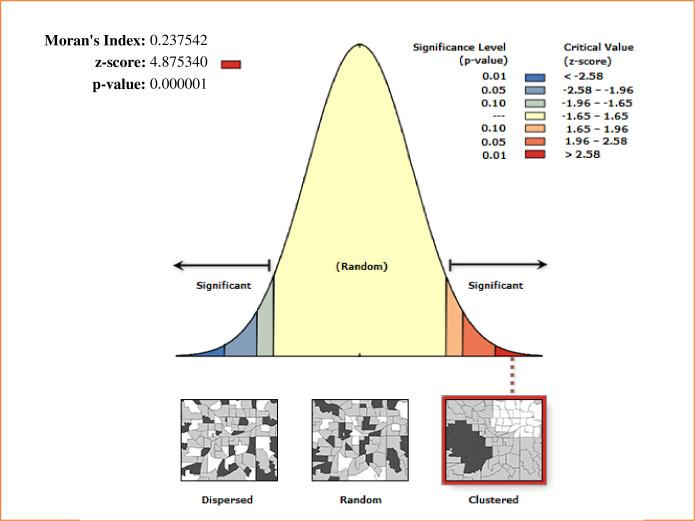
Iron deficiency anaemia is the most common type of anaemia in young children which can lead to long-term health consequences such as reduced immunity, impaired cognitive development, and school performance. As children experience rapid growth, they require a greater supply of iron from iron-rich foods to support their development. In addition to the low consumption of iron-rich foods in low- and lower-middle-income countries, there are also regional and socio-economic disparities. This study aimed to assess contributing factors of wealth-related inequality and geographic variations in animal sources of iron-rich food consumption among children aged 6-23 months in Ethiopia. We used data from the Ethiopian Mini Demographic and Health Surveys (EMDHS) 2019, a national survey conducted using stratified sampling techniques. A total of 1,461 children of age 6-23 months were included in the study. Iron-rich animal sources of food consumption were regarded when parents/caregivers reported that a child took at least one of the four food items identified as iron-rich food: 1) eggs, 2) meat (beef, lamb, goat, or chicken), 3) fresh or dried fish or shellfish, and 4) organs meat such as heart or liver. Concentration indices and curves were used to assess wealth-related inequalities. A Wagstaff decomposition analysis was applied to identify the contributing factors for wealth-related inequality of iron-rich animal source foods consumption. We estimated the elasticity of wealth-related inequality for a percentage change in socioeconomic variables. A spatial analysis was then used to map the significant cluster areas of iron-rich animal source food consumption among children in Ethiopia. The proportion of children who were given iron-rich animal-source foods in Ethiopia is 24.2% (95% CI: 22.1%, 26.5%), with figures ranging from 0.3% in Dire Dawa to 37.8% in the Oromia region. Children in poor households disproportionately consume less iron-rich animal-source foods than those in wealthy households, leading to a pro-rich wealth concentration index (C) = 0.25 (95% CI: 0.12, 0.37). The decomposition model explained approximately 70% of the estimated socio-economic inequality. About 21% of the wealth-related inequalities in iron-rich animal source food consumption in children can be explained by having primary or above education status of women. Mother's antenatal care (ANC) visits (14.6%), living in the large central and metropolitan regions (12%), household wealth index (10%), and being in the older age group (12-23 months) (2.4%) also contribute to the wealth-related inequalities. Regions such as Afar, Eastern parts of Amhara, and Somali were geographic clusters with low iron-rich animal source food consumption. There is a low level of iron-rich animal source food consumption among children, and it is disproportionately concentrated in the rich households (pro-rich distribution) in Ethiopia. Maternal educational status, having ANC visits, children being in the older age group (12-23 months), and living in large central and metropolitan regions were significant contributors to these wealth-related inequalities in iron-rich animal source foods consumption. Certain parts of Ethiopia such as, Afar, Eastern parts of Amhara, and Somali should be considered priority areas for nutritional interventions to increase children's iron-rich animal source foods consumption.
缺铁性贫血是幼儿中最常见的贫血类型,可能导致长期健康问题,如免疫力下降、认知发育受损和学业表现不佳。由于儿童生长迅速,他们需要从富含铁的食物中获取更多的铁来支持发育。除了低收入和中低收入国家富含铁的食物消费量较低外,还存在地区和社会经济差异。本研究旨在评估埃塞俄比亚6至23个月儿童中与财富相关的不平等以及富含铁的动物性食物消费的地理差异的影响因素。我们使用了2019年埃塞俄比亚微型人口与健康调查(EMDHS)的数据,这是一项采用分层抽样技术进行的全国性调查。共有1461名6至23个月的儿童纳入研究。当父母/照顾者报告孩子食用了以下四种被确定为富含铁的食物中的至少一种时,视为食用了富含铁的动物性食物:1)鸡蛋,2)肉类(牛肉、羊肉、山羊肉或鸡肉),3)新鲜或干鱼或贝类,4)内脏肉,如心脏或肝脏。使用浓度指数和曲线来评估与财富相关的不平等。应用瓦格斯塔夫分解分析来确定富含铁的动物性食物消费与财富相关不平等的影响因素。我们估计了社会经济变量百分比变化时与财富相关不平等的弹性。然后使用空间分析来绘制埃塞俄比亚儿童中富含铁的动物性食物消费的显著聚集区域。埃塞俄比亚食用富含铁的动物性食物的儿童比例为24.2%(95%置信区间:22.1%,26.5%),从迪雷达瓦的0.3%到奥罗米亚地区的37.8%不等。贫困家庭的儿童比富裕家庭的儿童食用富含铁的动物性食物的比例低得多,导致有利于富人的财富集中指数(C)=0.25(95%置信区间:0.12,0.37)。分解模型解释了估计的社会经济不平等的约70%。儿童中富含铁的动物性食物消费与财富相关不平等的约21%可由女性接受小学及以上教育程度来解释。母亲的产前检查(ANC)次数(14.6%)、居住在中部大型和大都市地区(12%)、家庭财富指数(10%)以及年龄较大(1至23个月)(2.4%)也导致了与财富相关的不平等。阿法尔、阿姆哈拉东部和索马里等地区是富含铁的动物性食物消费较低的地理聚集区。埃塞俄比亚儿童中富含铁的动物性食物消费水平较低,且不成比例地集中在富裕家庭(有利于富人的分布)。母亲的教育状况、进行产前检查、儿童年龄较大(12至23个月)以及居住在中部大型和大都市地区是这些与财富相关的富含铁的动物性食物消费不平等的重要因素。埃塞俄比亚的某些地区,如阿法尔、阿姆哈拉东部和索马里,应被视为增加儿童富含铁的动物性食物消费的营养干预优先地区。




 Zotero 插件