
家蝇防御素样肽新家族具有抗菌特性。
A novel family of defensin-like peptides from Hermetia illucens with antibacterial properties.
机构信息
Department of Veterinary Medicine, University of Cambridge, Cambridge, UK.
Better Origin, Future Business Centre, Cambridge, UK.
出版信息
BMC Microbiol. 2024 May 16;24(1):167. doi: 10.1186/s12866-024-03325-1.
BACKGROUND
The world faces a major infectious disease challenge. Interest in the discovery, design, or development of antimicrobial peptides (AMPs) as an alternative approach for the treatment of bacterial infections has increased. Insects are a good source of AMPs which are the main effector molecules of their innate immune system. Black Soldier Fly Larvae (BSFL) are being developed for large-scale rearing for food sustainability, waste reduction and as sustainable animal and fish feed. Bioinformatic studies have suggested that BSFL have the largest number of AMPs identified in insects. However, most AMPs identified in BSF have not yet undergone antimicrobial evaluation but are promising leads to treat critical infections.
RESULTS
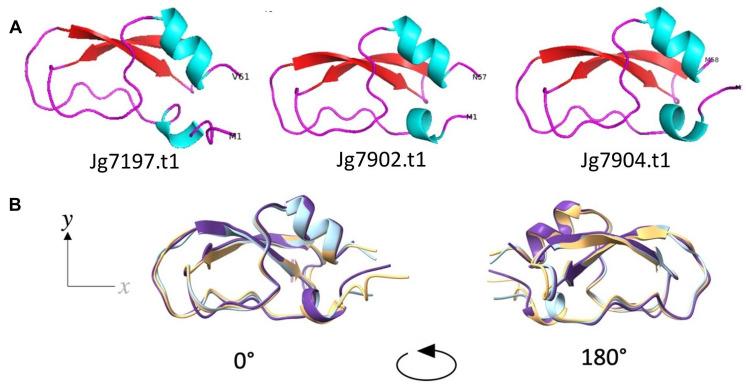
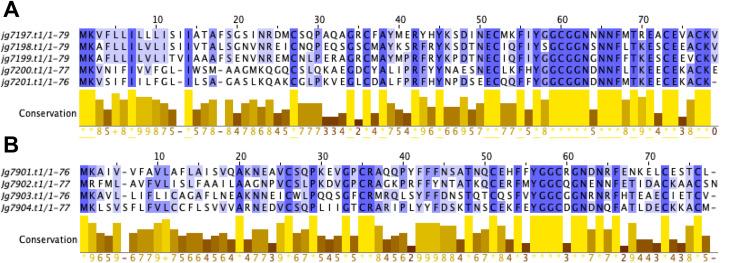
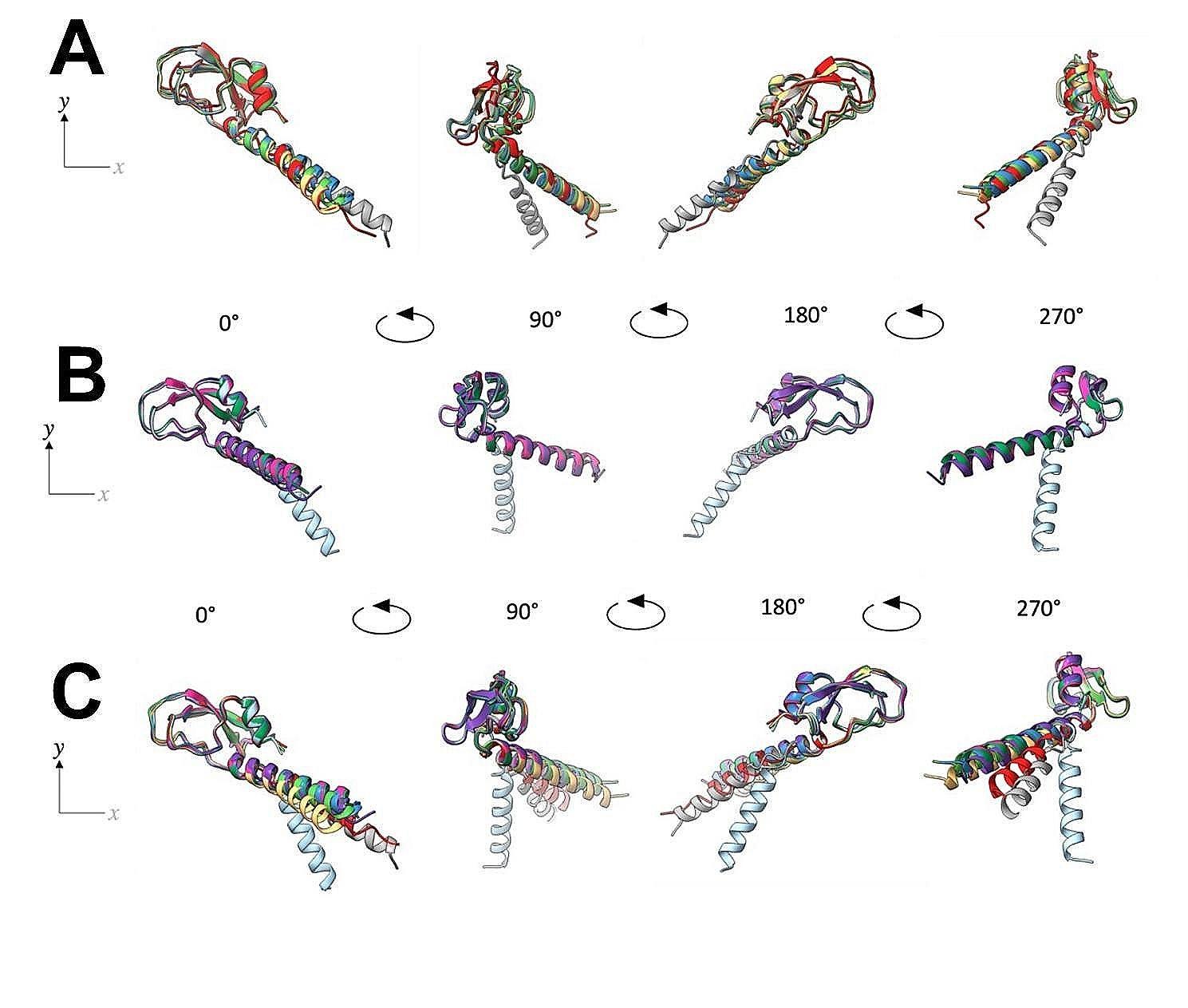
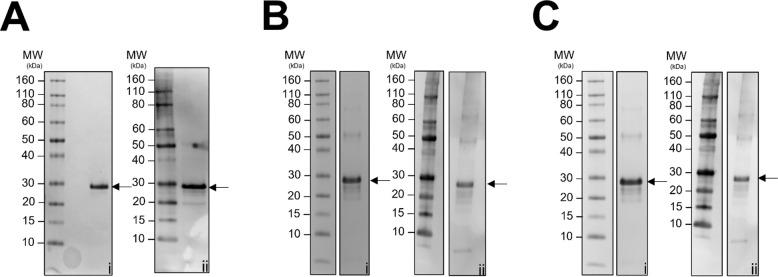
Jg7197.t1, Jg7902.t1 and Jg7904.t1 were expressed into the haemolymph of larvae following infection with Salmonella enterica serovar Typhimurium and were predicted to be AMPs using the computational tool ampir. The genes encoding these proteins were within 2 distinct clusters in chromosome 1 of the BSF genome. Following removal of signal peptides, predicted structures of the mature proteins were superimposed, highlighting a high degree of structural conservation. The 3 AMPs share primary sequences with proteins that contain a Kunitz-binding domain; characterised for inhibitory action against proteases, and antimicrobial activities. An in vitro antimicrobial screen indicated that heterologously expressed SUMO-Jg7197.t1 and SUMO-Jg7902.t1 did not show activity against 12 bacterial strains. While recombinant SUMO-Jg7904.t1 had antimicrobial activity against a range of Gram-negative and Gram-positive bacteria, including the serious pathogen Pseudomonas aeruginosa.
CONCLUSIONS
We have cloned and purified putative AMPs from BSFL and performed initial in vitro experiments to evaluate their antimicrobial activity. In doing so, we have identified a putative novel defensin-like AMP, Jg7904.t1, encoded in a paralogous gene cluster, with antimicrobial activity against P. aeruginosa.
背景
世界面临着重大传染病的挑战。人们对发现、设计或开发抗菌肽 (AMPs) 作为治疗细菌感染的替代方法越来越感兴趣。昆虫是 AMPs 的良好来源,它们是昆虫先天免疫系统的主要效应分子。黑水虻幼虫(BSFL)正在为大规模饲养以实现食物可持续性、减少废物和作为可持续动物和鱼类饲料而开发。生物信息学研究表明,BSFL 中鉴定出的 AMPs 数量最多。然而,BSFL 中大多数已鉴定的 AMPs 尚未进行抗菌评估,但它们是治疗严重感染的有希望的先导物。
结果
Jg7197.t1、Jg7902.t1 和 Jg7904.t1 在感染鼠伤寒沙门氏菌后被表达到幼虫的血淋巴中,并使用计算工具 ampir 预测为 AMPs。编码这些蛋白质的基因位于 BSF 基因组第 1 号染色体上的 2 个不同簇中。去除信号肽后,成熟蛋白的预测结构叠加在一起,突出了高度的结构保守性。这 3 种 AMP 与含有 Kunitz 结合域的蛋白质具有相同的一级序列;以抑制蛋白酶和抗菌活性为特征。体外抗菌筛选表明,异源表达的 SUMO-Jg7197.t1 和 SUMO-Jg7902.t1 对 12 种细菌菌株均无活性。而重组 SUMO-Jg7904.t1 对多种革兰氏阴性和革兰氏阳性细菌具有抗菌活性,包括严重的病原体铜绿假单胞菌。
结论
我们已经从 BSFL 中克隆和纯化了推定的 AMPs,并进行了初步的体外实验来评估它们的抗菌活性。通过这样做,我们鉴定了一种推定的新型防御素样 AMP,Jg7904.t1,它编码在一个旁系基因簇中,对铜绿假单胞菌具有抗菌活性。

 Zotero 插件