
表达A群链球菌表位p*17的嵌合乙型肝炎表面抗原病毒样颗粒在小鼠体内引发体液免疫反应。
Chimeric hepatitis B surface antigen virus-like particles expressing the strep A epitope p*17 elicit a humoral immune response in mice.
作者信息
Dooley Leanne, Ahmad Tarek, Ozberk Victoria, Pandey Manisha, Good Michael, Kotiw Michael
机构信息
School of Health and Medical Sciences, University of Southern Queensland, Toowoomba, Queensland, Australia.
Institute for Life Sciences and the Environment, University of Southern Queensland, Toowoomba, Queensland, Australia.
出版信息
Heliyon. 2024 May 4;10(9):e30606. doi: 10.1016/j.heliyon.2024.e30606. eCollection 2024 May 15.
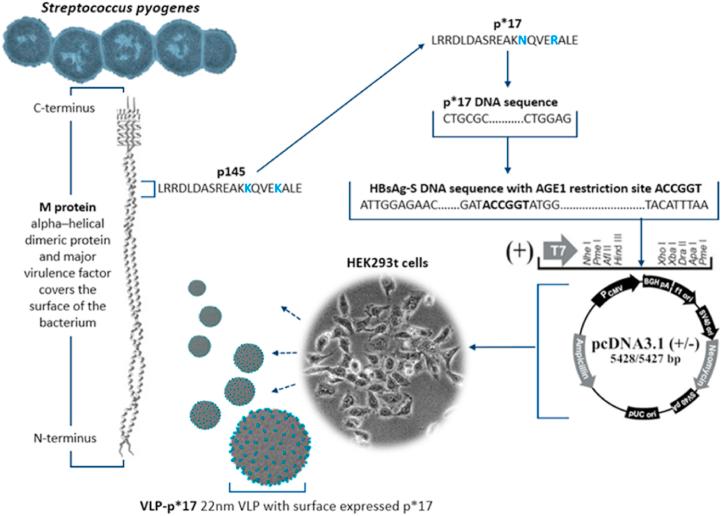
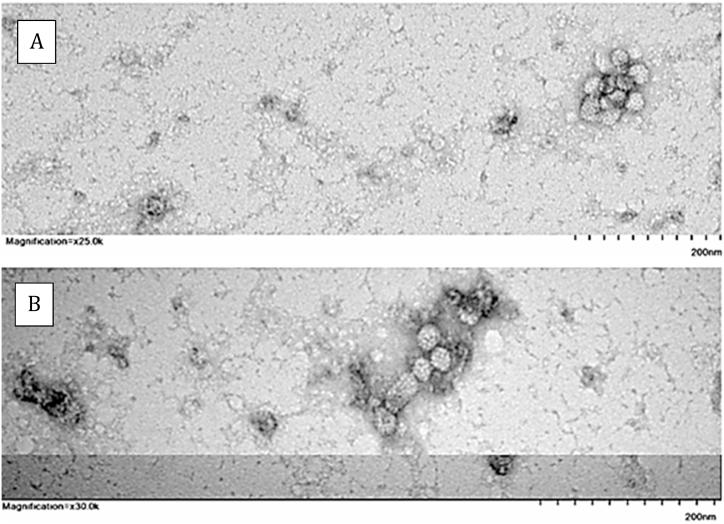
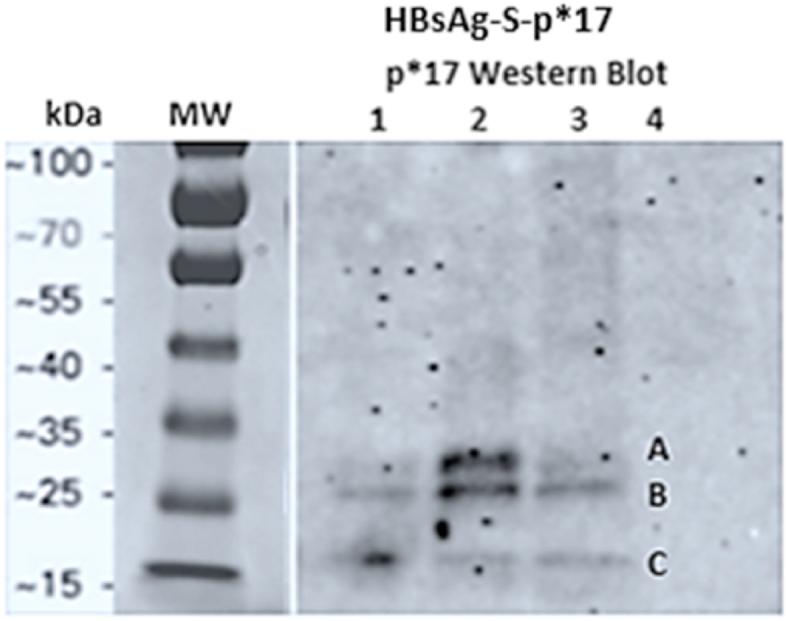
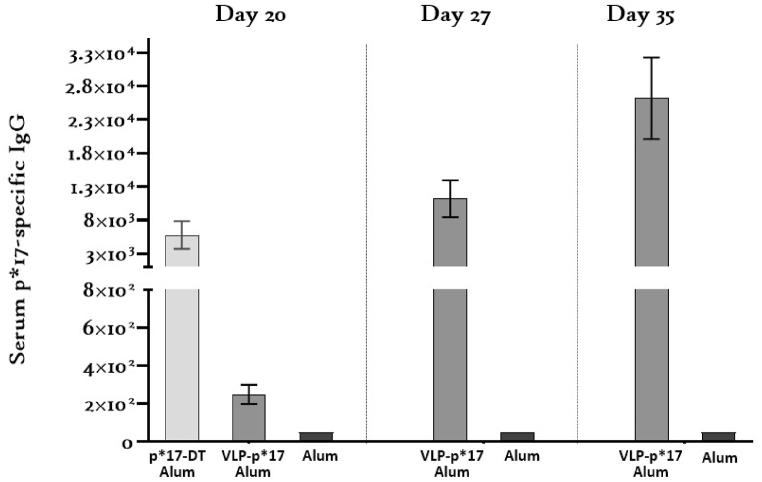
To optimize immunogenicity, bacterial epitopes in putative vaccine constructs can be presented to immune cells as multiple repeated structures on a defined nanoparticle. Virus-like particles (VLPs) are viral capsid proteins that self-assemble to form compact and highly ordered nanoparticles that are within the optimal size range for uptake by dendritic cells. VLPs mimic the live virus in size and form but contain no viral genetic material, are therefore noninfective and are the basis of safe and effective vaccines against hepatitis B virus (HBV) and human papillomavirus (HPV). Due to their particulate nature, molecular stability, and expression of high density and repetitive antigen displays, recombinant cell culture-derived VLPs are ideal platforms for the delivery of small molecules, including bacterial epitopes. We developed a putative vaccine by expressing a minimal epitope from the bacterium (Strep A) on the surface of a recombinant VLP comprising multiple copies of HBV small envelope protein (HBsAg-S). Strep A is responsible for a wide spectrum of human infections and postinfectious diseases that disproportionately affect children and young adults living in resource-poor communities. No vaccine is currently available to offer sufficiently broad protection from the numerous and diverse strains of Strep A endemic in these at-risk populations. The Strep A antigen targeted by our vaccine construct is p17, a cryptic epitope from a highly conserved region of the Strep A M-protein with demonstrated enhanced immunogenicity and broad protective potential against Strep A. To ensure surface expression and optimal immunogenicity, we expressed p17 within the immunodominant "a" determinant of HBsAg-S. The recombinant VLPs (VLP-p17) expressed in HEK293T cells spontaneously formed 22 nm particles and induced the production of high titers of p17-specific IgG in BALB/c mice immunized with three 0.5 μg doses of VLP-p*17 formulated with adjuvant.
为优化免疫原性,可将假定疫苗构建体中的细菌表位作为定义明确的纳米颗粒上的多个重复结构呈现给免疫细胞。病毒样颗粒(VLP)是病毒衣壳蛋白,可自组装形成紧密且高度有序的纳米颗粒,其大小处于树突状细胞摄取的最佳范围内。VLP在大小和形态上模拟活病毒,但不含病毒遗传物质,因此无感染性,是针对乙型肝炎病毒(HBV)和人乳头瘤病毒(HPV)的安全有效疫苗的基础。由于其颗粒性质、分子稳定性以及高密度和重复抗原展示的表达,重组细胞培养衍生的VLP是递送小分子(包括细菌表位)的理想平台。我们通过在包含多个拷贝的HBV小包膜蛋白(HBsAg-S)的重组VLP表面表达来自细菌(A群链球菌)的最小表位,开发了一种假定疫苗。A群链球菌导致多种人类感染和感染后疾病,对生活在资源匮乏社区的儿童和年轻人影响尤为严重。目前尚无疫苗能够对这些高危人群中流行的众多不同A群链球菌菌株提供足够广泛的保护。我们的疫苗构建体所靶向的A群链球菌抗原是p17,它是A群链球菌M蛋白高度保守区域的一个隐蔽表位,已证明具有增强的免疫原性和针对A群链球菌的广泛保护潜力。为确保表面表达和最佳免疫原性,我们在HBsAg-S免疫显性的“a”决定簇内表达p17。在HEK293T细胞中表达的重组VLP(VLP-p17)自发形成22纳米颗粒,并在用佐剂配制的三剂0.5微克VLP-p17免疫的BALB/c小鼠中诱导产生高滴度的p*17特异性IgG。



 Zotero 插件