
垃圾桶中的未来——食物垃圾的生物转化作为循环生物经济的驱动力。
The future in the litter bin - bioconversion of food waste as driver of a circular bioeconomy.
作者信息
Razouk Afraa, Tiganescu Eduard, von Glahn Anthea Julia, Abdin Ahmad Yaman, Nasim Muhammad Jawad, Jacob Claus
机构信息
Division of Bioorganic Chemistry, School of Pharmacy, Saarland University, Saarbruecken, Germany.
出版信息
Front Nutr. 2024 May 6;11:1325190. doi: 10.3389/fnut.2024.1325190. eCollection 2024.
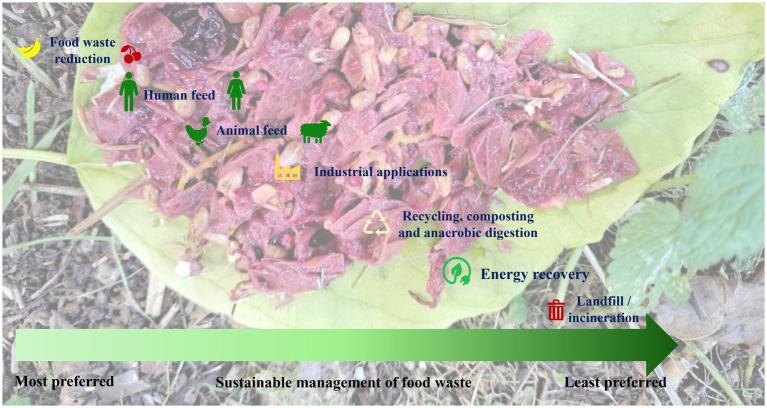
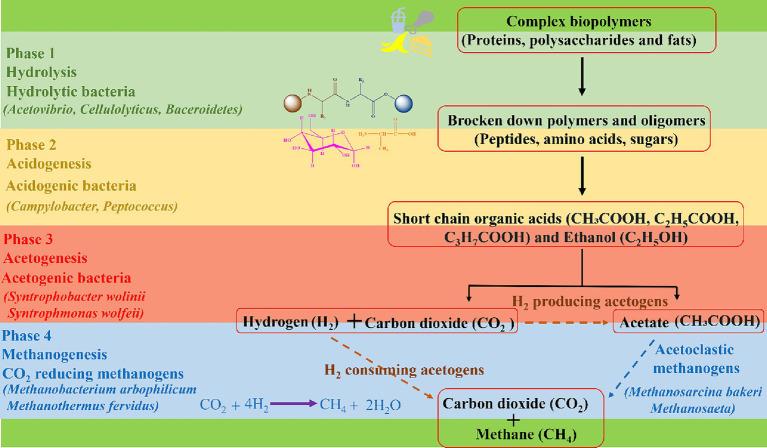
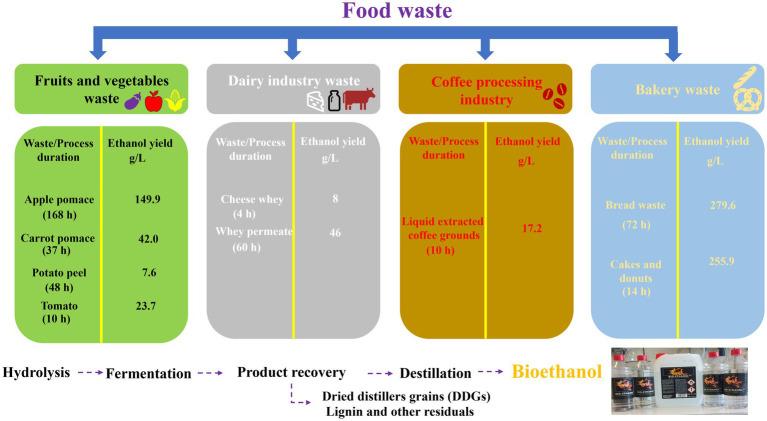
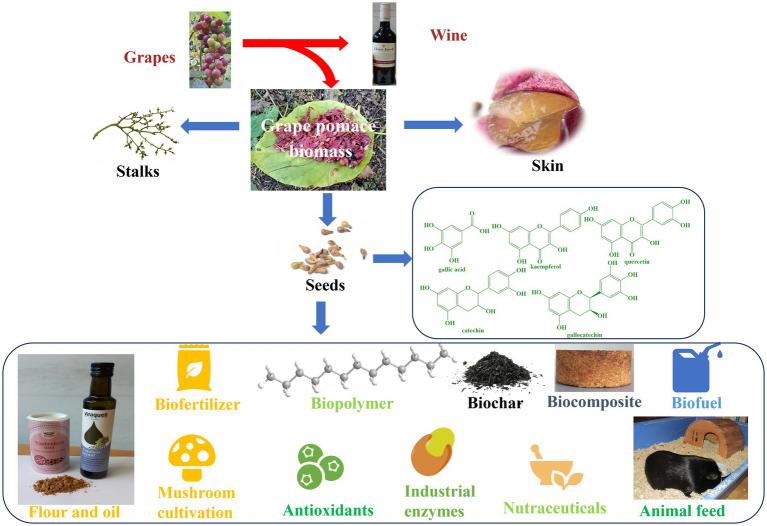
Bioconversion of organic waste requires the development and application of rather simple, yet robust technologies capable of transferring biomass into energy and sustainable materials for the future. Food waste plays a significant role in this process as its valorisation reduces waste and at the same time avoids additional exploitation of primary resources. Nonetheless, to literally become "litterate". extensive research into such robust large-scale methods is required. Here, we highlight some promising avenues and materials which fulfill these "waste to value" requirements, from various types of food waste as sustainable sources for biogas, bioethanol and biodiesel to fertilizers and antioxidants from grape pomace, from old-fashioned fermentation to the magic of anaerobic digestion.
有机废物的生物转化需要开发和应用相当简单但强大的技术,这些技术能够将生物质转化为能源和未来的可持续材料。食物垃圾在这一过程中发挥着重要作用,因为对其进行增值处理既能减少垃圾,又能避免对初级资源的额外开采。然而,要真正实现“变废为宝”,需要对这种强大的大规模方法进行广泛研究。在这里,我们重点介绍一些有前景的途径和材料,它们满足了这些“变废为宝”的要求,从各类食物垃圾作为沼气、生物乙醇和生物柴油的可持续来源,到葡萄皮渣制成的肥料和抗氧化剂,从传统发酵到厌氧消化的神奇之处。



 Zotero 插件