
GhVIM28,一个从 VIM 家族基因中鉴定出的负调控因子,对棉花的盐胁迫有正向响应。
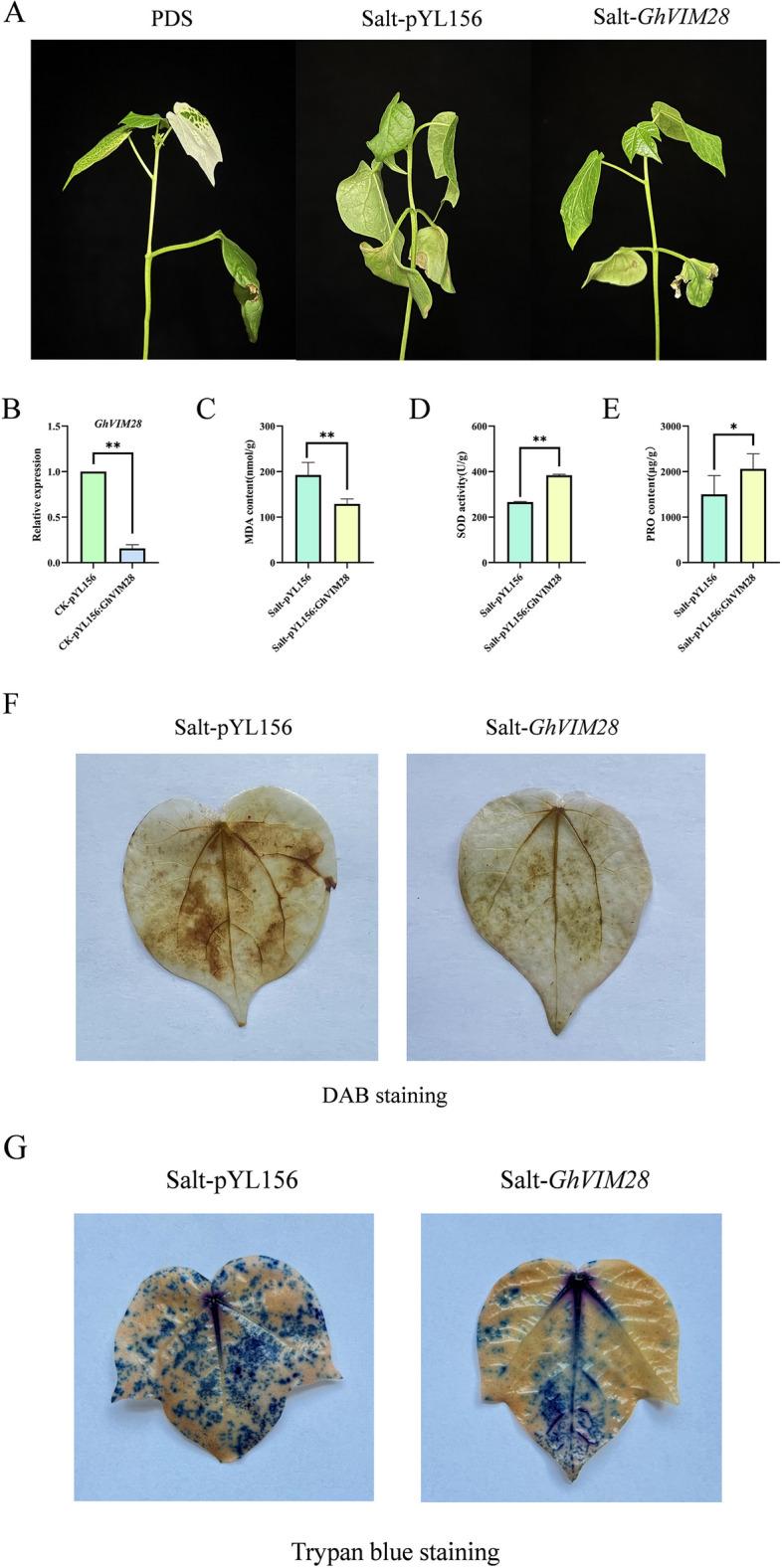
GhVIM28, a negative regulator identified from VIM family genes, positively responds to salt stress in cotton.
机构信息
Institute of Cotton Research of Chinese Academy of Agricultural Sciences / Zhengzhou Research Base, State Key Laboratory of Cotton Bio-Breeding and Integrated Utilization, School of Agricultural Sciences, Zhengzhou University / National Center of Technology Innovation for Comprehensive Utilization of Saline-Alkali Land, Anyang, Henan, 455000, China.
Engineering Research Centre of Cotton, Ministry of Education / College of Agriculture, Xinjiang Agricultural University, 311 Nongda East Road, Urumqi, 830052, China.
出版信息
BMC Plant Biol. 2024 May 21;24(1):432. doi: 10.1186/s12870-024-05156-8.
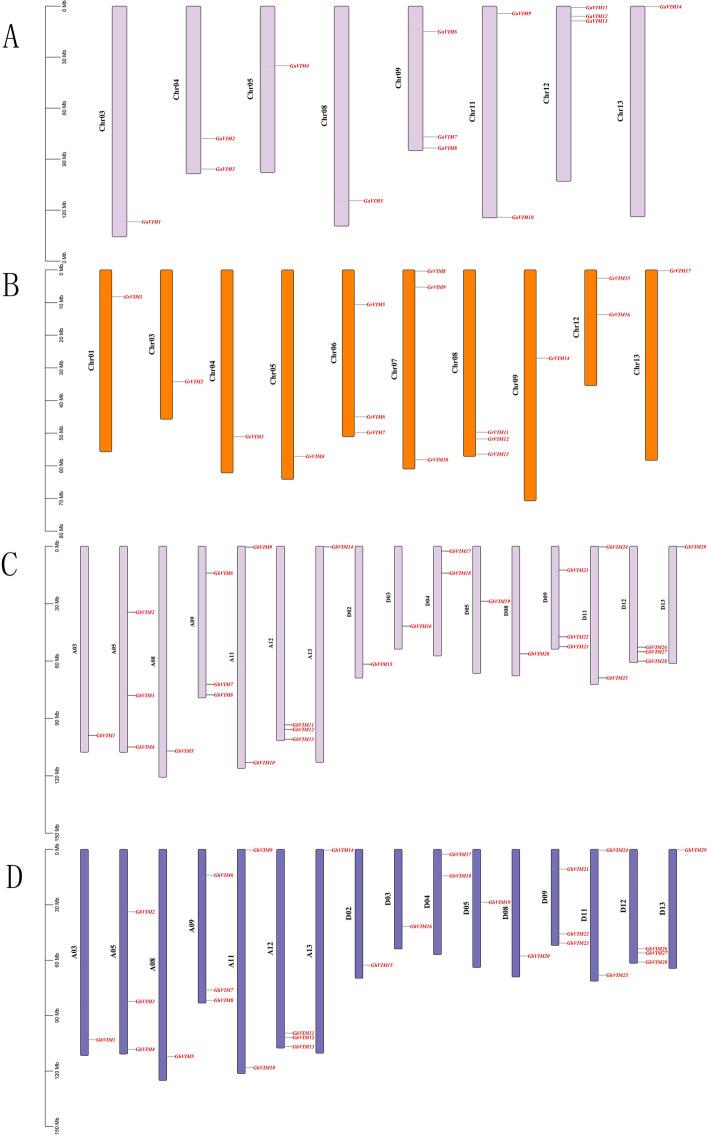
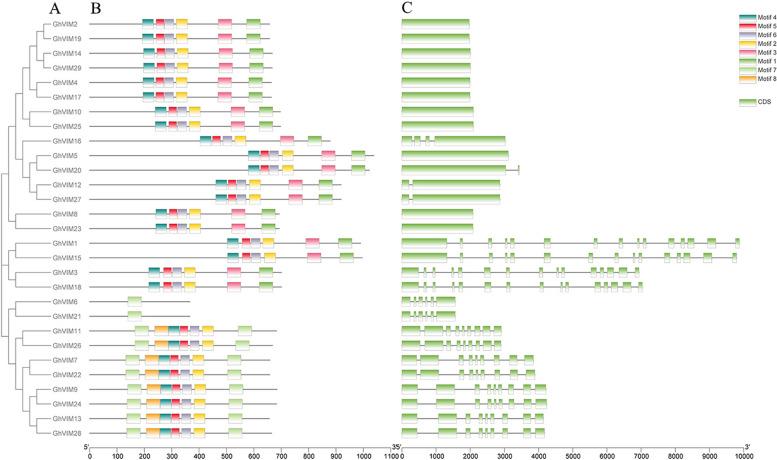
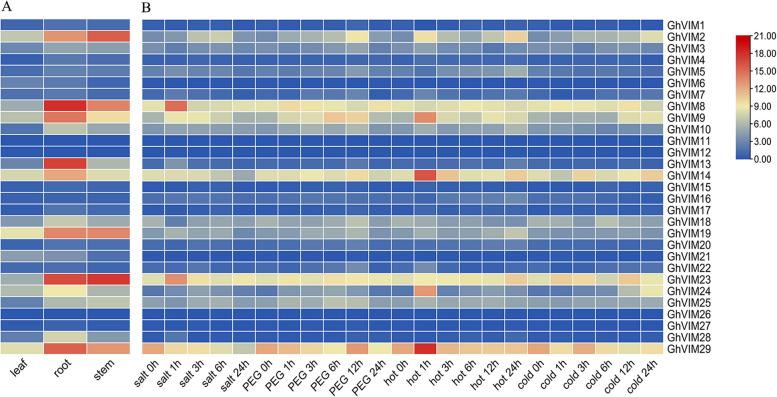
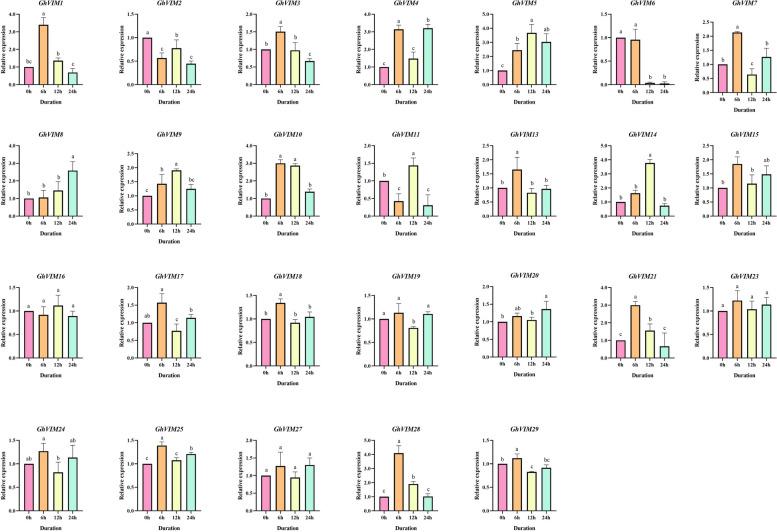
The VIM (belonged to E3 ubiquitin ligase) gene family is crucial for plant growth, development, and stress responses, yet their role in salt stress remains unclear. We analyzed phylogenetic relationships, chromosomal localization, conserved motifs, gene structure, cis-acting elements, and gene expression patterns of the VIM gene family in four cotton varieties. Our findings reveal 29, 29, 17, and 14 members in Gossypium hirsutum (G.hirsutum), Gossypium barbadense (G.barbadense), Gossypium arboreum (G.arboreum), and Gossypium raimondii (G. raimondii), respectively, indicating the maturity and evolution of this gene family. motifs among GhVIMs genes were observed, along with the presence of stress-responsive, hormone-responsive, and growth-related elements in their promoter regions. Gene expression analysis showed varying patterns and tissue specificity of GhVIMs genes under abiotic stress. Silencing GhVIM28 via virus-induced gene silencing revealed its role as a salt-tolerant negative regulator. This work reveals a mechanism by which the VIM gene family in response to salt stress in cotton, identifying a potential negative regulator, GhVIM28, which could be targeted for enhancing salt tolerance in cotton. The objective of this study was to explore the evolutionary relationship of the VIM gene family and its potential function in salt stress tolerance, and provide important genetic resources for salt tolerance breeding of cotton.
VIM(属于 E3 泛素连接酶)基因家族对植物的生长、发育和应激反应至关重要,但它们在盐胁迫中的作用尚不清楚。我们分析了四个棉花品种中 VIM 基因家族的系统发育关系、染色体定位、保守基序、基因结构、顺式作用元件和基因表达模式。我们的研究结果表明,在陆地棉(G.hirsutum)、海岛棉(G.barbadense)、亚洲棉(G.arboreum)和雷蒙德氏棉(G.raimondii)中分别有 29、29、17 和 14 个成员,这表明该基因家族的成熟和进化。在 GhVIMs 基因中观察到了基序,并且在它们的启动子区域存在与应激反应、激素反应和生长相关的元件。基因表达分析显示,GhVIMs 基因在非生物胁迫下表现出不同的表达模式和组织特异性。通过病毒诱导的基因沉默沉默 GhVIM28 表明它作为盐耐受负调节剂的作用。这项工作揭示了 VIM 基因家族在棉花响应盐胁迫的机制,鉴定出一个潜在的负调节剂 GhVIM28,它可以作为棉花耐盐性的靶标。本研究旨在探讨 VIM 基因家族的进化关系及其在盐胁迫耐受中的潜在功能,为棉花耐盐性育种提供重要的遗传资源。



 Zotero 插件