
正丁烯基苯酞通过丝裂原活化蛋白激酶(MAPK)途径上调核受体4A1(NR4A1)可改善药物性牙龈增生。
Nuclear receptor 4A1 (NR4A1) upregulated by n-butylidenephthalide via the mitogen-activated protein kinase (MAPK) pathway ameliorates drug-induced gingival enlargement.
作者信息
Ueda Tomoya, Matsuda Shinji, Ninomiya Yurika, Nakashima Fuminori, Yasuda Keisuke, Furutama Daisuke, Memida Takumi, Yoshimoto Tetsuya, Kajiya Mikihito, Ohta Kouji, Ouhara Kazuhisa, Mizuno Noriyoshi
机构信息
Department of Periodontal Medicine, Graduate School of Biomedical and Health Sciences, Hiroshima University, Hiroshima, Japan.
Department of Biological Endodontics, Graduate School of Biomedical and Health Sciences, Hiroshima University, Hiroshima, Japan.
出版信息
Biofactors. 2024 Nov-Dec;50(6):1192-1207. doi: 10.1002/biof.2077. Epub 2024 May 22.
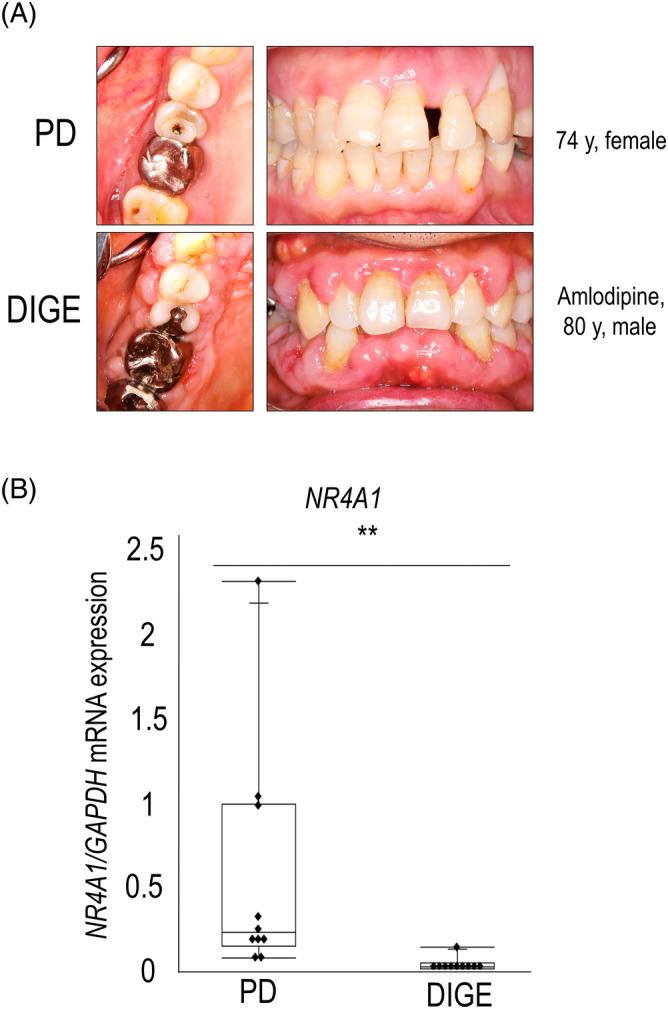
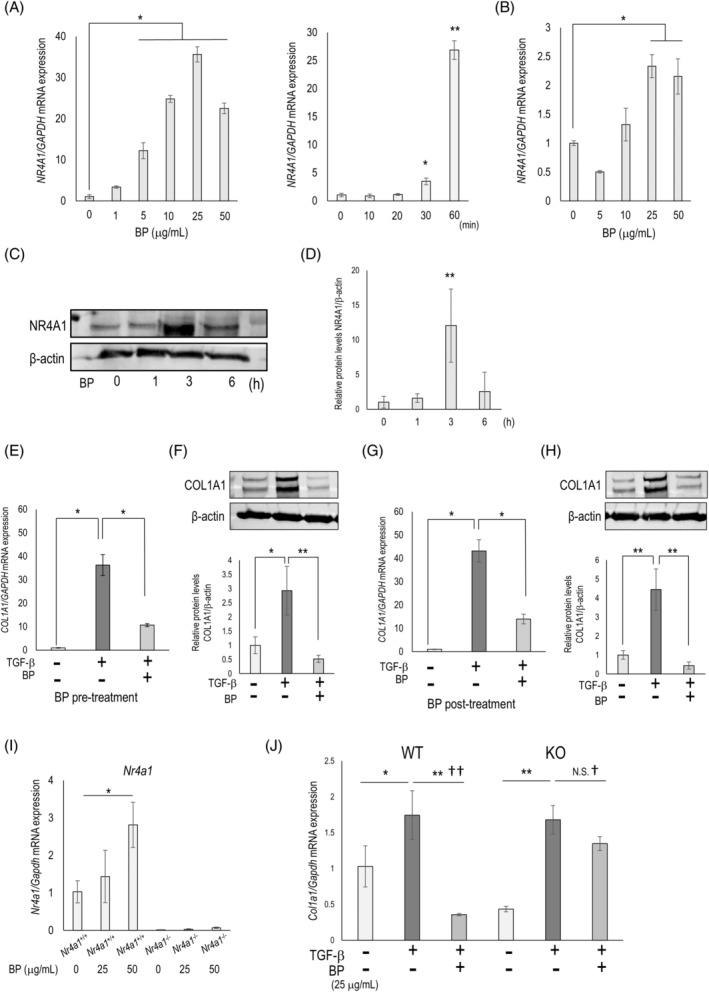
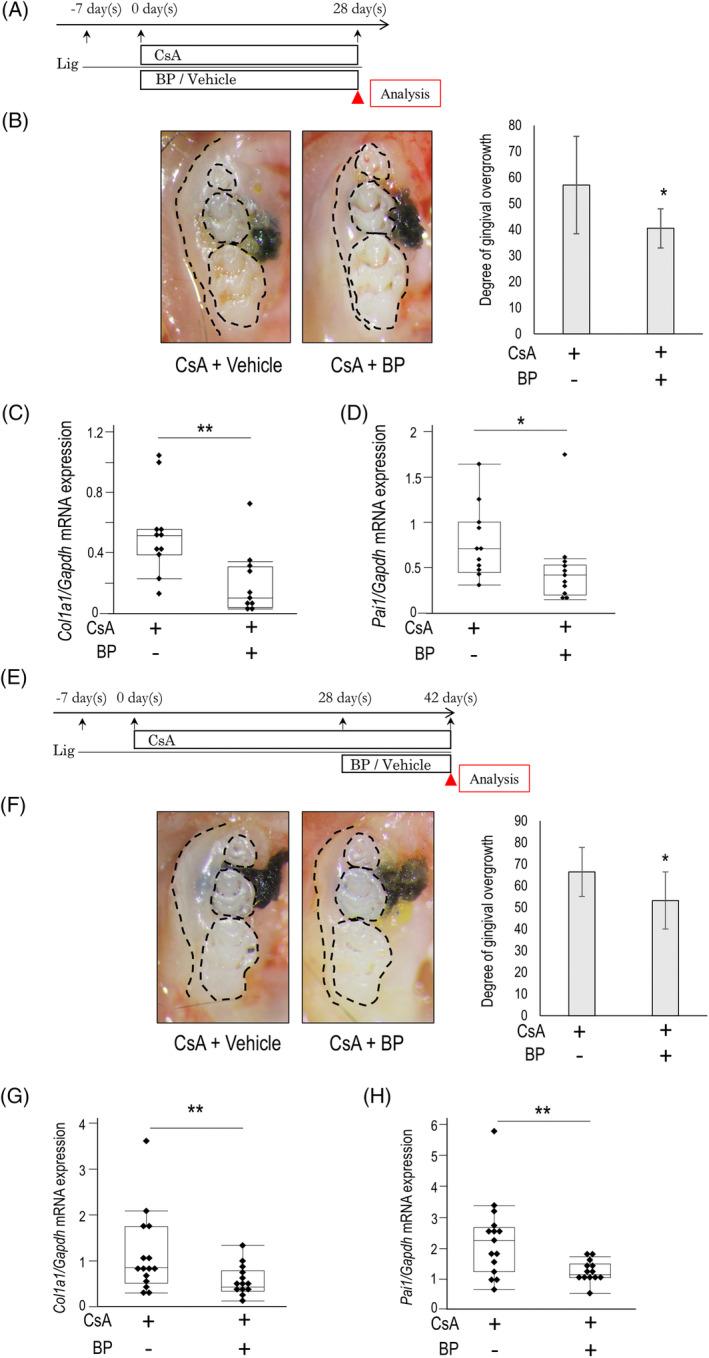
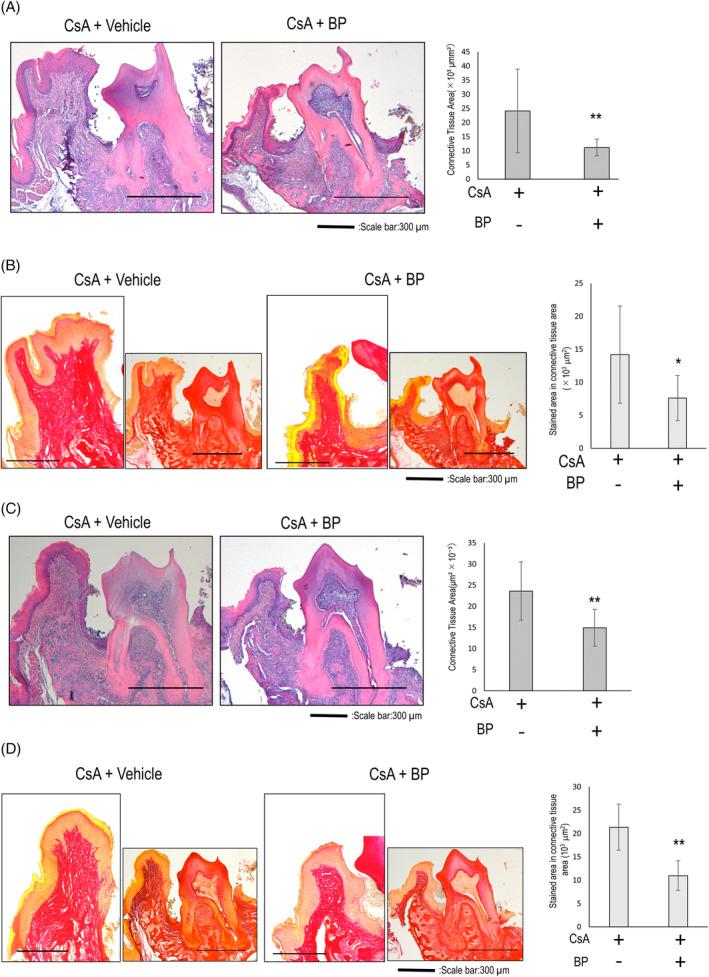
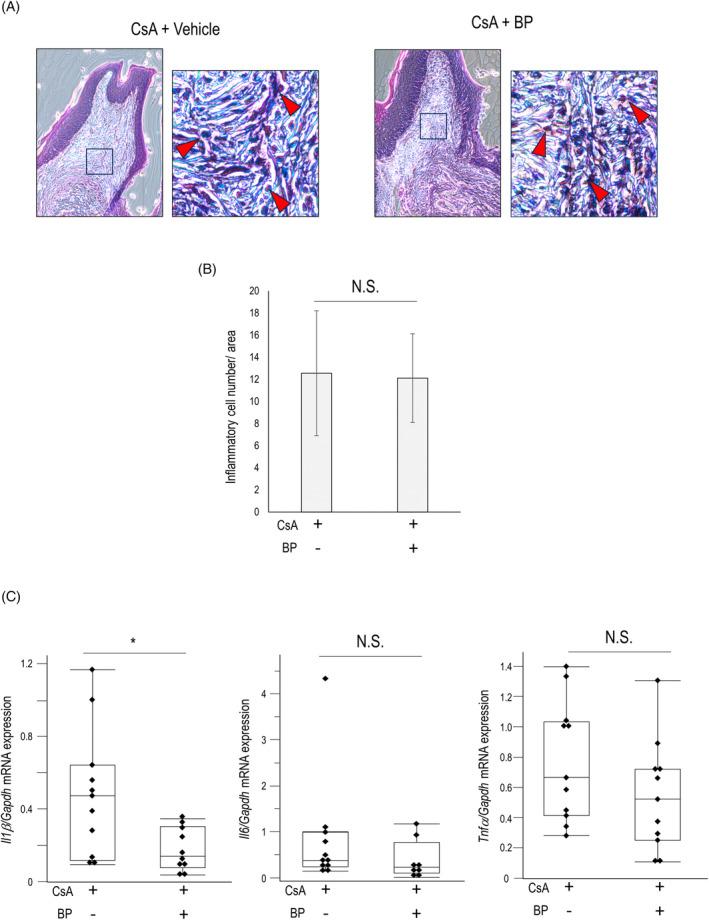
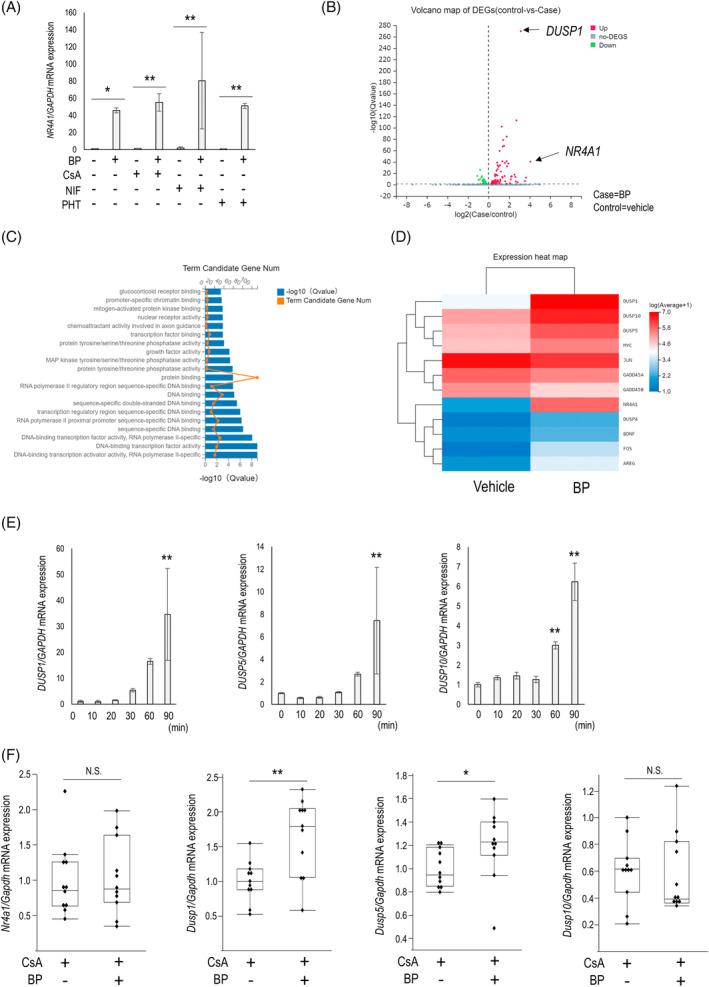
Drug-induced gingival enlargement (DIGE) is a side effect of ciclosporin, calcium channel blockers, and phenytoin. DIGE is a serious disease that leads to masticatory and esthetic disorders, severe caries, and periodontitis but currently has no standard treatment. We recently reported that nuclear receptor 4A1 (NR4A1) is a potential therapeutic target for DIGE. This study aimed to evaluate the therapeutic effects of n-butylidenephthalide (BP), which increases the expression of NR4A1, on DIGE. In this study, NR4A1 mRNA expression was analyzed in the patients with periodontal disease (PD) and DIGE. We evaluated the effect of BP on NR4A1 expression in gingival fibroblasts and in a DIGE mouse model. RNA sequencing (RNA-seq) was conducted to identify the mechanisms by which BP increases NR4A1 expression. The results showed that NR4A1 mRNA expression in the patients with DIGE was significantly lower than the patients with PD. BP suppressed the upregulation of COL1A1 expression, which was upregulated by TGF-β. BP also ameliorated gingival overgrowth in DIGE mice and reduced Col1a1 and Pai1 expression. BP also decreased Il1β mRNA expression in gingival tissue in DIGE. RNA-seq results showed an increase in the expression of several genes related to mitogen-activated protein kinase including DUSP genes in gingival fibroblasts stimulated by BP. Treatment with ERK and JNK inhibitors suppressed the BP-induced increase in NR4A1 expression. In addition, BP promoted the phosphorylation of ERK in gingival fibroblasts. In conclusion, BP increases NR4A1 expression in gingival fibroblasts through ERK and JNK signaling, demonstrating its potential as a preventive and therapeutic agent against DIGE.
药物性牙龈增生(DIGE)是环孢素、钙通道阻滞剂和苯妥英钠的一种副作用。DIGE是一种严重疾病,可导致咀嚼和美观障碍、严重龋齿及牙周炎,但目前尚无标准治疗方法。我们最近报道核受体4A1(NR4A1)是DIGE的一个潜在治疗靶点。本研究旨在评估可增加NR4A1表达的正丁烯基苯酞(BP)对DIGE的治疗效果。在本研究中,分析了牙周病(PD)患者和DIGE患者的NR4A1 mRNA表达。我们评估了BP对牙龈成纤维细胞和DIGE小鼠模型中NR4A1表达的影响。进行RNA测序(RNA-seq)以确定BP增加NR4A1表达的机制。结果显示,DIGE患者的NR4A1 mRNA表达显著低于PD患者。BP抑制了由转化生长因子-β上调的COL1A1表达的上调。BP还改善了DIGE小鼠的牙龈过度生长,并降低了Col1a1和Pai1的表达。BP还降低了DIGE牙龈组织中Il1β mRNA的表达。RNA-seq结果显示,在BP刺激的牙龈成纤维细胞中,与丝裂原活化蛋白激酶相关的几个基因包括双特异性磷酸酶(DUSP)基因的表达增加。用细胞外信号调节激酶(ERK)和应激活化蛋白激酶(JNK)抑制剂处理可抑制BP诱导的NR4A1表达增加。此外,BP促进了牙龈成纤维细胞中ERK的磷酸化。总之,BP通过ERK和JNK信号通路增加牙龈成纤维细胞中NR4A1的表达,证明其作为DIGE预防和治疗药物的潜力。

 Zotero 插件