
细胞外宿主 DNA 有助于牙周炎期间致病生物膜的形成。
Extracellular host DNA contributes to pathogenic biofilm formation during periodontitis.
机构信息
Department of Dentistry, Shupyk National Healthcare University of Ukraine, Kyiv, Ukraine.
Central Clinical Diagnostic Laboratory, Kyiv Regional Clinical Hospital, Kyiv, Ukraine.
出版信息
Front Cell Infect Microbiol. 2024 May 8;14:1374817. doi: 10.3389/fcimb.2024.1374817. eCollection 2024.
INTRODUCTION
Periodontal diseases are known to be associated with polymicrobial biofilms and inflammasome activation. A deeper understanding of the subgingival cytological (micro) landscape, the role of extracellular DNA (eDNA) during periodontitis, and contribution of the host immune eDNA to inflammasome persistence, may improve our understanding of the mechanisms underlaying severe forms of periodontitis.
METHODS
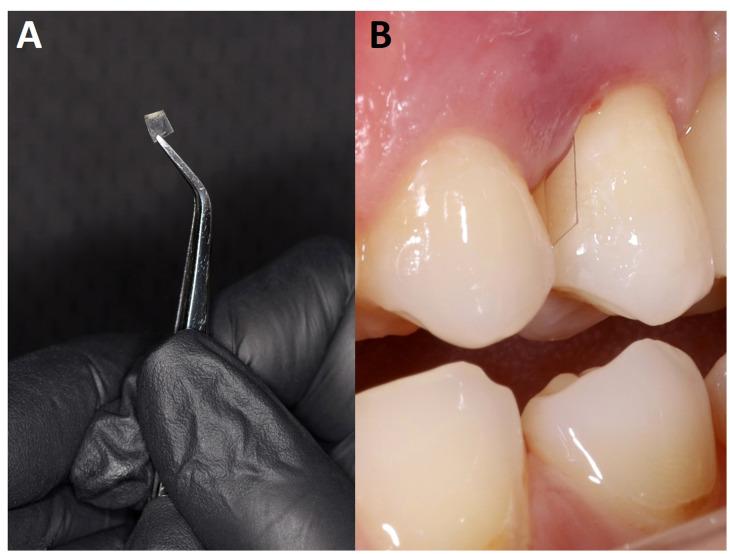
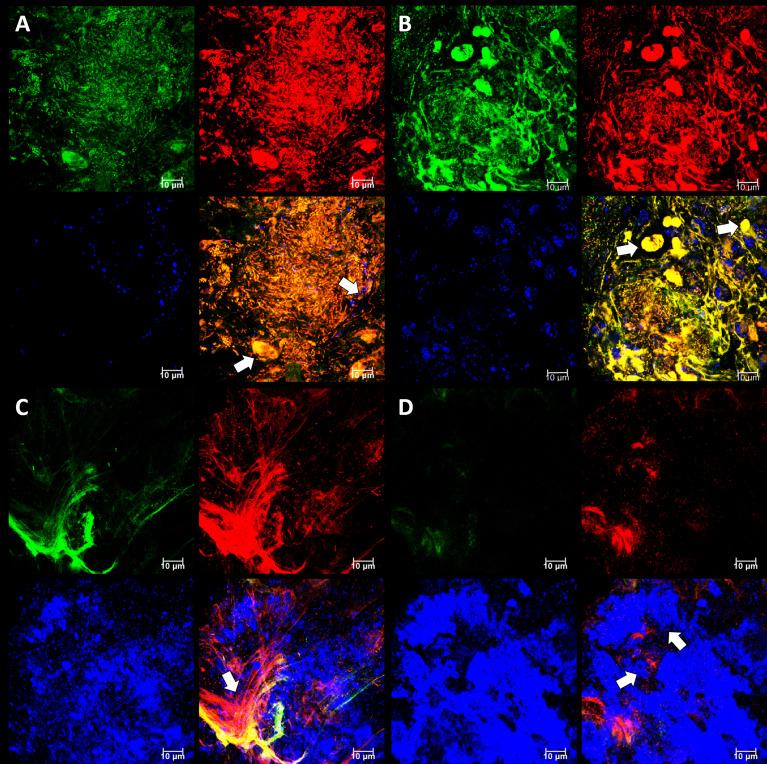
In this work, subgingival biolfilms developing on biologically neutral polyethylene terephthalate films placed in gingival cavities of patients with chronic periodontitis were investigated by confocal laser scanning microscopy (CLSM). This allowed examination of realistic cytological landscapes and visualization of extracellular polymeric substances (EPS) including amyloids, total proteins, carbohydrates and eDNA, as well as comparison with several single-strain model biofilms produced by oral pathogens such as , , , , and . Fluorescence hybridization (FISH) analysis was also used to identify eDNA derived from eubacteria, streptococci and members of the (BPP) group associated with periodontitis.
RESULTS
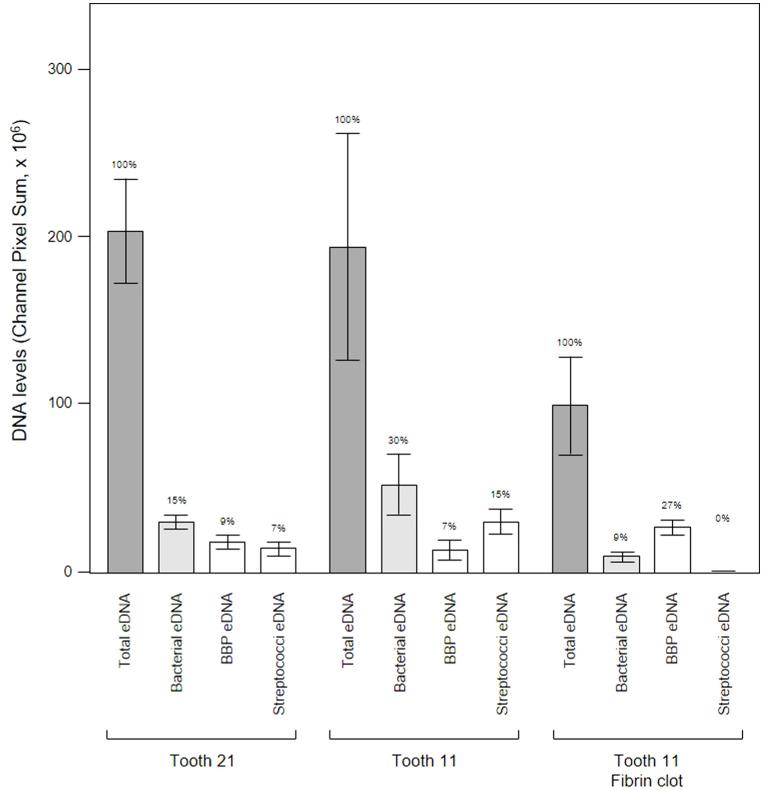
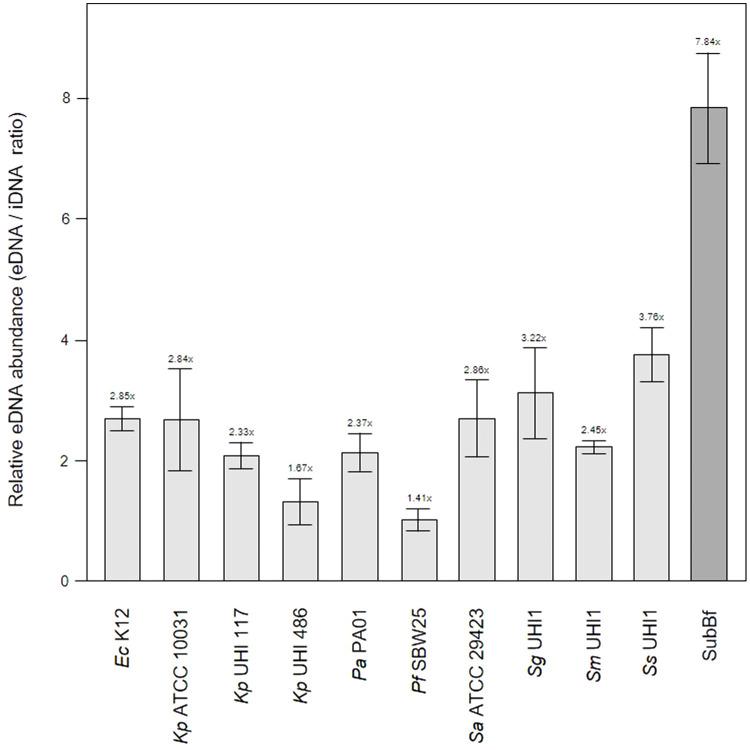
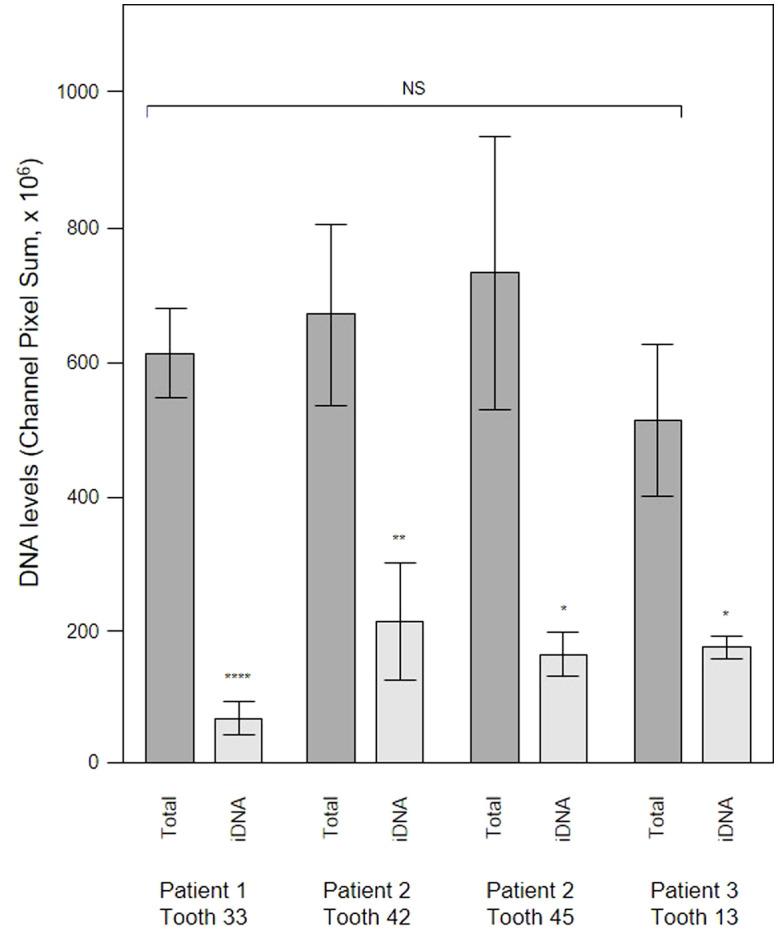
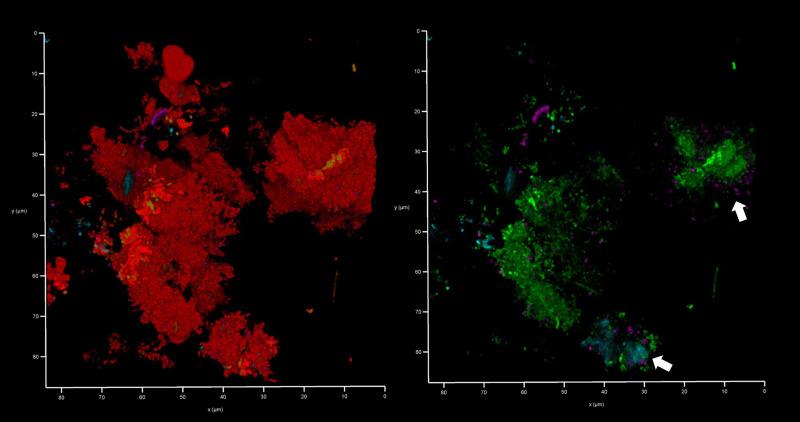
Analysis of subgingival biofilm EPS revealed low levels of amyloids and high levels of eDNA which appears to be the main matrix component. However, bacterial eDNA contributed less than a third of the total eDNA observed, suggesting that host-derived eDNA released in neutrophil extracellular traps may be of more importance in the development of biofilms causing periodontitis.
DISCUSSION
eDNA derived from host immunocompetent cells activated at the onset of periodontitis may therefore be a major driver of bacterial persistence and pathogenesis.
简介
牙周病已知与多微生物生物膜和炎性体激活有关。深入了解龈下细胞学(微观)景观、牙周炎期间细胞外 DNA (eDNA) 的作用以及宿主免疫 eDNA 对炎性体持续存在的贡献,可能有助于我们理解牙周炎严重形式的潜在机制。
方法
在这项工作中,通过共聚焦激光扫描显微镜 (CLSM) 研究了在患有慢性牙周炎的患者牙龈腔中放置的生物中性聚对苯二甲酸乙二醇酯薄膜上形成的龈下生物膜。这允许检查现实的细胞学景观,并可视化细胞外聚合物物质 (EPS),包括淀粉样蛋白、总蛋白质、碳水化合物和 eDNA,以及与几种由口腔病原体产生的单株模型生物膜的比较,如 、 、 、 、 和 。荧光杂交 (FISH) 分析也用于识别源自 eubacteria、链球菌和与牙周炎相关的 (BPP) 组成员的 eDNA。
结果
龈下生物膜 EPS 的分析显示淀粉样蛋白水平较低,而 eDNA 水平较高,似乎是主要的基质成分。然而,细菌 eDNA 仅占观察到的总 eDNA 的三分之一以下,这表明中性粒细胞细胞外陷阱中释放的宿主源性 eDNA 在生物膜的发展中可能更为重要,从而导致牙周炎。
讨论
因此,在牙周炎发病初期被激活的宿主免疫细胞衍生的 eDNA 可能是细菌持续存在和发病机制的主要驱动因素。






 Zotero 插件