
疱疹病毒进入介体作为免疫检查点靶点及髓系和淋巴系白血病的潜在预后生物标志物。
Herpesvirus Entry Mediator as an Immune Checkpoint Target and a Potential Prognostic Biomarker in Myeloid and Lymphoid Leukemia.
机构信息
Department of Biological Sciences, Faculty of Science, King Abdulaziz University, Jeddah 21859, Saudi Arabia.
Immunology Unit, King Fahd Medical Research Center, King Abdulaziz University, Jeddah 21859, Saudi Arabia.
出版信息
Biomolecules. 2024 Apr 27;14(5):523. doi: 10.3390/biom14050523.
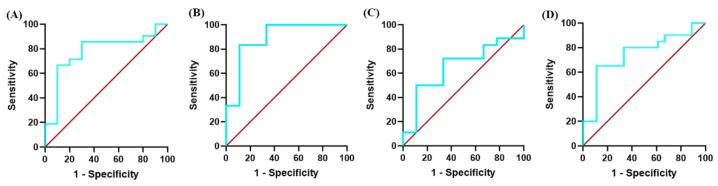
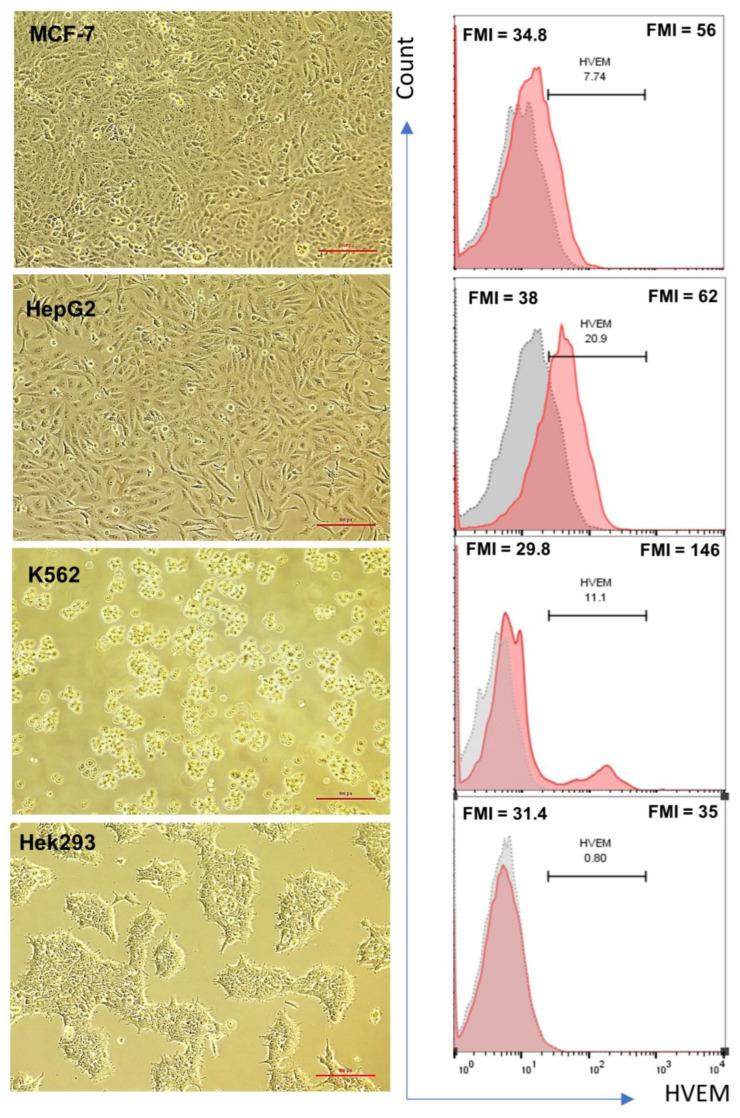
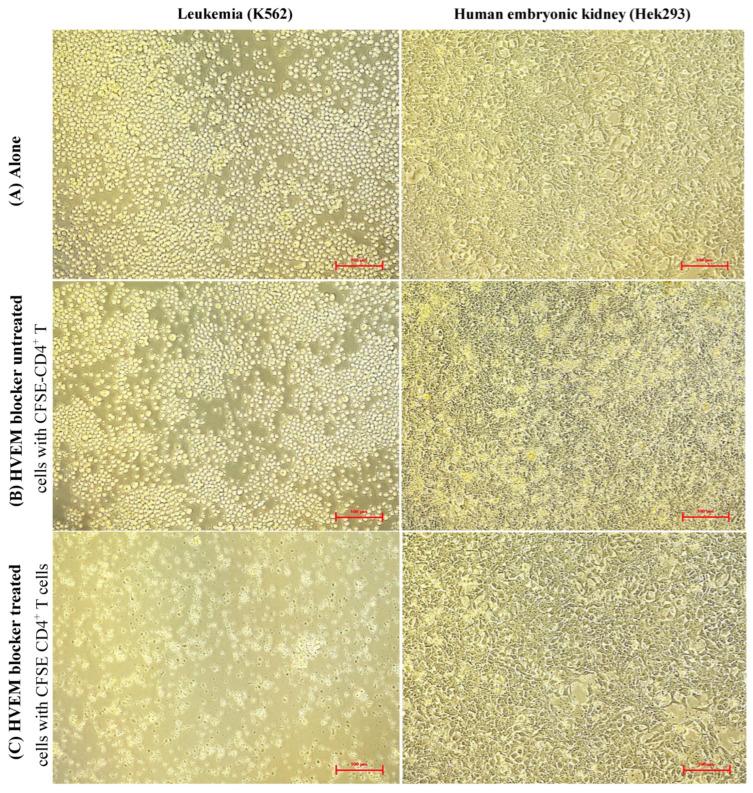
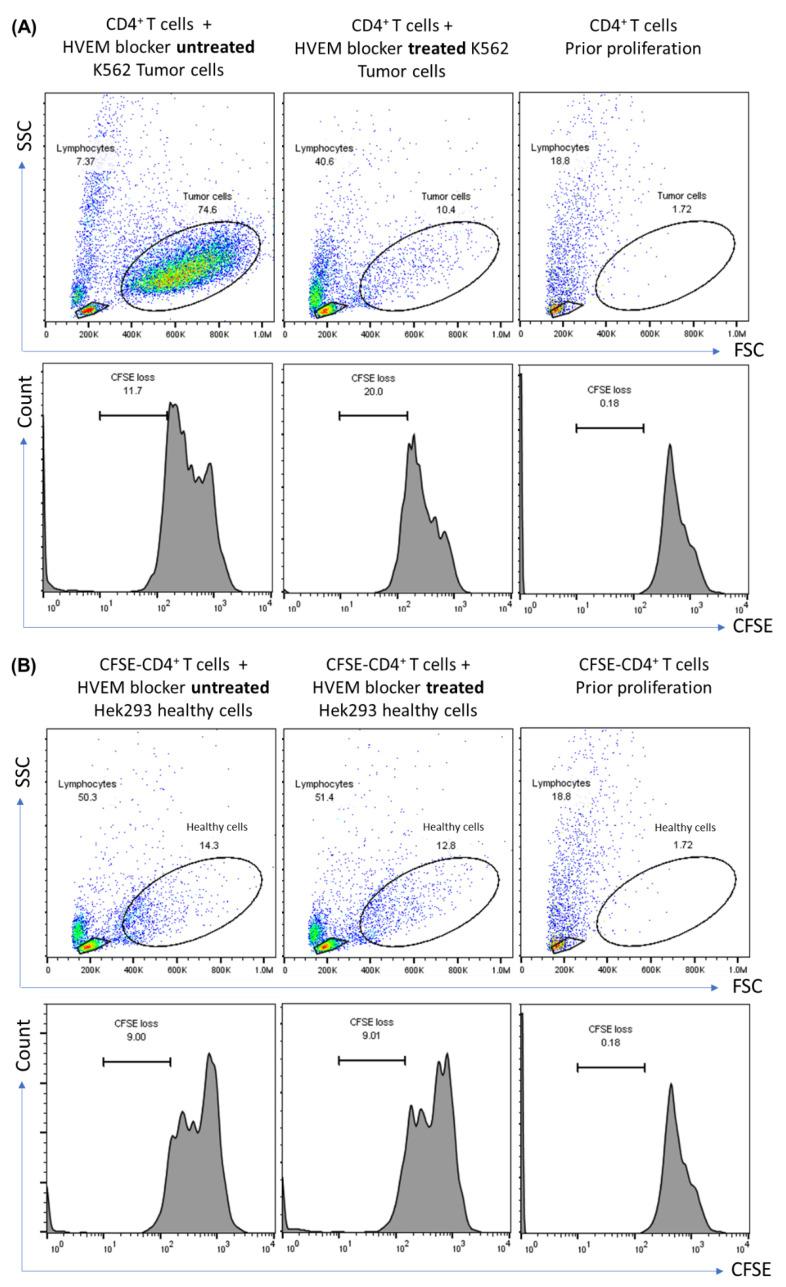
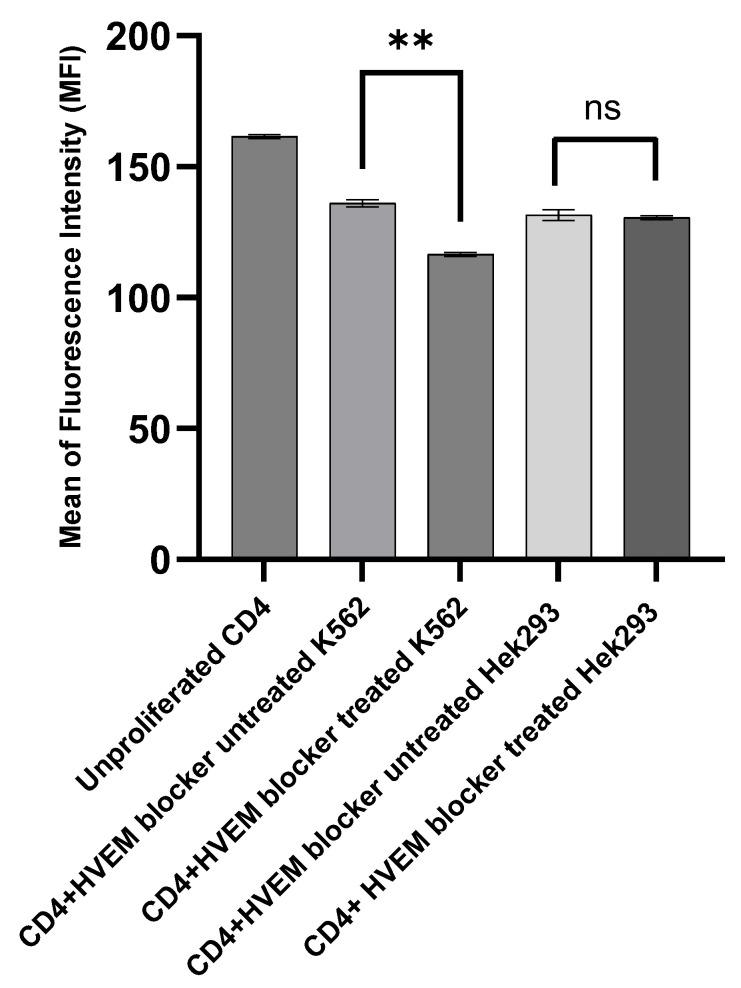
Herpesvirus entry mediator (HVEM) is a molecular switch that can modulate immune responses against cancer. The significance of HVEM as an immune checkpoint target and a potential prognostic biomarker in malignancies is still controversial. This study aims to determine whether HVEM is an immune checkpoint target with inhibitory effects on anti-tumor CD4 T cell responses in vitro and whether gene expression is dysregulated in patients with acute lymphocytic leukemia (ALL). gene expression in tumor cell lines and peripheral blood mononuclear cells (PBMCs) from ALL patients and healthy controls was measured using reverse transcription-quantitative polymerase chain reaction (RT-qPCR). Tumor cells were left untreated (control) or were treated with an HVEM blocker before co-culturing with CD4 T cells in vitro in a carboxyfluorescein succinimidyl ester (CFSE)-dependent proliferation assay. expression was upregulated in the chronic myelogenous leukemia cell line (K562) (FC = 376.3, = 0.086) compared with normal embryonic kidney cells (Hek293). CD4 T cell proliferation was significantly increased in the HVEM blocker-treated K562 cells ( = 0.0033). Significant differences were detected in ALL PBMCs compared with the controls, and these were associated with newly diagnosed ALL ( = 0.0011) and relapsed/refractory ( = 0.0051) B cell ALL ( = 0.0039) patients. A significant differentiation between malignant ALL and the controls was observed in a receiver operating characteristic (ROC) curve analysis with AUC = 0.78 ± 0.092 ( = 0.014). These results indicate that HVEM is an inhibitory molecule that may serve as a target for immunotherapy and a potential ALL biomarker.
疱疹病毒进入介体 (HVEM) 是一种分子开关,可调节针对癌症的免疫反应。HVEM 作为免疫检查点靶点和恶性肿瘤潜在预后生物标志物的意义仍存在争议。本研究旨在确定 HVEM 是否是一种免疫检查点靶点,其在体外对抗肿瘤 CD4 T 细胞反应具有抑制作用,以及基因在急性淋巴细胞白血病 (ALL) 患者中是否存在表达失调。通过逆转录定量聚合酶链反应 (RT-qPCR) 测量肿瘤细胞系和 ALL 患者及健康对照者外周血单个核细胞 (PBMC) 中的基因表达。在体外 CFSE 依赖性增殖测定中,未经处理的肿瘤细胞(对照)或经 HVEM 阻断剂处理后与 CD4 T 细胞共培养。与正常胚胎肾细胞 (Hek293) 相比,慢性髓系白血病细胞系 (K562) 中表达上调(FC = 376.3,= 0.086)。在 HVEM 阻断剂处理的 K562 细胞中,CD4 T 细胞增殖显著增加(= 0.0033)。与对照组相比,在 ALL PBMC 中检测到显著的差异,且这些差异与新诊断的 ALL(= 0.0011)和复发/难治性(= 0.0051)B 细胞 ALL(= 0.0039)患者相关。在 ROC 曲线分析中,恶性 ALL 与对照组之间存在显著差异,AUC = 0.78 ± 0.092(= 0.014)。这些结果表明,HVEM 是一种抑制分子,可能作为免疫治疗的靶点和潜在的 ALL 生物标志物。

 Zotero 插件