
稳定期和加重期 COPD 患者的完全盲法生物聚类获得的蛋白质组学血液谱。
Proteomic Blood Profiles Obtained by Totally Blind Biological Clustering in Stable and Exacerbated COPD Patients.
机构信息
Respiratory Medicine Department, Hospital del Mar-IMIM, 08003 Barcelona, Spain.
MELIS Department, Universitat Pompeu Fabra, 08003 Barcelona, Spain.
出版信息
Cells. 2024 May 17;13(10):866. doi: 10.3390/cells13100866.
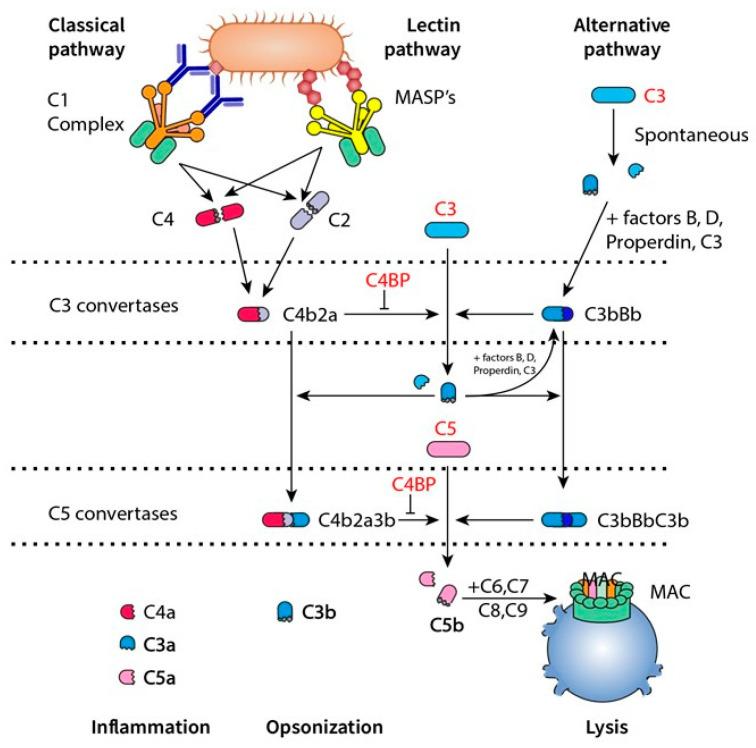
Although Chronic Obstructive Pulmonary Disease (COPD) is highly prevalent, it is often underdiagnosed. One of the main characteristics of this heterogeneous disease is the presence of periods of acute clinical impairment (exacerbations). Obtaining blood biomarkers for either COPD as a chronic entity or its exacerbations (AECOPD) will be particularly useful for the clinical management of patients. However, most of the earlier studies have been characterized by potential biases derived from pre-existing hypotheses in one or more of their analysis steps: some studies have only targeted molecules already suggested by pre-existing knowledge, and others had initially carried out a blind search but later compared the detected biomarkers among well-predefined clinical groups. We hypothesized that a clinically blind cluster analysis on the results of a non-hypothesis-driven wide proteomic search would determine an unbiased grouping of patients, potentially reflecting their endotypes and/or clinical characteristics. To check this hypothesis, we included the plasma samples from 24 clinically stable COPD patients, 10 additional patients with AECOPD, and 10 healthy controls. The samples were analyzed through label-free liquid chromatography/tandem mass spectrometry. Subsequently, the Scikit-learn machine learning module and K-means were used for clustering the individuals based solely on their proteomic profiles. The obtained clusters were confronted with clinical groups only at the end of the entire procedure. Although our clusters were unable to differentiate stable COPD patients from healthy individuals, they segregated those patients with AECOPD from the patients in stable conditions (sensitivity 80%, specificity 79%, and global accuracy, 79.4%). Moreover, the proteins involved in the blind grouping process to identify AECOPD were associated with five biological processes: inflammation, humoral immune response, blood coagulation, modulation of lipid metabolism, and complement system pathways. Even though the present results merit an external validation, our results suggest that the present blinded approach may be useful to segregate AECOPD from stability in both the clinical setting and trials, favoring more personalized medicine and clinical research.
虽然慢性阻塞性肺疾病(COPD)的患病率很高,但常常被漏诊。这种异质性疾病的主要特征之一是存在急性临床恶化期(加重期)。获取 COPD 慢性期或加重期(AECOPD)的血液生物标志物对患者的临床管理将特别有用。然而,大多数早期研究的特点是在其分析步骤中的一个或多个步骤中存在由预先存在的假设产生的潜在偏差:一些研究仅针对已经由先前的知识提出的分子,而另一些研究最初进行了盲目搜索,但后来在预先定义的临床组之间比较了检测到的生物标志物。我们假设,对非假设驱动的广泛蛋白质组搜索结果进行临床盲目聚类分析将确定患者的无偏分组,这可能反映了他们的表型和/或临床特征。为了验证这一假设,我们纳入了 24 例临床稳定的 COPD 患者、10 例 AECOPD 患者和 10 例健康对照者的血浆样本。通过无标记的液相色谱/串联质谱法对样本进行分析。随后,使用 Scikit-learn 机器学习模块和 K-means 仅根据蛋白质组谱对个体进行聚类。仅在整个过程结束时,将获得的聚类与临床组进行比较。虽然我们的聚类无法区分稳定的 COPD 患者和健康个体,但它们将 AECOPD 患者与稳定状态的患者分开(敏感性 80%,特异性 79%,总体准确性为 79.4%)。此外,用于识别 AECOPD 的盲分组过程中涉及的蛋白质与五个生物学过程相关:炎症、体液免疫反应、血液凝固、脂质代谢调节和补体系统途径。尽管目前的结果值得进行外部验证,但我们的结果表明,这种盲法方法可能有助于在临床环境和临床试验中将 AECOPD 与稳定性分开,有利于更个体化的医学和临床研究。

 Zotero 插件