
饮食和生活方式因素对肥胖受试者炎症标志物(IL-6、IFN-γ和TNF-α)水平的影响。
Influence of dietary and lifestyle factors on levels of inflammatory markers (IL-6, IFN-γ and TNF-α) in obese subjects.
作者信息
Polak-Szczybyło Ewelina, Tabarkiewicz Jacek
机构信息
College of Medical Sciences, University of Rzeszów, Poland.
出版信息
Cent Eur J Immunol. 2024;49(1):19-25. doi: 10.5114/ceji.2024.138748. Epub 2024 Apr 15.
INTRODUCTION
The low-grade inflammation occurring in obese individuals leads to many diseases, including cardiovascular disease (CVD). Dietary patterns, food groups or nutrients in a well-balanced diet may reduce the level of pro-inflammatory markers and the risk of obesity-related morbidities. Our study aims to describe three cytokines in obese patients in relation to dietary habits, lifestyle and body composition.
MATERIAL AND METHODS
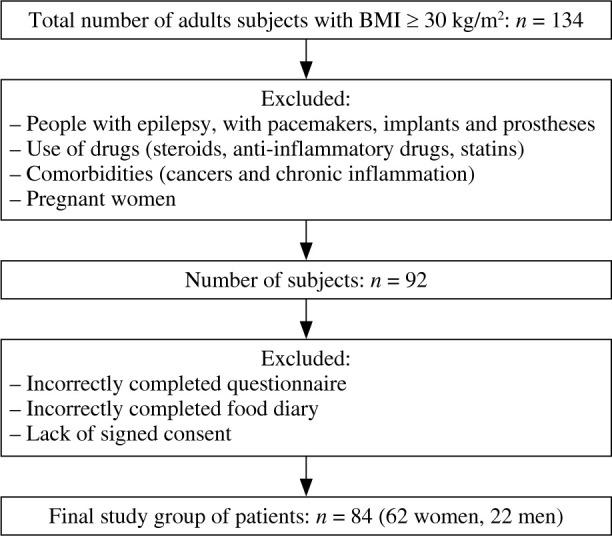
Serum samples were collected from 84 obese adult volunteer subjects [body mass index (BMI) ≥ 30 kg/m] to analyze the concentrations of interleukin 6 (IL-6), tumor necrosis factor α (TNF-α) and interferon γ (IFN-γ). The subjects were tested by bioelectrical impedance analysis (BIA) and completed a three-day food diary and original questionnaire with the FFQ-6 food consumption frequency questionnaire.
RESULTS AND CONCLUSIONS
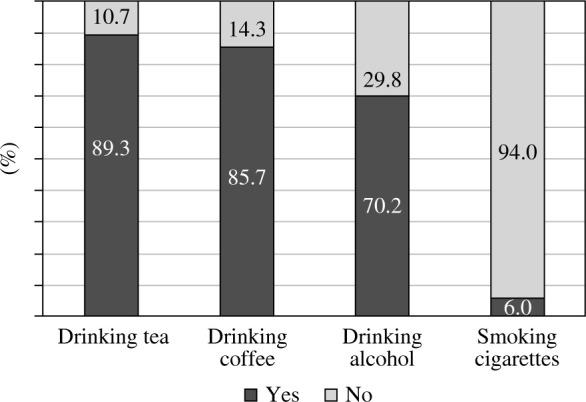
Higher serum levels of IL-6 and IFN-γ were found in patients with atherosclerosis, but the group was too small for a reliable correlation. Subcutaneous but not visceral adipose tissue correlated positively with IL-6 levels. Dietary factors such as amount of sugars, including galactose and sucrose, in the diet and the frequency of consumption of sweet flavored dairy products correlated positively with the levels of IL-6 and TNF-α, while the frequency of alcohol consumption negatively correlated with the level of IL-6. The greater the frequency of sports, the higher was the level of IL-6. In obese individuals, the level of pro-inflammatory cytokines could predispose to atherosclerosis and is associated with dietary factors and lifestyle.
引言
肥胖个体中发生的低度炎症会引发多种疾病,包括心血管疾病(CVD)。均衡饮食中的饮食模式、食物类别或营养素可能会降低促炎标志物水平以及肥胖相关疾病的风险。我们的研究旨在描述肥胖患者体内的三种细胞因子与饮食习惯、生活方式和身体成分的关系。
材料与方法
从84名肥胖成年志愿者受试者[体重指数(BMI)≥30 kg/m²]采集血清样本,以分析白细胞介素6(IL-6)、肿瘤坏死因子α(TNF-α)和干扰素γ(IFN-γ)的浓度。通过生物电阻抗分析(BIA)对受试者进行检测,并让他们完成一份为期三天的食物日记以及包含FFQ-6食物消费频率问卷的原始问卷。
结果与结论
在动脉粥样硬化患者中发现IL-6和IFN-γ的血清水平较高,但该组样本量过小,无法得出可靠的相关性。皮下而非内脏脂肪组织与IL-6水平呈正相关。饮食中的糖类(包括半乳糖和蔗糖)含量以及甜味乳制品的消费频率等饮食因素与IL-6和TNF-α水平呈正相关,而饮酒频率与IL-6水平呈负相关。运动频率越高,IL-6水平越高。在肥胖个体中,促炎细胞因子水平可能易引发动脉粥样硬化,且与饮食因素和生活方式有关。
 Zotero 插件