
解析人类饱腹感的变异性:对精准肥胖管理的启示。
Unraveling the Variability of Human Satiation: Implications for Precision Obesity Management.
作者信息
Acosta Andres, Cifuentes Lizeth, Anazco Diego, O'Connor Timothy, Hurtado Maria, Ghusn Wissam, Campos Alejandro, Fansa Sima, McRae Alison, Madhusudhan Sunil, Kolkin Elle, Ryks Michael, Harmsen William, Abu Dayyeh Barham, Hensrud Donald, Camilleri Michael
机构信息
Mayo Clinic.
Phenomix Sciences Inc.
出版信息
Res Sq. 2024 May 23:rs.3.rs-4402499. doi: 10.21203/rs.3.rs-4402499/v1.
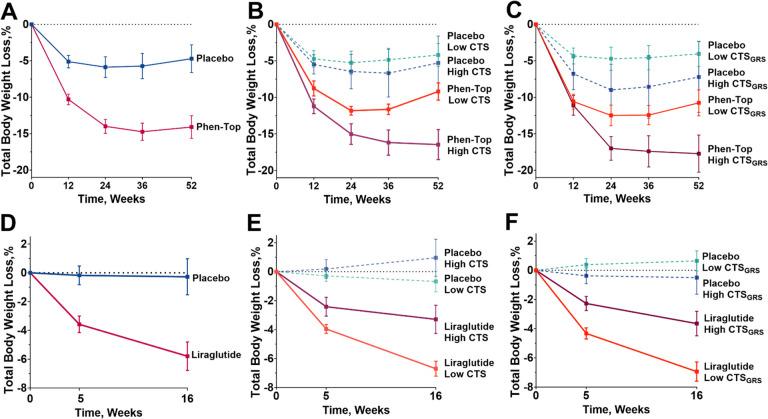
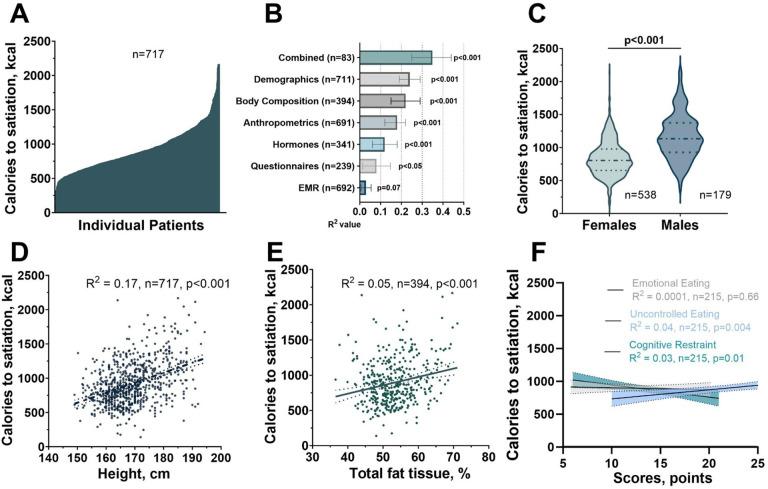
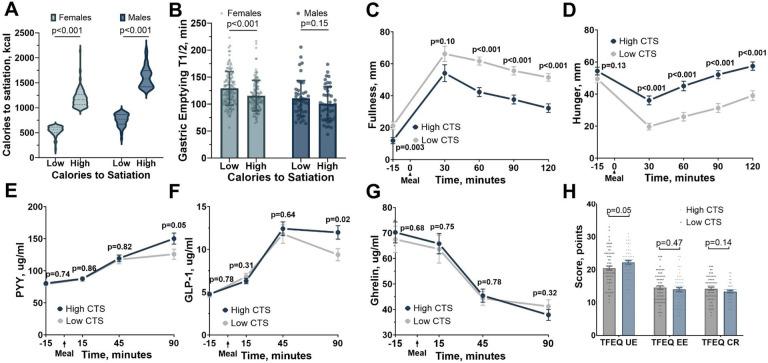
Satiation is the physiologic process that regulates meal size and termination, and it is quantified by the calories consumed to reach satiation. Given its role in energy intake, changes in satiation contribute to obesity's pathogenesis. Our study employed a protocolized approach to study the components of food intake regulation including a standardized breakfast, a gastric emptying study, appetite sensation testing, and a satiation measurement by an test. These studies revealed that satiation is highly variable among individuals, and while baseline characteristics, anthropometrics, body composition and hormones, contribute to this variability, these factors do not fully account for it. To address this gap, we explored the role of a germline polygenic risk score, which demonstrated a robust association with satiation. Furthermore, we developed a machine-learning-assisted gene risk score to predict satiation and leveraged this prediction to anticipate responses to anti-obesity medications. Our findings underscore the significance of satiation, its inherent variability, and the potential of a genetic risk score to forecast it, ultimately allowing us to predict responses to different anti-obesity interventions.
饱腹感是调节进餐量和进餐终止的生理过程,它通过达到饱腹感所消耗的卡路里来量化。鉴于其在能量摄入中的作用,饱腹感的变化会导致肥胖症的发病机制。我们的研究采用了一种程序化方法来研究食物摄入调节的组成部分,包括标准化早餐、胃排空研究、食欲感觉测试以及通过[未提及的某种测试]进行的饱腹感测量。这些研究表明,饱腹感在个体之间存在很大差异,虽然基线特征、人体测量学、身体成分和激素会导致这种差异,但这些因素并不能完全解释它。为了填补这一空白,我们探索了种系多基因风险评分的作用,该评分与饱腹感表现出强烈关联。此外,我们开发了一种机器学习辅助的基因风险评分来预测饱腹感,并利用这一预测来预期对抗肥胖药物的反应。我们的研究结果强调了饱腹感的重要性、其固有的变异性以及基因风险评分预测它的潜力,最终使我们能够预测对不同抗肥胖干预措施的反应。


 Zotero 插件