
岩石类型和食物可利用性对紫海胆(Strongylocentrotus purpuratus)生物侵蚀的影响
Effects of Rock Type and Food Availability on Bioerosion by the Purple Sea Urchin, Strongylocentrotus purpuratus.
作者信息
Troha Lukas U, Narvaez Carla A, Russell Michael P
机构信息
Department of Biology, Villanova University, Villanova, PA 19085, USA.
Marine Resources Division, South Carolina Department of Natural Resources, Charleston, SC 29412, USA.
出版信息
Integr Comp Biol. 2024 Dec 20;64(6):1527-1535. doi: 10.1093/icb/icae060.
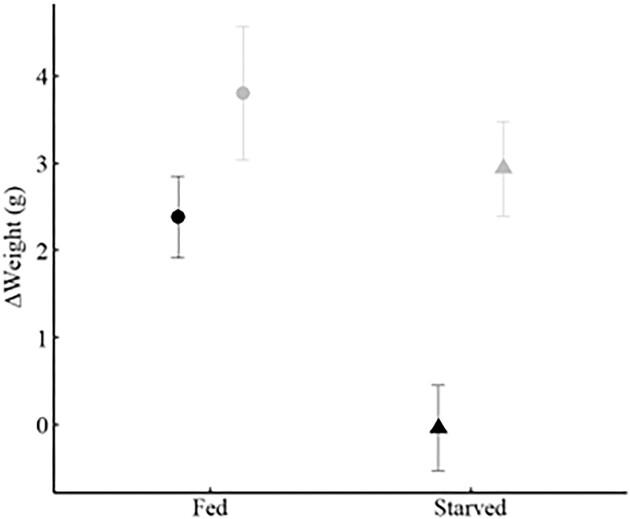
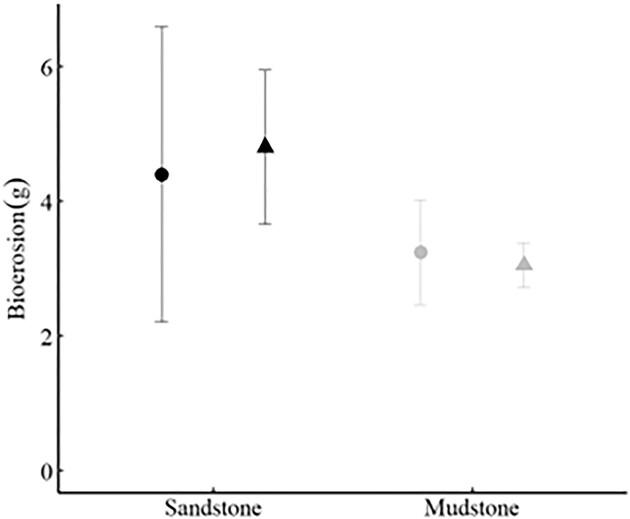
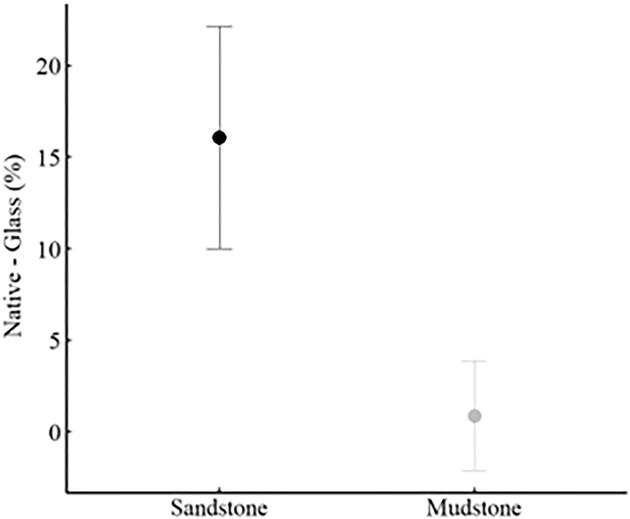
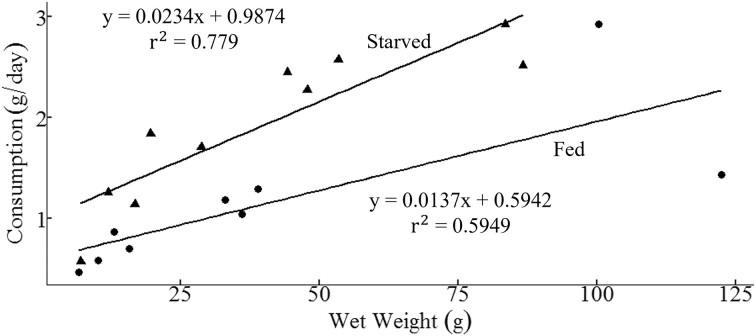
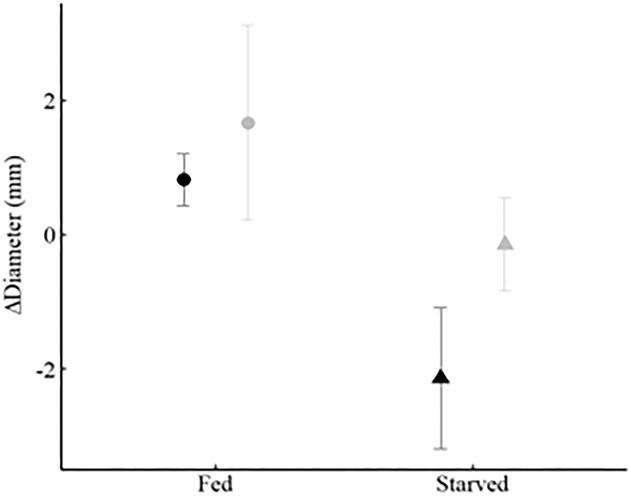
Purple sea urchins (Strongylocentrotus purpuratus) profoundly impact nearshore rocky coasts through their feeding habits. Their intense grazing sculpts substrates through bioerosion using their teeth and spines and controls the alternative stable state dynamic between kelp bed and urchin barrens. These states have contrasting food availability for sea urchins, with abundant food in kelp beds and scarce food in barren grounds. However, the relationship between food availability and bioerosion is unknown. We predicted that when kelp is available, it would ameliorate the action of teeth on the substrate. Our 11-week long, 2 × 2 factorial experiment, crossed community state (kelp present vs absent) and rock type (sandstone vs mudstone). We also quantified the contribution of spine abrasion to bioerosion on the two rock types. The bioerosion rates did not differ between treatments with and without kelp. Although there was no significant difference in net bioerosion between the rock types, there was a large difference between the proportion of bioerosion from teeth vs spine abrasion. Approximately a third of the sandstone bioerosion was from spines whereas less than 2% of mudstone bioerosion could be attributed to spines. As anticipated, growth of sea urchins fed kelp ad-libitum was higher than food-limited sea urchins. Surprisingly, sea urchins on mudstone (which has a higher organic component) grew faster than sea urchins on sandstone. Although bioerosion rates may not differ on a per-urchin basis between community states, the sea urchin population densities between kelp beds and urchin barrens likely causes a difference in net bioerosion between these communities. Our results point to the importance of lithology on the mechanics of sea urchin bioerosion. Differences in texture, grain size, and hardness of rock substrates undoubtedly contribute to bioerosion rates and dynamics.
紫海胆(Strongylocentrotus purpuratus)通过其摄食习性对近岸岩石海岸产生深远影响。它们强烈的啃食行为利用牙齿和刺通过生物侵蚀塑造基质,并控制海带床和海胆荒漠之间的交替稳定状态动态。这些状态下海胆的食物可利用性截然不同,海带床中有丰富的食物,而荒漠地带食物稀缺。然而,食物可利用性与生物侵蚀之间的关系尚不清楚。我们预测,当有海带时,它会减轻牙齿对基质的作用。我们进行了为期11周的2×2析因实验,交叉设置群落状态(有海带与无海带)和岩石类型(砂岩与泥岩)。我们还量化了刺磨损对两种岩石类型生物侵蚀的贡献。有海带和无海带的处理之间生物侵蚀率没有差异。尽管岩石类型之间的净生物侵蚀没有显著差异,但牙齿侵蚀与刺磨损造成的生物侵蚀比例有很大差异。砂岩生物侵蚀中约三分之一来自刺,而泥岩生物侵蚀中可归因于刺的比例不到2%。正如预期的那样,随意投喂海带的海胆生长速度高于食物受限的海胆。令人惊讶的是,泥岩上的海胆(其有机成分含量较高)比砂岩上的海胆生长得更快。尽管群落状态之间单个海胆的生物侵蚀率可能没有差异,但海带床和海胆荒漠之间的海胆种群密度可能导致这些群落之间净生物侵蚀的差异。我们的结果表明岩性对海胆生物侵蚀机制的重要性。岩石基质的质地、粒度和硬度差异无疑会影响生物侵蚀率和动态。
 Zotero 插件