
严重急性呼吸综合征冠状病毒2型(SARS-CoV-2)德尔塔变异株在肉类包装厂发现的环境生物膜中仍具有活性。
SARS-CoV-2 Delta variant remains viable in environmental biofilms found in meat packaging plants.
作者信息
Featherstone Austin B, Mathijssen Arnold J T M, Brown Amanda, Chitlapilly Dass Sapna
机构信息
Department of Animal Science, Texas A&M University, College Station, Texas, United States of America.
Department of Physics & Astronomy, University of Pennsylvania, Philadelphia, PA, United States of America.
出版信息
PLoS One. 2024 Jun 13;19(6):e0304504. doi: 10.1371/journal.pone.0304504. eCollection 2024.
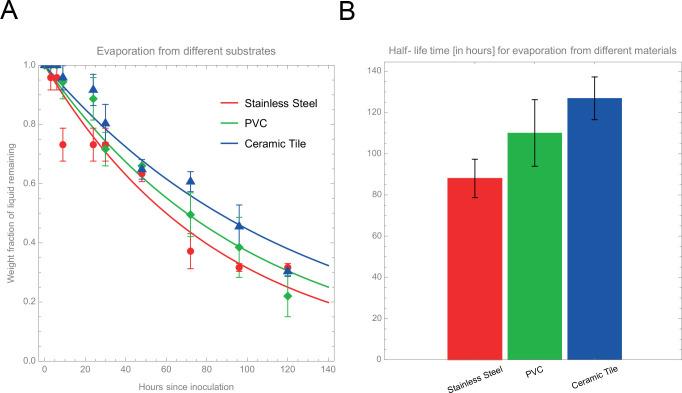
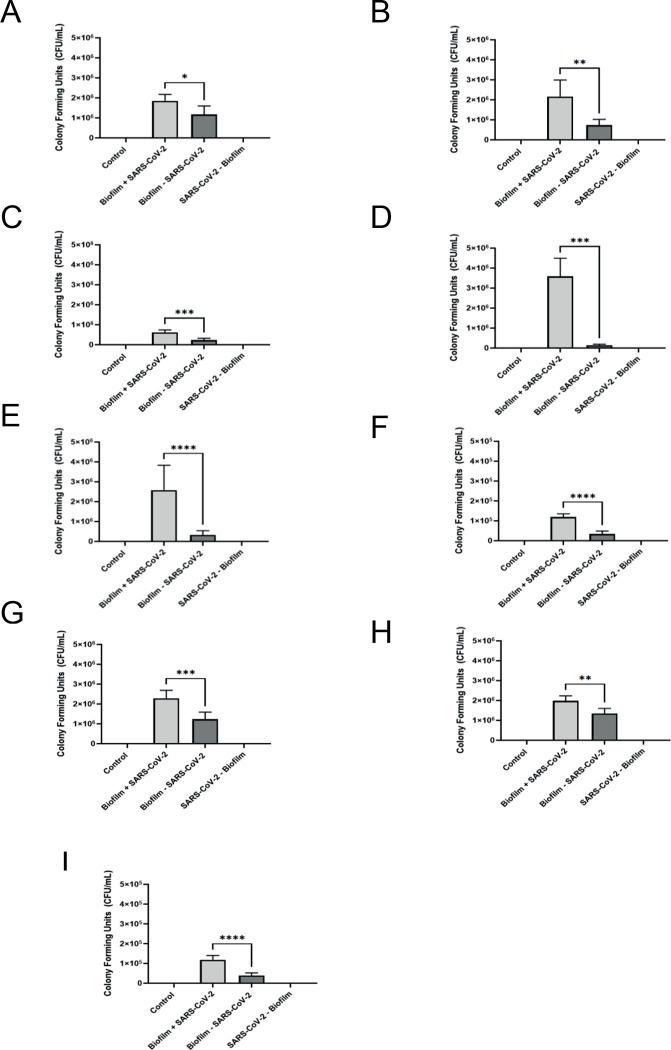
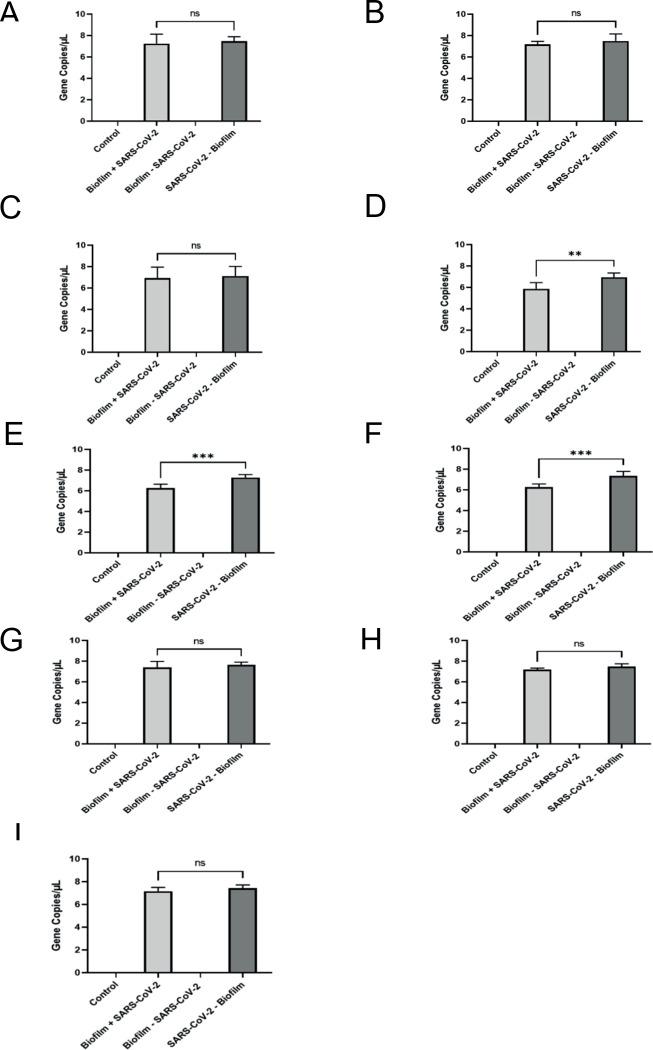
To determine why SARS-CoV-2 appears to thrive specifically well in meat packaging plants, we used SARS-CoV-2 Delta variant and meat packaging plant drain samples to develop mixed-species biofilms on materials commonly found within meat packaging plants (stainless steel (SS), PVC, and ceramic tile). Our data provides evidence that SARS-CoV-2 Delta variant remained viable on all the surfaces tested with and without an environmental biofilm after the virus was inoculated with the biofilm for 5 days at 7°C. We observed that SARS-CoV-2 Delta variant was able to remain infectious with each of the environmental biofilms by conducting plaque assay and qPCR experiments, however, we detected a significant reduction in viability post-exposure to Plant B biofilm on SS, PVC, and on ceramic tile chips, and to Plant C biofilm on SS and PVC chips. The numbers of viable SARS-CoV-2 Delta viral particles was 1.81-4.57-fold high than the viral inoculum incubated with the Plant B and Plant C environmental biofilm on SS, and PVC chips. We did not detect a significant difference in viability when SARS-CoV-2 Delta variant was incubated with the biofilm obtained from Plant A on any of the materials tested and SARS-CoV-2 Delta variant had higher plaque numbers when inoculated with Plant C biofilm on tile chips, with a 2.75-fold difference compared to SARS-CoV-2 Delta variant on tile chips by itself. In addition, we detected an increase in the biofilm biovolume in response to SARS-CoV-2 Delta variant which is also a concern for food safety due to the potential for foodborne pathogens to respond likewise when they come into contact with the virus. These results indicate a complex virus-environmental biofilm interaction which correlates to the different bacteria found in each biofilm. Our results also indicate that there is the potential for biofilms to protect SARS-CoV-2 from disinfecting agents and remaining prevalent in meat packaging plants.
为了确定严重急性呼吸综合征冠状病毒2(SARS-CoV-2)为何在肉类包装厂中似乎特别容易滋生,我们使用SARS-CoV-2德尔塔变种和肉类包装厂排水样本,在肉类包装厂常见的材料(不锈钢(SS)、聚氯乙烯(PVC)和瓷砖)上形成混合物种生物膜。我们的数据表明,在7°C下将病毒与生物膜一起接种5天后,无论有无环境生物膜,SARS-CoV-2德尔塔变种在所有测试表面上均保持存活。通过进行噬斑测定和定量聚合酶链反应(qPCR)实验,我们观察到SARS-CoV-2德尔塔变种能够在每种环境生物膜中保持传染性,然而,我们检测到在暴露于SS、PVC和瓷砖碎片上的工厂B生物膜以及SS和PVC碎片上的工厂C生物膜后,其活力显著降低。与在SS和PVC碎片上与工厂B和工厂C环境生物膜一起孵育的病毒接种物相比,存活的SARS-CoV-2德尔塔病毒颗粒数量高1.81至4.57倍。当SARS-CoV-2德尔塔变种与从工厂A获得的生物膜在任何测试材料上一起孵育时,我们未检测到活力有显著差异,并且当在瓷砖碎片上接种工厂C生物膜时,SARS-CoV-2德尔塔变种的噬斑数量更高,与单独在瓷砖碎片上的SARS-CoV-2德尔塔变种相比,差异为2.75倍。此外,我们检测到响应SARS-CoV-2德尔塔变种生物膜生物体积增加,这也对食品安全构成担忧,因为食源性病原体在接触该病毒时可能会有同样的反应。这些结果表明病毒与环境生物膜之间存在复杂的相互作用,这与每个生物膜中发现的不同细菌相关。我们的结果还表明,生物膜有可能保护SARS-CoV-2免受消毒剂影响,并在肉类包装厂中持续存在。


 Zotero 插件