
重复感染控制的人类疟原虫感染可延迟血流感染和减轻症状。
Repeat controlled human Plasmodium falciparum infections delay bloodstream patency and reduce symptoms.
机构信息
Department of Microbiology and Immunology, Uniformed Services University of the Health Sciences, Bethesda, MD, USA.
Henry M. Jackson Foundation for the Advancement of Military Medicine, Inc., Rockville, MD, USA.
出版信息
Nat Commun. 2024 Jun 18;15(1):5194. doi: 10.1038/s41467-024-49041-2.
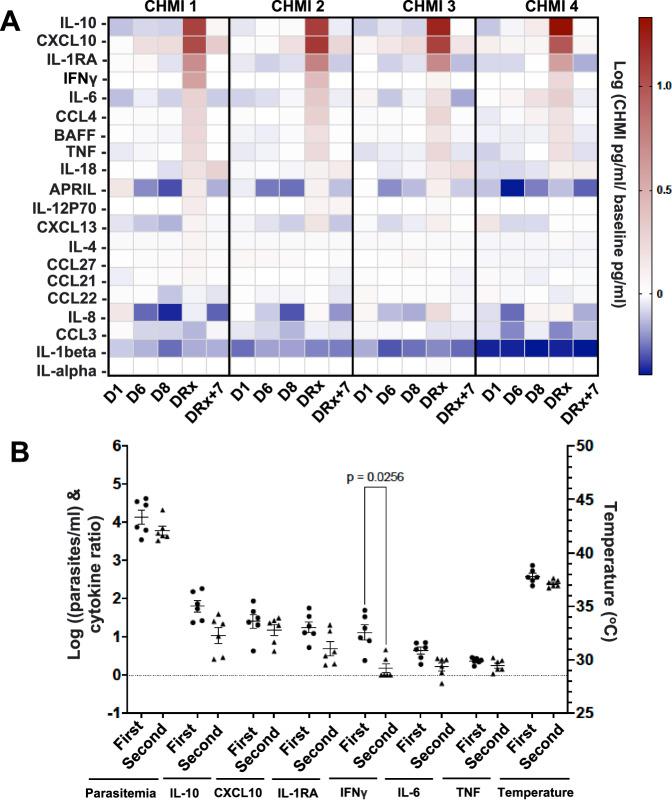
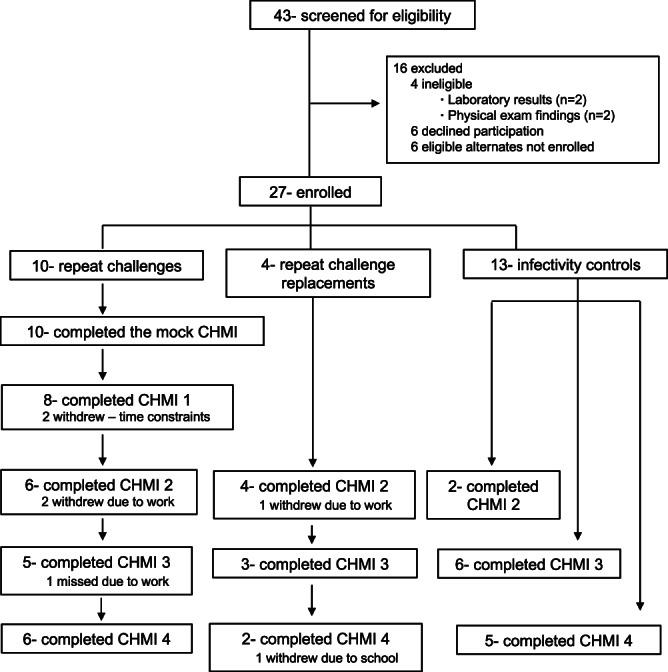
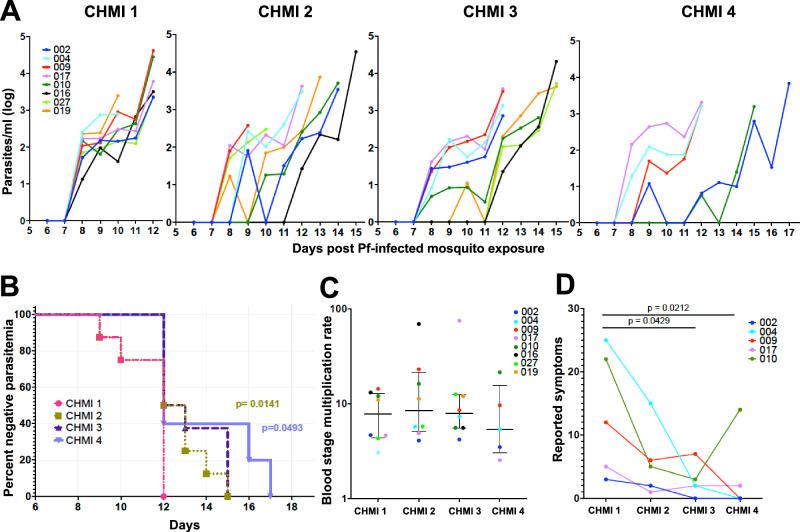
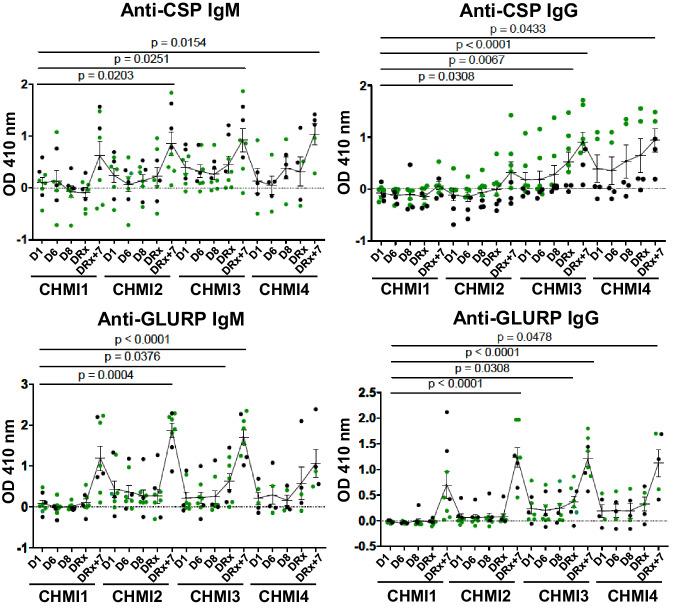
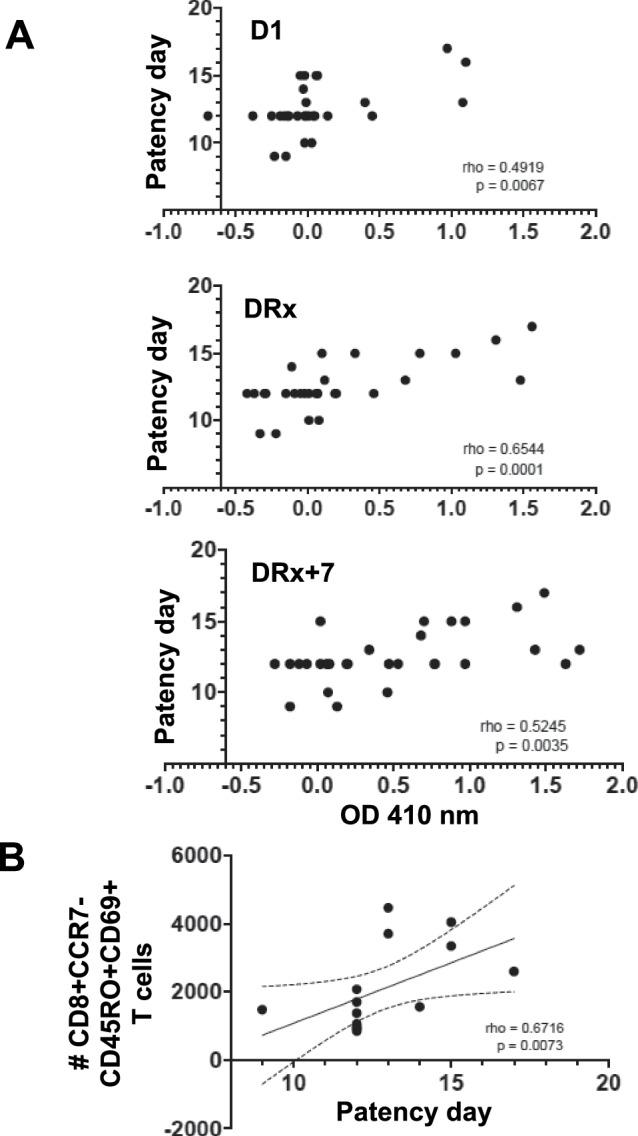
Resistance to clinical malaria takes years to develop even in hyperendemic regions and sterilizing immunity has rarely been observed. To evaluate the maturation of the host response against controlled repeat exposures to P. falciparum (Pf) NF54 strain-infected mosquitoes, we systematically monitored malaria-naïve participants through an initial exposure to uninfected mosquitoes and 4 subsequent homologous exposures to Pf-infected mosquitoes over 21 months (n = 8 males) (ClinicalTrials.gov# NCT03014258). The primary outcome was to determine whether protective immunity against parasite infection develops following repeat CHMI and the secondary outcomes were to track the clinical signs and symptoms of malaria and anti-Pf antibody development following repeat CHMI. After two exposures, time to blood stage patency increases significantly and the number of reported symptoms decreases indicating the development of clinical tolerance. The time to patency correlates positively with both anti-Pf circumsporozoite protein (CSP) IgG and CD8 + CD69+ effector memory T cell levels consistent with partial pre-erythrocytic immunity. IFNγ levels decrease significantly during the participants' second exposure to high blood stage parasitemia and could contribute to the decrease in symptoms. In contrast, CD4-CD8 + T cells expressing CXCR5 and the inhibitory receptor, PD-1, increase significantly after subsequent Pf exposures, possibly dampening the memory response and interfering with the generation of robust sterilizing immunity.
即使在高度流行地区,对临床疟疾的抵抗力也需要数年时间才能形成,而且很少观察到绝育性免疫。为了评估宿主对受控重复暴露于 Pf 感染蚊子的反应的成熟度,我们通过最初接触未感染的蚊子和随后 4 次同源 Pf 感染蚊子的重复暴露,系统地监测了疟疾-naive 参与者,共 21 个月(n = 8 男性)(ClinicalTrials.gov#NCT03014258)。主要结局是确定在重复 CHMI 后是否会产生针对寄生虫感染的保护性免疫,次要结局是跟踪疟疾的临床症状和体征以及重复 CHMI 后的抗 Pf 抗体发育。两次暴露后,血液期潜伏时间显著延长,报告的症状数量减少,表明临床耐受的发展。潜伏时间与抗 Pf 环子孢子蛋白(CSP)IgG 和 CD8+CD69+效应记忆 T 细胞水平呈正相关,与部分原虫免疫一致。在参与者第二次接触高血液期寄生虫血症时,IFNγ 水平显著下降,这可能导致症状减少。相比之下,随后 Pf 暴露后,表达 CXCR5 和抑制性受体 PD-1 的 CD4-CD8+T 细胞显著增加,可能抑制记忆反应并干扰产生强大的绝育性免疫。



 Zotero 插件