
樱桃和浆果中的酚类化合物可用于慢性疾病管理和降低心血管疾病风险。
Phenolic Compounds from Cherries and Berries for Chronic Disease Management and Cardiovascular Risk Reduction.
机构信息
SPRINT-Sport Physical Activity and Health Research & Innovation Center, Instituto Politécnico da Guarda, 6300-559 Guarda, Portugal.
CICS-UBI-Health Sciences Research Center, University of Beira Interior, 6201-506 Covilhã, Portugal.
出版信息
Nutrients. 2024 May 23;16(11):1597. doi: 10.3390/nu16111597.
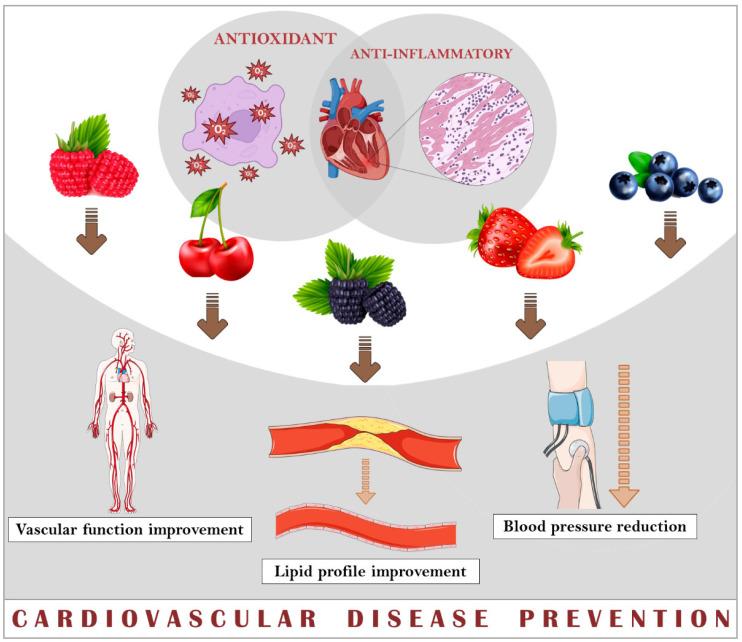
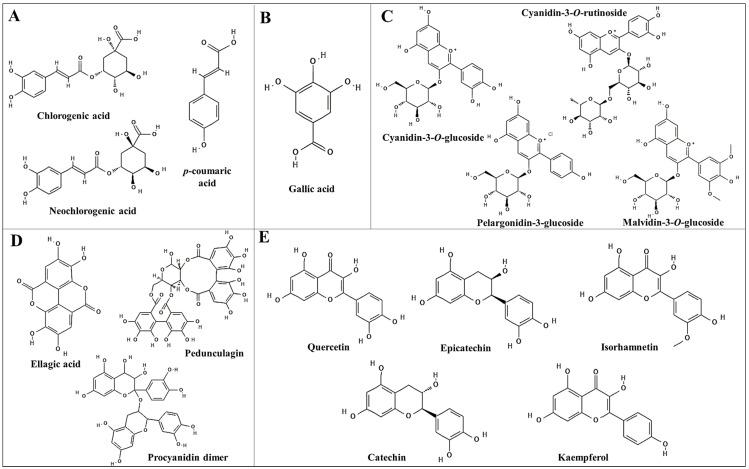
Cardiovascular diseases (CVDs) are a leading cause of mortality worldwide. Therefore, there is increasing interest in dietary interventions to reduce risk factors associated with these conditions. Cherries and berries are rich sources of bioactive compounds and have attracted attention for their potential cardiovascular benefits. This review summarises the current research on the effects of cherry and berry consumption on cardiovascular health, including in vivo studies and clinical trials. These red fruits are rich in phenolic compounds, such as anthocyanins and flavonoids, which have multiple bioactive properties. These properties include antioxidant, anti-inflammatory, and vasodilatory effects. Studies suggest that regular consumption of these fruits may reduce inflammation and oxidative stress, leading to lower blood pressure, improved lipid profiles, and enhanced endothelial function. However, interpreting findings and establishing optimal dosages is a challenge due to the variability in fruit composition, processing methods, and study design. Despite these limitations, the evidence highlights the potential of cherries and berries as components of preventive strategies against CVD. Further research is needed to maximise their health benefits and improve clinical practice.
心血管疾病 (CVDs) 是全球范围内导致死亡的主要原因。因此,人们越来越关注通过饮食干预来降低与这些疾病相关的风险因素。樱桃和浆果富含生物活性化合物,因其对心血管的潜在益处而受到关注。本综述总结了目前关于樱桃和浆果消费对心血管健康影响的研究,包括体内研究和临床试验。这些红色水果富含酚类化合物,如花青素和类黄酮,具有多种生物活性特性。这些特性包括抗氧化、抗炎和血管舒张作用。研究表明,经常食用这些水果可能会减轻炎症和氧化应激,从而降低血压、改善血脂谱和增强内皮功能。然而,由于水果成分、加工方法和研究设计的差异,解释研究结果并确定最佳剂量具有一定的挑战性。尽管存在这些局限性,但这些证据突出了樱桃和浆果作为预防 CVD 策略组成部分的潜力。需要进一步研究以最大限度地提高其健康益处并改善临床实践。

 Zotero 插件