
使用人工智能工具预测卵巢癌。
Prediction of ovarian cancer using artificial intelligence tools.
作者信息
Ayyoubzadeh Seyed Mohammad, Ahmadi Marjan, Yazdipour Alireza Banaye, Ghorbani-Bidkorpeh Fatemeh, Ahmadi Mahnaz
机构信息
Department of Health Information Management, School of Allied Medical Sciences Tehran University of Medical Sciences Tehran Iran.
Health Information Management Research Center Tehran University of Medical Sciences Tehran Iran.
出版信息
Health Sci Rep. 2024 Jun 28;7(7):e2203. doi: 10.1002/hsr2.2203. eCollection 2024 Jul.
PURPOSE
Ovarian cancer is a common type of cancer and a leading cause of death in women. Therefore, accurate and fast prediction of ovarian tumors is crucial. One of the appropriate and precise methods for predicting and diagnosing this cancer is to build a model based on artificial intelligence methods. These methods provide a tool for predicting ovarian cancer according to the characteristics and conditions of each person.
METHOD
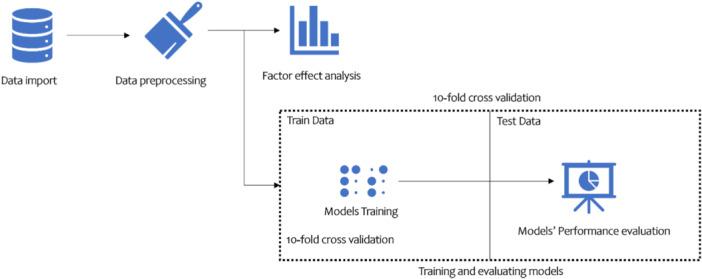
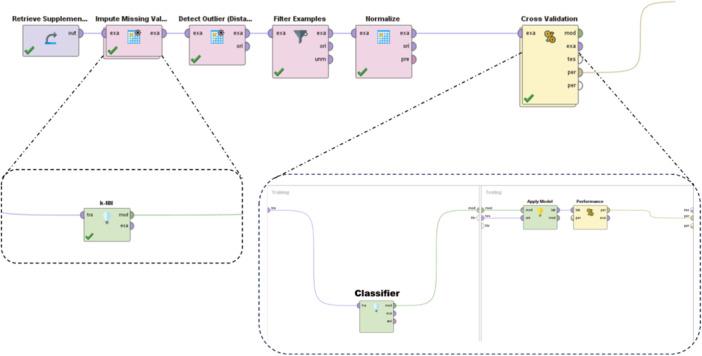
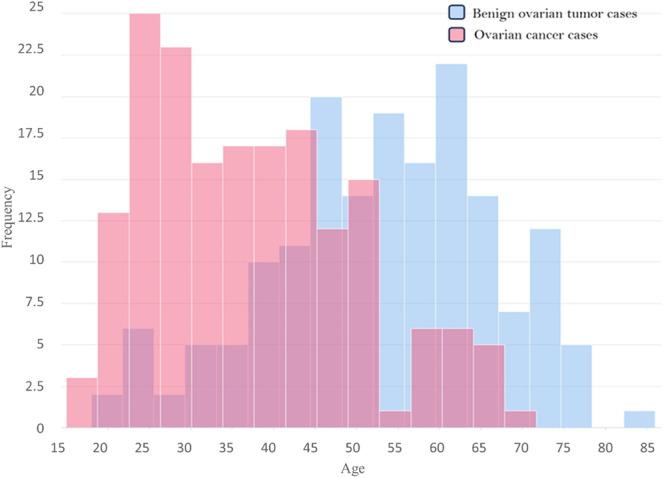
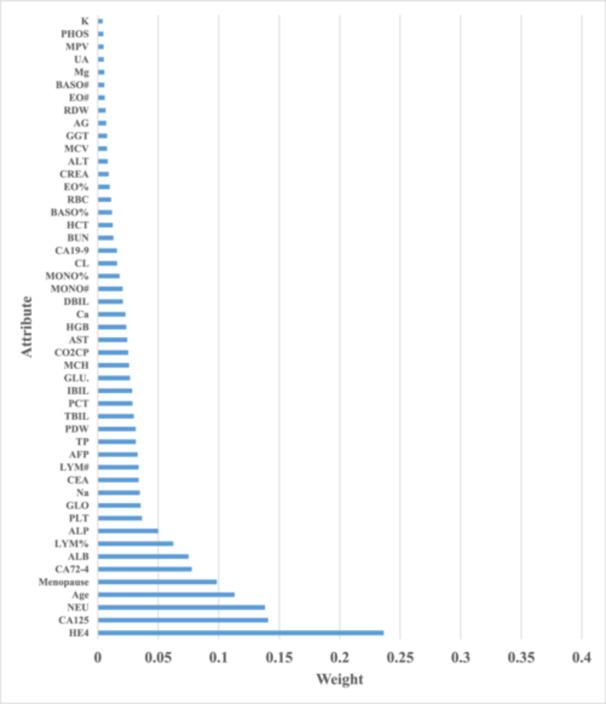
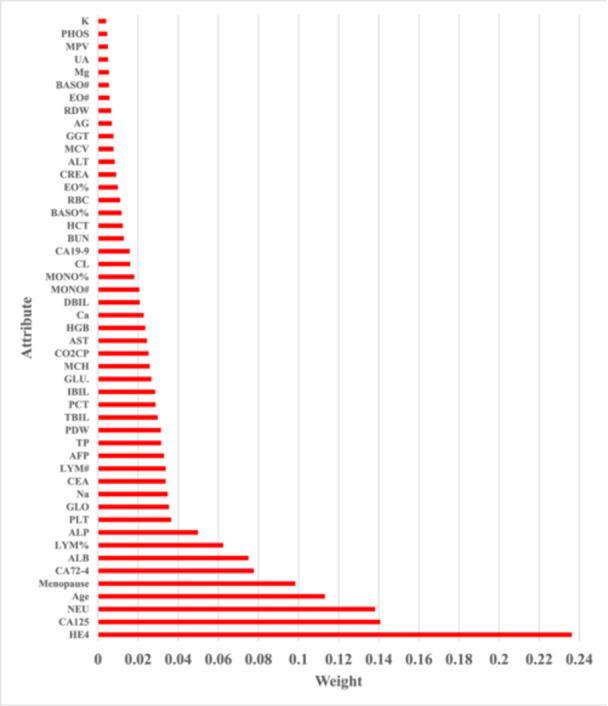
In this study, a data set included records related to 171 cases of benign ovarian tumors, and 178 records related to cases of ovarian cancer were analyzed. The data set contains the records of blood test results and tumor markers of the patients. After data preprocessing, including removing outliers and replacing missing values, the weight of the effective factors was determined using information gain indices and the Gini index. In the next step, predictive models were created using random forest (RF), support vector machine (SVM), decision trees (DT), and artificial neural network (ANN) models. The performance of these models was evaluated using the 10-fold cross-validation method using the indicators of specificity, sensitivity, accuracy, and the area under the receiver operating characteristic curve. Finally, by comparing the performance of the models, the best predictive model of ovarian cancer was selected.
RESULTS
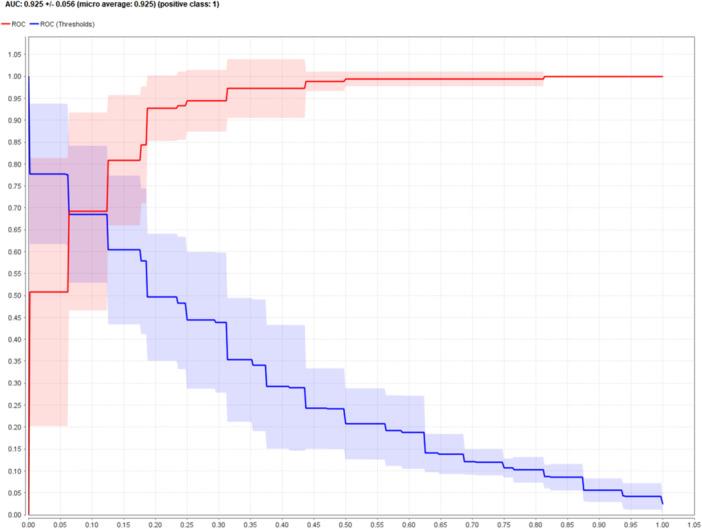
The most important predictive factors were HE4, CA125, and NEU. The RF model was identified as the best predictive model, with an accuracy of more than 86%. The predictive accuracy of DT, SVM, and ANN models was estimated as 82.91%, 85.25%, and 79.35%, respectively. Various artificial intelligence (AI) tools can be used with high accuracy and sensitivity in predicting ovarian cancer.
CONCLUSION
Therefore, the use of these tools can help specialists and patients with early, easier, and less expensive diagnosis of ovarian cancer. Future studies can leverage AI to integrate image data with serum biomarkers, thereby facilitating the creation of novel models and advancing the diagnosis and treatment of ovarian cancer.
目的
卵巢癌是一种常见的癌症类型,也是女性死亡的主要原因。因此,准确快速地预测卵巢肿瘤至关重要。基于人工智能方法构建模型是预测和诊断这种癌症的合适且精确的方法之一。这些方法为根据每个人的特征和情况预测卵巢癌提供了一种工具。
方法
在本研究中,分析了一个数据集,其中包括171例良性卵巢肿瘤病例的记录以及178例卵巢癌病例的记录。该数据集包含患者的血液检测结果和肿瘤标志物记录。在进行包括去除异常值和替换缺失值的数据预处理后,使用信息增益指数和基尼指数确定有效因素的权重。下一步,使用随机森林(RF)、支持向量机(SVM)、决策树(DT)和人工神经网络(ANN)模型创建预测模型。使用特异性、敏感性、准确性和受试者工作特征曲线下面积等指标,通过10折交叉验证方法评估这些模型的性能。最后,通过比较模型的性能,选择卵巢癌的最佳预测模型。
结果
最重要的预测因素是HE4、CA125和NEU。RF模型被确定为最佳预测模型,准确率超过86%。DT、SVM和ANN模型的预测准确率分别估计为82.91%、85.25%和79.35%。各种人工智能(AI)工具在预测卵巢癌方面可以具有高精度和高敏感性。
结论
因此,使用这些工具可以帮助专家和患者更早、更轻松且成本更低地诊断卵巢癌。未来的研究可以利用人工智能将图像数据与血清生物标志物整合,从而促进新型模型的创建并推动卵巢癌的诊断和治疗。
 Zotero 插件