
三维 HER2+ 乳腺癌模型的蛋白质组学特征揭示了线粒体复合物 I 在曲妥珠单抗获得性耐药中的作用。
Proteomic Characterization of a 3D HER2+ Breast Cancer Model Reveals the Role of Mitochondrial Complex I in Acquired Resistance to Trastuzumab.
机构信息
Universidad de Buenos Aires, Instituto de Oncología Ángel H. Roffo, Área de Investigación, 5481 San Martín Av., Ciudad Autónoma de Buenos Aires C1417DTB, Argentina.
Institute of Biomedical Technologies-National Research Council ITB-CNR, Via Fratelli Cervi 93, 20054 Segrate, Italy.
出版信息
Int J Mol Sci. 2024 Jul 5;25(13):7397. doi: 10.3390/ijms25137397.
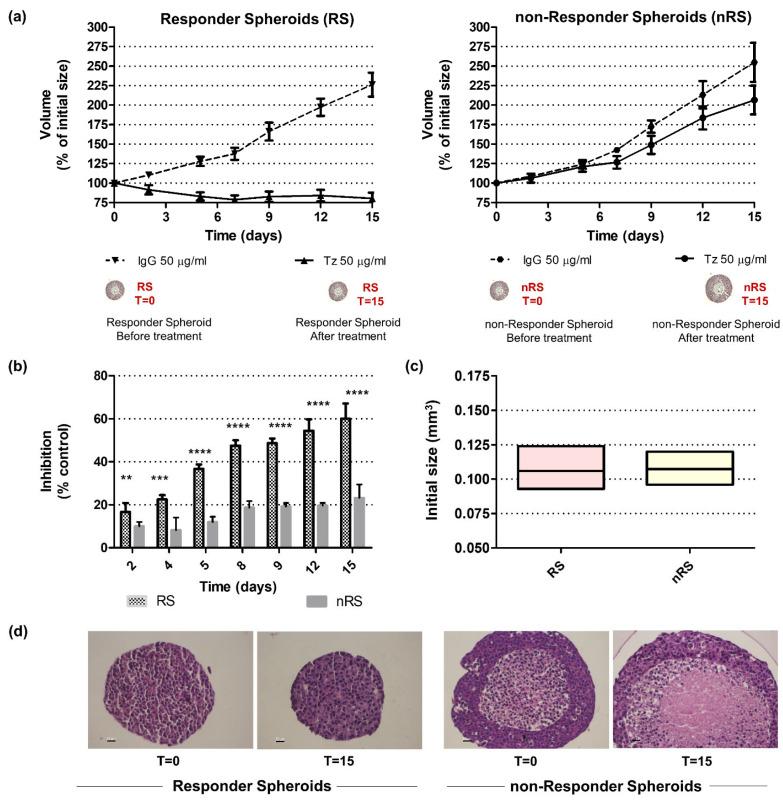
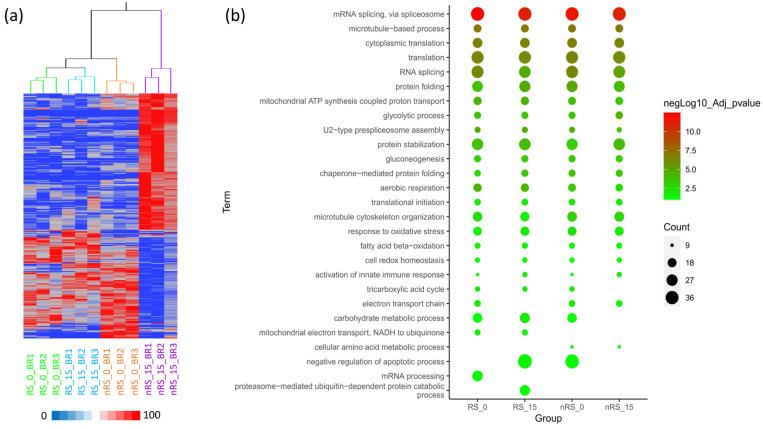
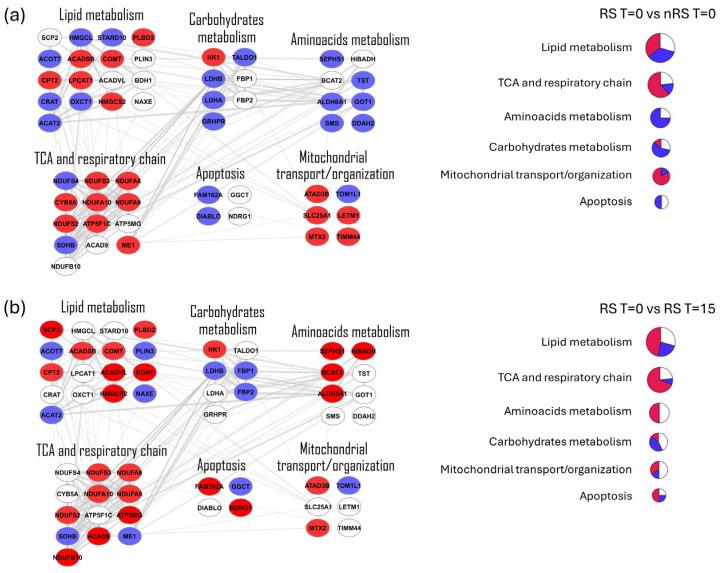
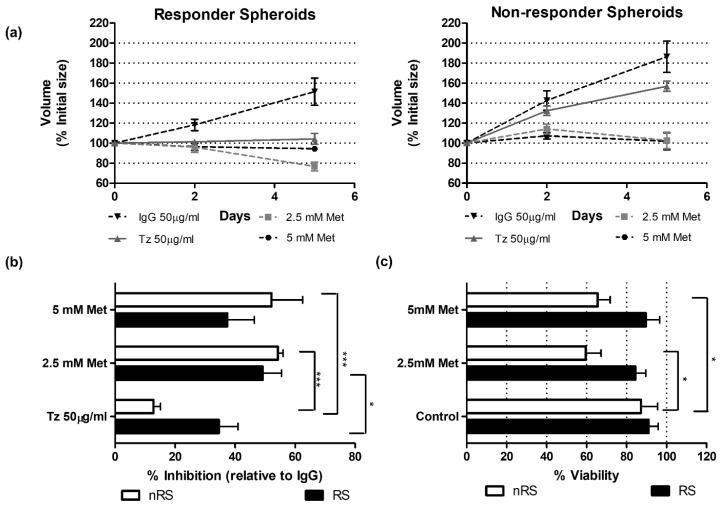
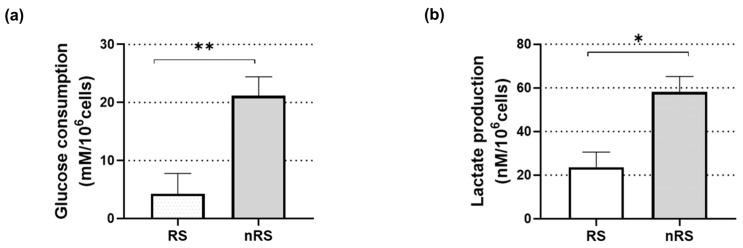
HER2-targeted therapies, such as Trastuzumab (Tz), have significantly improved the clinical outcomes for patients with HER2+ breast cancer (BC). However, treatment resistance remains a major obstacle. To elucidate functional and metabolic changes associated with acquired resistance, we characterized protein profiles of BC Tz-responder spheroids (RSs) and non-responder spheroids (nRSs) by a proteomic approach. Three-dimensional cultures were generated from the HER2+ human mammary adenocarcinoma cell line BT-474 and a derived resistant cell line. Before and after a 15-day Tz treatment, samples of each condition were collected and analyzed by liquid chromatography-mass spectrometry. The analysis of differentially expressed proteins exhibited the deregulation of energetic metabolism and mitochondrial pathways. A down-regulation of carbohydrate metabolism and up-regulation of mitochondria organization proteins, the tricarboxylic acid cycle, and oxidative phosphorylation, were observed in nRSs. Of note, Complex I-related proteins were increased in this condition and the inhibition by metformin highlighted that their activity is necessary for nRS survival. Furthermore, a correlation analysis showed that overexpression of Complex I proteins NDUFA10 and NDUFS2 was associated with high clinical risk and worse survival for HER2+ BC patients. In conclusion, the non-responder phenotype identified here provides a signature of proteins and related pathways that could lead to therapeutic biomarker investigation.
曲妥珠单抗(Tz)等 HER2 靶向治疗显著改善了 HER2+乳腺癌(BC)患者的临床结局。然而,治疗耐药仍然是一个主要障碍。为了阐明与获得性耐药相关的功能和代谢变化,我们采用蛋白质组学方法对 BC Tz 应答球体(RSs)和非应答球体(nRSs)的蛋白质谱进行了特征描述。三维培养物是从 HER2+人乳腺腺癌细胞系 BT-474 和衍生的耐药细胞系中生成的。在 15 天的 Tz 治疗前后,收集每个条件的样本并通过液相色谱-质谱法进行分析。差异表达蛋白的分析显示能量代谢和线粒体途径的失调。在 nRSs 中观察到碳水化合物代谢下调和线粒体组织蛋白、三羧酸循环和氧化磷酸化上调。值得注意的是,在这种情况下,与复合物 I 相关的蛋白增加,并且二甲双胍的抑制作用表明其活性对于 nRS 的存活是必要的。此外,相关性分析表明,复合物 I 蛋白 NDUFA10 和 NDUFS2 的过度表达与 HER2+BC 患者的高临床风险和较差生存相关。总之,这里鉴定的非应答表型提供了可能导致治疗生物标志物研究的蛋白质和相关途径的特征。

 Zotero 插件