
印度古吉拉特邦乌宾河沉积物中单子叶植物的植物修复潜力。
Phytoremediation potential of monocotyledonous plants in the sediments of the Uben River, Gujarat, India.
机构信息
Department of Life Sciences, Bhakta Kavi Narsinh Mehta University, Junagadh, Gujarat, India.
Gujarat Forestry Research Foundation, Gandhinagar, Gujarat, India.
出版信息
Sci Rep. 2024 Jul 23;14(1):16938. doi: 10.1038/s41598-024-65458-7.
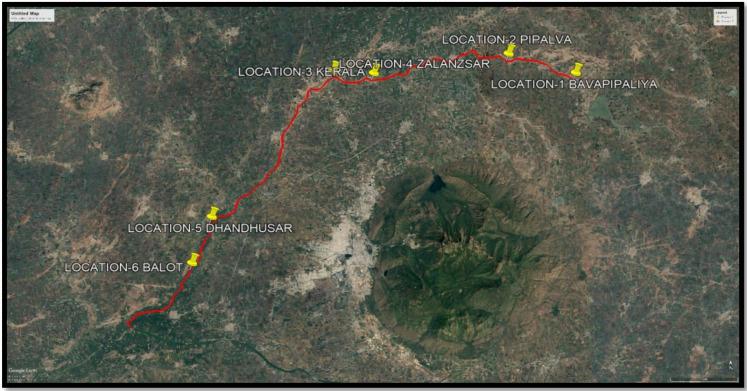
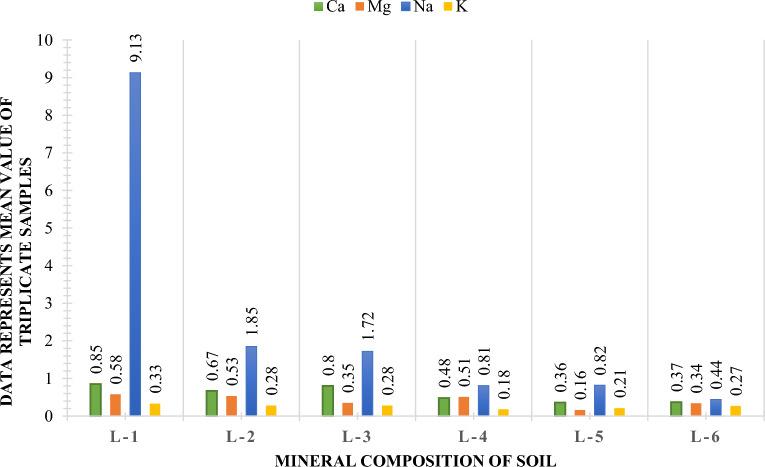
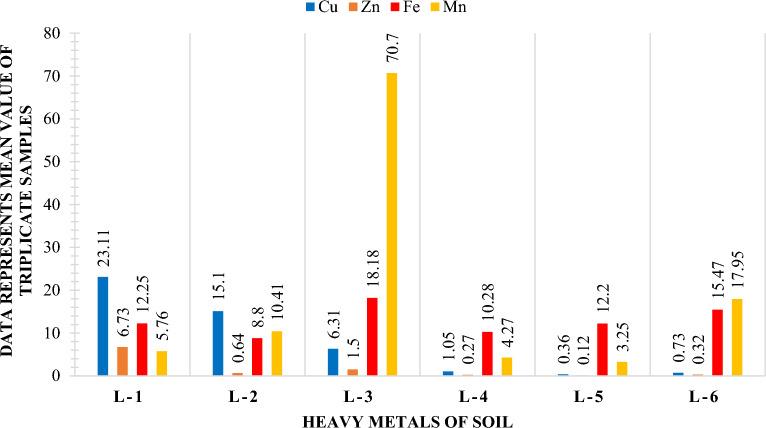
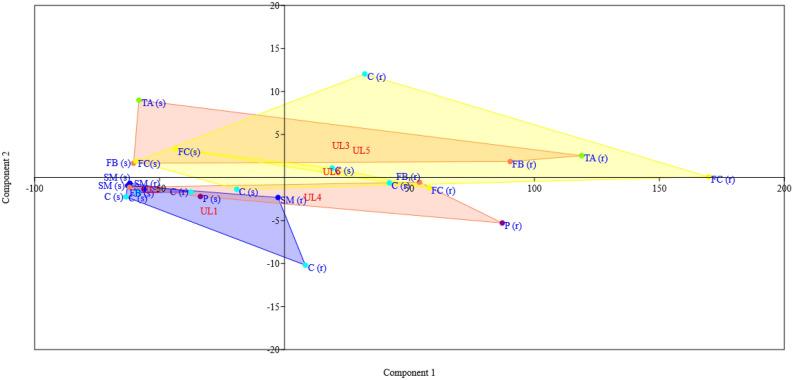
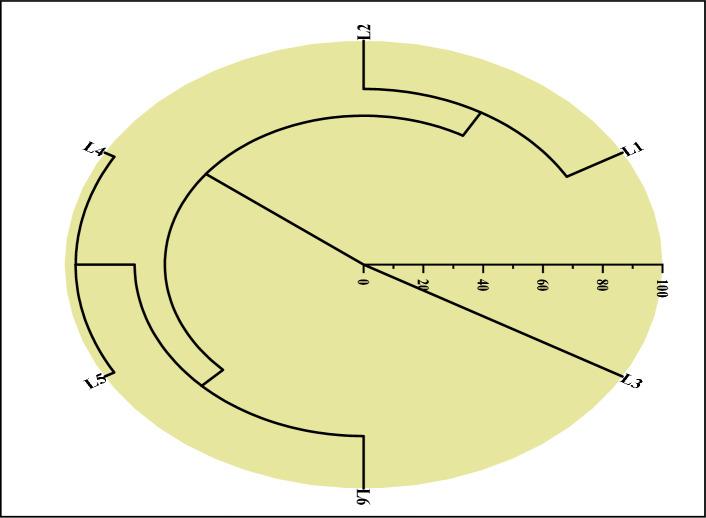
Phytoremediation is a basic eco-friendly technique that uses to treat contaminated water and soil. The plants that remediate the water and soil by their absorption process and improve the water and sediment fertility or decrease the contamination. Form this experiment our finding suggest that the contamination decrease in majority from starting point to end point, it means plants plays the most important role in clean-up the environment and its cost-efficient method to improve the quality of water and soil. This study was carried out on Uben River which is around 50kms long and we covered around 41.88kms of area which divided into six locations. in soil minerals (Ca, Mg, Na and K) from Up-stream to Down-stream the concentration of minerals is in decreasing order but in heavy metals (Cu, Zn, Fe and Mn) the concentration data is varying. We selected plants that grow around riverbanks belongs to family Cyperaceae, Poaceae, Typhaceae. Most of the plants accumulate high Fe concentrations in their root while in the shoots have low concentration observed from our data. For the statistical validation of data, we perform Grouped Component Analysis (GCA) and Radial Cluster Hierarchy (RCH) analysis. Further we included pollution indices: Contamination factor (CF), Degree of contamination (C), Geo accumulation index (I).
植物修复是一种基本的环保技术,用于处理受污染的水和土壤。植物通过吸收过程来修复水和土壤,并提高水和沉积物的肥力或减少污染。从这个实验中,我们的发现表明,污染从起点到终点大部分都在减少,这意味着植物在清洁环境方面起着最重要的作用,而且它是一种提高水和土壤质量的具有成本效益的方法。本研究在乌本河进行,该河流长约 50 公里,我们覆盖了约 41.88 公里的区域,分为六个地点。在土壤矿物质(Ca、Mg、Na 和 K)中,从上游到下游,矿物质的浓度呈递减趋势,但重金属(Cu、Zn、Fe 和 Mn)的浓度数据则有所不同。我们选择了生长在河岸附近的属于莎草科、禾本科、香蒲科的植物。大多数植物在根部积累了高浓度的 Fe,而在茎部观察到的浓度则较低,这是我们的数据所显示的。为了对数据进行统计验证,我们进行了分组成分分析(GCA)和径向聚类层次分析(RCH)。此外,我们还包括了污染指数:污染因子(CF)、污染程度(C)、地质累积指数(I)。

 Zotero 插件