
利用代谢组学对健康衰老、炎症衰老和衰弱的新见解。
New insights into healthy ageing, inflammageing and frailty using metabolomics.
作者信息
Abdullah Genna, Akpan Asangaedem, Phelan Marie M, Wright Helen L
机构信息
Institute of Life Course and Medical Sciences, University of Liverpool, Liverpool, United Kingdom.
Division of Internal Medicine, University of Western Australia, Bunbury, WA, Australia.
出版信息
Front Aging. 2024 Jul 9;5:1426436. doi: 10.3389/fragi.2024.1426436. eCollection 2024.
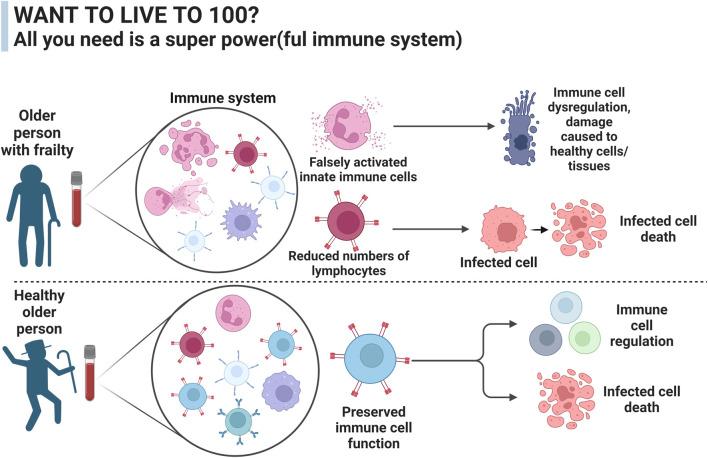
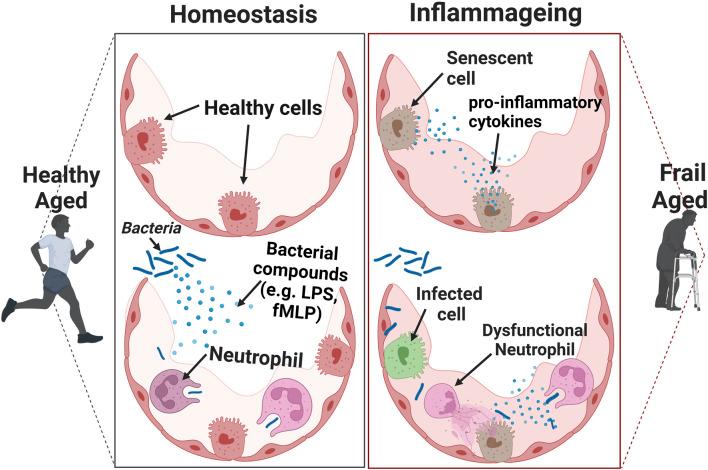
Human ageing is a normal process and does not necessarily result in the development of frailty. A mix of genetic, environmental, dietary, and lifestyle factors can have an impact on ageing, and whether an individual develops frailty. Frailty is defined as the loss of physiological reserve both at the physical and cellular levels, where systemic processes such as oxidative stress and inflammation contribute to physical decline. The newest "omics" technology and systems biology discipline, metabolomics, enables thorough characterisation of small-molecule metabolites in biological systems at a particular time and condition. In a biological system, metabolites-cellular intermediate products of metabolic reactions-reflect the system's final response to genomic, transcriptomic, proteomic, epigenetic, or environmental alterations. As a relatively newer technique to characterise metabolites and biomarkers in ageing and illness, metabolomics has gained popularity and has a wide range of applications. We will give a comprehensive summary of what is currently known about metabolomics in studies of ageing, with a focus on biomarkers for frailty. Metabolites related to amino acids, lipids, carbohydrates, and redox metabolism may function as biomarkers of ageing and/or frailty development, based on data obtained from human studies. However, there is a complexity that underpins biological ageing, due to both genetic and environmental factors that play a role in orchestrating the ageing process. Therefore, there is a critical need to identify pathways that contribute to functional decline in people with frailty.
人类衰老属于正常过程,并不一定会导致身体虚弱。基因、环境、饮食及生活方式等多种因素会对衰老以及个体是否会出现身体虚弱产生影响。身体虚弱被定义为在身体和细胞层面生理储备的丧失,诸如氧化应激和炎症等全身过程会导致身体机能下降。最新的“组学”技术和系统生物学学科——代谢组学,能够在特定时间和条件下全面表征生物系统中的小分子代谢物。在生物系统中,代谢物(代谢反应的细胞中间产物)反映了系统对基因组、转录组、蛋白质组、表观遗传学或环境改变的最终反应。作为一种用于表征衰老和疾病中代谢物及生物标志物的相对较新的技术,代谢组学已受到广泛关注并具有广泛应用。我们将全面总结目前关于代谢组学在衰老研究中的已知情况,重点关注身体虚弱的生物标志物。根据人体研究获得的数据,与氨基酸、脂质、碳水化合物和氧化还原代谢相关的代谢物可能充当衰老和/或身体虚弱发展的生物标志物。然而,由于遗传和环境因素在协调衰老过程中发挥作用,生物衰老存在复杂性。因此,迫切需要确定导致身体虚弱人群功能衰退的途径。

 Zotero 插件